Leave Your Message

What Are Stuffed Soft Toys A Global Buyers Guide?

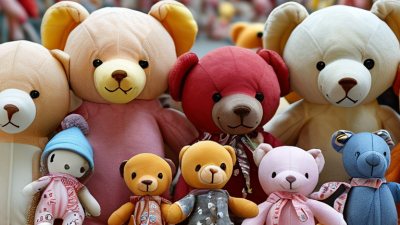
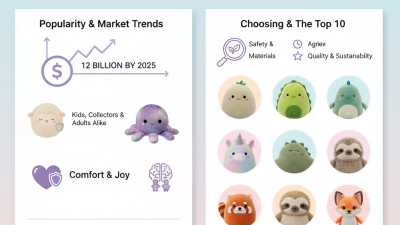
Stuffed Soft Toys remain familiar products, yet global buying decisions are becoming more demanding. A plush bear may look simple, but its fabric, filling, stitching, dye, packaging, and age label require careful evaluation. Grand View Research estimated the global stuffed and plush toys market at approximately USD 9.1 billion in 2023, with continued growth expected through the decade. Circana also reported that global toy sales faced pressure in 2023, reminding buyers that demand alone does not guarantee safe, profitable products.

The Toy Association’s president and CEO, Greg Ahearn, has said, “Play is essential to childhood.” That principle matters when choosing Stuffed Soft Toys for children, gift shops, retailers, or private-label programs. A successful product should feel soft, hold its shape, and survive repeated washing. Small parts must remain secure. Seams should resist pulling. Materials need traceable documentation and appropriate safety testing for each destination market.

This guide examines supplier selection, minimum order quantities, product customization, testing records, packaging, logistics, and responsible sourcing. It also considers common buyer mistakes, including trusting photographs too quickly or comparing prices without checking specifications. That gap matters.

Market reports do not use identical definitions, and their forecasts can differ. Buyers should treat them as direction, not certainty. Real purchasing decisions still depend on sampling, factory audits, lead times, exchange rates, and customer expectations. A charming prototype can fail after ten days of handling. Careful verification remains less exciting, but far more valuable.

What Are Stuffed Soft Toys A Global Buyers Guide?

What Are Stuffed Soft Toys? Definitions, Materials, and Product Types

What Are Stuffed Soft Toys? Definitions, Materials, and Product Types

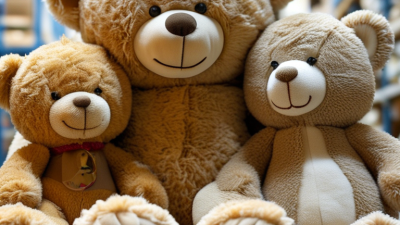
Stuffed soft toys are textile products filled with soft materials, usually made for comfort, play, or decoration. Their outer fabric may include polyester plush, cotton, fleece, or recycled fibers. Polyester filling is common because it is lightweight, resilient, and easy to shape. Cotton feels natural, but it may compress sooner. Material choice affects softness, durability, washing performance, and production cost.

Product types vary widely.

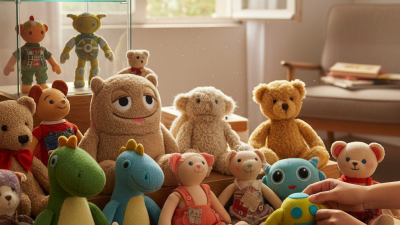
Classic plush animals suit nursery shelves and gift shops. Dolls, fantasy figures, and character-shaped toys often need detailed stitching and secure facial features. Smaller options include plush keychains, finger puppets, and travel cushions. Some products look like toys but function mainly as pillows or decorations. That difference matters when buyers confirm age guidance, labeling, testing, and packaging for each target market.

Practical inspections should check seams, loose threads, filling leakage, odor, colorfastness, and attachment strength.

Tiny details matter.

Tips:

Ask for a complete material specification before sampling. Request fabric weight, filling type, dimensions, and wash instructions. Check several samples, not just one. A sample may hide uneven stuffing or weak seams. Also consider real use: a pale plush toy shows dirt quickly, while long fur can be difficult to clean. Recycled materials can support sustainability goals, but buyers should verify composition and supplier documentation. I sometimes find that the softest sample is not the most practical choice. Comfort and durability must be judged together.

How Are Plush Toys Made? Fabrics, Fillings, Stitching, and Quality Checks

What Are Stuffed Soft Toys? A Global Buyers Guide

How Are Plush Toys Made? Fabrics, Fillings, Stitching, and Quality Checks

A reliable plush toy begins with fabric selection. Polyester fleece feels smooth, while cotton blends offer a firmer surface. The filling usually uses polyester fiber, recycled fiber, or foam pieces. Each option changes softness, weight, recovery, and washing performance. According to Grand View Research’s 2024 market report, the global stuffed and plush toys market was valued at more than US$7 billion in 2023. That growth increases pressure on suppliers to prove consistent quality, not only attractive design.

During sampling, inspect the fabric under bright light. Loose fibers, uneven dye, or thin patches often appear before production. Stitch density matters around ears, limbs, and embroidered faces. A secure seam should resist gentle pulling without opening. Factories commonly use metal detection, filling-weight checks, seam-strength tests, and wash trials. ISO 8124, EN 71, and ASTM F963 provide widely used safety frameworks, but passing paperwork does not replace physical inspection. No checklist catches every weak seam. Small production differences can still escape attention.

Tips: Request a pre-production sample and compare it with the approved specification. Measure the toy, weigh its filling, and inspect ten random pieces from the final batch. Keep photos of stitching, labels, and packaging. Ask for test reports from an accredited laboratory, and verify their dates. Recycled filling can support sustainability goals, yet its softness may vary between lots. This is easy to overlook.

What Are Stuffed Soft Toys? A Global Buyer’s Guide

Plush toys are commonly made from a soft outer fabric, polyester fiberfill, strong stitched seams, and embroidered or securely attached details. The chart compares representative densities of fibers frequently used in plush fabrics and fillings.

How plush toys are made: Fabric panels are cut from patterns, embroidered details are added, and the panels are stitched with reinforced seams. The toy is then turned right-side out, filled with polyester fiberfill, closed, and inspected for seam strength, loose threads, filling consistency, and securely attached components.

Representative fiber density values: polyester 1.38 g/cm³, cotton 1.54 g/cm³, acrylic 1.17 g/cm³, and nylon 1.14 g/cm³. Actual fabric and filling specifications vary by construction and supplier.

Which Safety Standards Apply? ASTM F963-23, EN 71, ISO 8124, and CPSIA

Stuffed soft toys need more than a pleasant fabric and neat stitching. A global buyer should check the toy’s intended age, materials, fillings, dyes, and attached features. Seams deserve attention. Loose fibers, accessible stuffing, detachable eyes, and weak fasteners can create safety concerns during ordinary play. Practical inspection should include pulling, twisting, washing, and repeated handling.

For the United States, ASTM F963-23 sets detailed toy safety requirements, including physical properties, flammability, surface coatings, and chemical limits. CPSIA creates the wider compliance framework. It can require third-party testing, certification, tracking information, and limits on substances such as lead and certain phthalates. ASTM F963-23 is not a replacement for every CPSIA obligation. Buyers should request current test reports and the applicable certificate.

In the European market, EN 71 commonly covers mechanical and physical safety, flammability, and chemical migration. Age warnings and documentation also matter. ISO 8124 offers an international series of toy safety standards, but it does not automatically replace local law. Requirements may differ by destination and product design. A toy with a sound module, long ribbon, or embroidered detail may need additional assessment. Test reports can lose relevance when suppliers change fabric, thread, filling, or production sites. That is easy to miss. No checklist is perfect, and buyers should review assumptions before placing a large order. Clear records, batch samples, and traceable material declarations make that review more reliable.

What Are Stuffed Soft Toys? A Global Buyers Guide — Which Safety Standards Apply? ASTM F963-23, EN 71, ISO 8124, and CPSIA
Buyer Checkpoint ASTM F963-23 EN 71 ISO 8124 CPSIA
Primary role U.S. toy safety standard.
ASTM F963-23 contains mandatory toy safety requirements incorporated into U.S. federal law through the Consumer Product Safety Act.
European toy-safety standard series.
EN 71 supports conformity assessment under the EU Toy Safety Directive, but the applicable legal obligations also come from EU legislation and national implementation.
International toy-safety standard series.
ISO 8124 provides internationally recognized technical requirements and test methods; it is not automatically law in every country.
U.S. consumer-product law.
CPSIA establishes legal requirements for children’s products, including testing, certification, lead, phthalates, tracking labels, and reporting.
Typical product coverage Children’s toys intended primarily for children aged 12 years and under, including many plush and stuffed toys. Toys designed or clearly intended for play by children under 14 years, including plush toys and soft-filled toys. Toys intended for children under 14 years; the relevant parts depend on the product, materials, and market. Children’s products primarily designed or intended for children 12 years old or younger. A stuffed toy normally falls within this category when marketed for children.
Mechanical and physical safety Addresses accessible small parts, seams, pull strength, sharp points and edges, projections, cords, loops, openings, stability, and other foreseeable-use hazards. EN 71-1 covers mechanical and physical properties, including small parts, accessibility, tensile and torque tests, seams, cords, and projections. ISO 8124-1 covers mechanical and physical properties, including small parts, accessible components, sharp points, sharp edges, seams, cords, and foreseeable misuse. CPSIA makes applicable toy requirements mandatory in the United States, including the incorporated ASTM F963 mechanical and physical provisions. General product-hazard and recall duties may also apply.
Plush eyes, noses, buttons, and trims Accessible attached components must withstand applicable tension, torque, and abuse tests. Detachable components that create a small-parts hazard are especially important for products for younger children. Requires assessment of attachment security, accessibility, small parts, and physical hazards under EN 71-1. Requires assessment of attachment security, accessibility, small parts, and physical hazards under ISO 8124-1. Products sold in the U.S. must meet applicable ASTM F963 requirements and be supported by the required children’s product certification.
Flammability Contains requirements and test methods for toy materials, including applicable textile, surface, and soft-filled construction hazards. EN 71-2 addresses flammability, including certain toy materials and toys worn or used close to the face or body. Soft toy construction and surface materials must be evaluated against the applicable categories. ISO 8124-2 addresses flammability of specified toy materials and products. The applicable test depends on the toy type and construction. U.S. flammability rules may apply in addition to ASTM F963. Textile components can also be subject to applicable U.S. flammability requirements administered by the relevant authorities.
Chemical safety Includes requirements for certain hazardous substances and specified toy materials, including migration or extractable-element testing where applicable. EN 71-3 addresses migration of certain elements from accessible toy materials. Other chemical restrictions may arise from the Toy Safety Directive, REACH, and national rules. ISO 8124-3 addresses migration of certain elements. ISO 8124-6 may be relevant to certain phthalate esters, while local law determines legal enforceability. CPSIA limits lead in accessible components to 100 ppm and restricts specified phthalates in covered children’s products and toys to 0.1% for each regulated phthalate. Additional federal or state chemical rules may apply.
Textiles, dyes, and stuffing Evaluate accessible fabric, prints, coatings, filling materials, and treated components under the applicable physical, flammability, and chemical provisions. Assess outer fabric, filling, coatings, prints, and other accessible materials under EN 71-1, EN 71-2, and EN 71-3 as applicable. Assess outer fabric, filling, coatings, prints, and other accessible materials under the relevant ISO 8124 parts and the destination country’s chemical regulations. Accessible materials must comply with applicable lead, phthalate, toy, and flammability requirements. Component testing may be needed when materials differ in composition or finish.
Age grading Age grading affects the applicable small-parts, abuse, labeling, and use requirements. The age recommendation should reflect intended use and reasonably foreseeable use. Age grading is important for conformity assessment, warnings, and the application of small-parts requirements. Age grading affects the applicable tests and risk assessment. The manufacturer or responsible economic operator must establish a defensible intended age range. Age determination affects whether the product is a children’s product and which requirements, testing, and certification obligations apply.
Warnings and instructions Warnings must be provided where required by the applicable toy provisions and must be clear, visible, and consistent with the product’s hazards and age grading. Warnings and instructions must comply with the applicable EN 71 requirements and the EU Toy Safety Directive. Certain warnings must appear in the language required by the destination country. Warning requirements depend on the adopting country and applicable ISO 8124 provisions. Local language and consumer-information rules must also be checked. Required warnings must meet U.S. federal rules. Products with small parts require the applicable small-parts warning, and state-specific rules such as California Proposition 65 may also need review.
Conformity evidence Use test reports from a competent laboratory and maintain technical documentation demonstrating compliance with the applicable requirements. Prepare technical documentation and complete the applicable conformity assessment. CE marking is required for compliant toys placed on the EU market. Use ISO 8124 test reports as technical evidence, while confirming whether the destination country has adopted ISO 8124 or imposes additional mandatory requirements. A domestic manufacturer or importer generally must issue a Children’s Product Certificate based on testing by a CPSC-accepted third-party laboratory, when required.
Traceability and records Maintain product specifications, test records, production controls, and relevant compliance documentation for the required retention period. Maintain technical documentation, identification information, and traceability records. The responsible economic operator and importer information must be available as required. Recordkeeping expectations depend on the country applying the standard and its product-safety legislation. Children’s products generally require permanent distinguishing marks or tracking information on the product and packaging when practicable, along with required testing and certification records.
Best use for a global buyer Use for products entering the United States, together with CPSIA, applicable CPSC rules, and any additional federal or state requirements. Use the relevant EN 71 parts for products entering the European market, together with the Toy Safety Directive, REACH, labeling, and conformity obligations. Use as an international technical reference or where specifically required by the destination market; do not assume ISO compliance alone satisfies local law. Use as the U.S. legal compliance framework covering testing, certification, chemical limits, tracking, and enforcement obligations.
Recommended buyer file Final product specification, bill of materials, age grade, seam and attachment test results, flammability results, chemical test results, artwork, warnings, and production-control records. Technical file, risk assessment, EN 71 test reports, chemical compliance evidence, labeling artwork, declaration of conformity, and CE-marking records. Bill of materials, ISO 8124 test reports, risk assessment, age-grade rationale, warnings, and evidence that the destination country accepts the selected ISO provisions. Bill of materials, CPSC-accepted laboratory reports, Children’s Product Certificate, tracking-label details, warning artwork, supplier declarations, and applicable flammability or chemical records.
Important buying note: No single standard automatically provides worldwide compliance. A stuffed soft toy should be assessed by destination market, intended age, construction, accessible materials, filling, trims, surface treatments, packaging, and foreseeable use. Requirements and adopted editions can change, so the final compliance review should use the current law and standard edition applicable to the sales market.
Scope note: This comparison is a practical purchasing guide, not a substitute for a market-specific conformity assessment or legal review.

What Drives Global Demand? Market Segments, Retail Channels, and Buyer Trends

Global demand for stuffed soft toys is shaped by age, occasion, price, and culture. Parents often seek washable toys with embroidered features and soft, durable fabric. Collectors prefer limited designs, unusual textures, and carefully finished details. Gift buyers usually choose animals, fantasy figures, or seasonal characters. These segments overlap, but their buying reasons differ.

Retail channels strongly influence product selection. Supermarkets favor compact packaging, clear age guidance, and accessible prices. Specialty toy stores can present larger designs and explain material quality. Online marketplaces depend on bright product images, accurate dimensions, and customer reviews. Social commerce adds speed and emotion, especially when short videos show a toy’s softness or movement. In my purchasing experience, a 30-centimeter toy may look generous online but feel small at home.

Buyer trends are also becoming more practical. Many customers ask about recycled filling, washable covers, stitching strength, and responsible production records. Safety documentation matters, but buyers may not understand technical terms. Clear explanations build more trust than vague claims. Demand rises around birthdays, holidays, newborn gifts, and local festivals, yet it can change quickly. Forecasts are useful, not perfect. A popular color can fade within weeks, while a quiet animal design may sell steadily for months. Global buyers should compare regional preferences, return rates, packaging damage, and repeat orders before expanding a product line.

How Do Buyers Source Them? MOQ, AQL Inspection, Testing, and Supplier Audits

What Are Stuffed Soft Toys? A Global Buyer’s Guide

Sourcing stuffed soft toys begins with a clear product brief. Specify size, filling, fabric, stitching, colors, packaging, and intended age group. MOQ depends on material availability, mold work, embroidery, and production capacity. A low MOQ may increase unit cost. A high MOQ can trap cash in slow-moving inventory. Request tiered quotations at several quantities.

Before placing an order, agree on an AQL inspection plan. Define acceptable limits for critical, major, and minor defects. Inspectors should check seams, loose threads, stuffing coverage, embroidery, labels, measurements, and carton condition. Sampling cannot replace judgment. A toy may pass measurements but still feel poorly finished in a child’s hands.

Testing should match the destination market and product design. Consider mechanical strength, flammability, chemical migration, colorfastness, and small-part risks where relevant. Use an independent laboratory when practical, and keep test reports linked to the exact production material. Supplier audits add another layer of confidence. Review factory cleanliness, worker training, incoming-material controls, calibration records, and corrective actions. Ask for evidence, not promises. Video calls help, but an on-site audit reveals details cameras miss. I have seen attractive samples hide weak seam tension during bulk production. That is why a sealed sample, pre-shipment inspection, and documented approval process matter. Even careful sourcing has gaps. Recheck assumptions when the fabric, filling, factory, or packaging changes.