China Top Large Plush Toys for Kids What Makes Them So Popular?
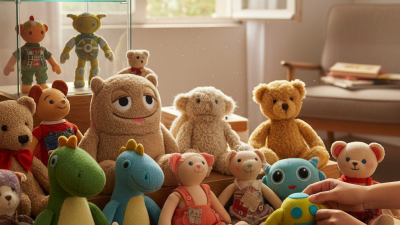
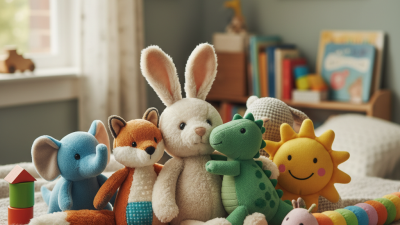
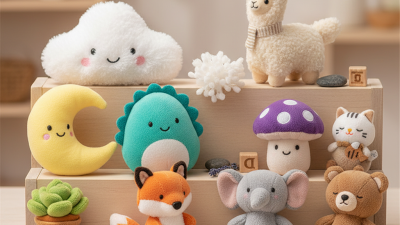
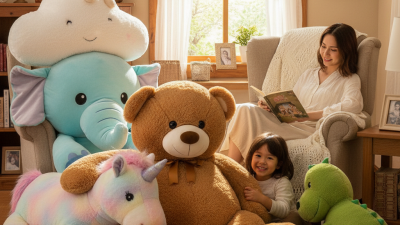
Large Plush Toys have become a staple in children's lives across China. Their soft, huggable nature appeals to kids, evoking feelings of comfort and security. These toys come in various shapes and sizes, from adorable animals to fantastical creatures, capturing the imaginations of young minds. Parents often appreciate their durability and safety, adding to their popularity.
Yet, the world of Large Plush Toys isn't flawless. Some toys, while cute, may have design flaws. Others might not withstand the rough play of energetic kids. This imperfection serves as a reminder for manufacturers to prioritize quality and safety. Despite these issues, the joy that Large Plush Toys bring to children remains undeniable. Their cuddly forms and vibrant colors foster emotional connections, transforming simple playtime into a cherished experience. In a fast-paced world, these toys provide a comforting escape, highlighting why they hold such a special place in the hearts of both kids and parents alike.
China's Growing Market for Plush Toys: Industry Trends and Statistics
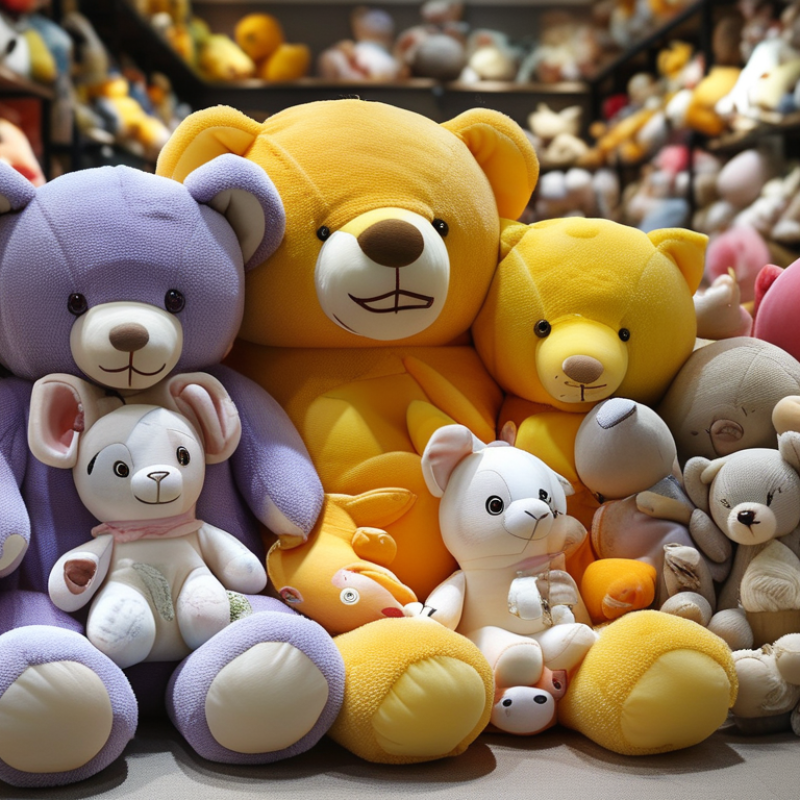
The plush toy industry in China is experiencing remarkable growth. Recent statistics indicate a market size of approximately 17 billion USD in 2022. This figure is projected to reach 25 billion USD by 2025, reflecting a compound annual growth rate of 15%. A rising middle class is driving demand. Parents are prioritizing quality and safety in children's toys.
The popularity of plush toys can be attributed to several trends. Eco-friendly materials are increasingly used, aligning with consumer preferences for sustainable products. Plush toys are not only appealing but also serve educational purposes. Many designs incorporate animals and characters that engage children's imaginations. Additionally, online sales channels have simplified purchasing for busy parents.
Yet, challenges persist in the market. Competition is intense, leading to price wars that may affect product quality. Some manufacturers may overlook safety regulations in pursuit of profits. This raises concerns among consumers about reliability. Navigating these issues is crucial as the market grows. The industry's evolution will depend on how well companies address these challenges while maintaining consumer trust.
Key Features That Make Plush Toys Appealing to Children and Parents
Plush toys have a unique charm that attracts both children and their parents. A survey conducted by the Toy Association revealed that over 70% of parents believe plush toys provide emotional comfort to their children. They are not just soft and cuddly; they represent security and companionship, essential in early childhood development. The tactile experience of hugging a plush toy promotes feelings of safety and warmth, which children naturally seek.
Many plush toys are designed with vibrant colors and various characters. This visual appeal plays a significant role in captivating children's attention. In fact, a report published by Market Research Future notes that the plush toy market is projected to grow at a CAGR of 6.5% through 2027. This growth reflects the enduring popularity of these toys among kids. Moreover, plush toys often come with educational elements, prompting play that aids in cognitive development.
Parents appreciate the durability and safety of high-quality plush toys. Many are made from non-toxic materials, which assures parents of their child's safety. However, not all plush toys meet these standards. Some may contain harmful substances or lack proper labeling. It’s essential for parents to do thorough research before purchasing. Balancing fun with safety remains a continual challenge in this market.
China Top Large Plush Toys for Kids - Key Features That Make Plush Toys Appealing
| Toy Type |
Size |
Material |
Age Range |
Key Features |
| Bear |
24 inches |
Cotton |
3+ |
Soft, cuddly, machine washable |
| Dinosaur |
30 inches |
Polyester |
4+ |
Colorful, detailed design, promotes imaginative play |
| Unicorn |
18 inches |
Velvet |
2+ |
Sparkly features, promotes creativity |
| Shark |
36 inches |
Microfiber |
5+ |
Realistic design, educational about marine life |
| Elephant |
20 inches |
Plush |
3+ |
Soft ears, comforting for sleep |
The Role of Safety Standards in Boosting Plush Toy Popularity in China
Plush toys are beloved by children in China, but safety plays a critical role in their popularity. According to a recent industry report, nearly 80% of parents prioritize safety when choosing toys for their kids. This drives manufacturers to adhere to strict safety standards. Compliance with these standards ensures that toys are free from harmful materials, making them safer for children.
Moreover, the implementation of safety regulations improves consumer trust. Research indicates that brands meeting safety compliance see a 50% increase in sales compared to those that do not. The certification processes involve rigorous testing against choking hazards and toxic substances. This diligence reassures parents about their children's playtime.
Despite these advancements, some challenges remain. Not all manufacturers consistently meet these standards. Reports reveal that up to 20% of toys sold online may not adhere to regulations. This gap raises concerns about product safety and necessitates ongoing vigilance. Continuous education and awareness about safety standards are essential for parents and manufacturers alike. They need to reflect on how to maintain these standards and ensure the well-being of future generations.
Examining Consumer Preferences: Size, Design, and Functionality of Plush Toys
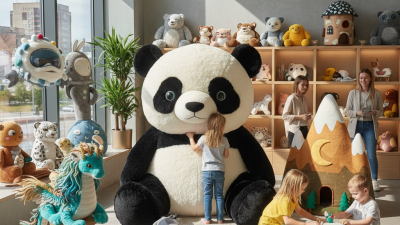
In the world of plush toys, size matters. Larger plush toys provide a feeling of comfort and security for children. These toys often serve as companions during playtime and naptime. The appeal of a large, huggable teddy bear or a gigantic unicorn can't be overstated. Children enjoy dragging them around, hugging them tightly, and finding solace in their softness. The size factor also enhances the toy’s role in imaginative play, creating new adventures.
Design plays a crucial role in consumer preferences. Colors, shapes, and characters influence children's choices. Bright colors attract attention, while whimsical designs spark imagination. Kids are drawn to familiar characters from shows or films. They feel a connection, often enhancing their emotional bond with the toy. However, not all designs are perfect. Some plush toys become too generic, failing to inspire. Originality can be a double-edged sword; it makes or breaks a toy's appeal.
Functionality is another vital aspect. Plush toys that serve dual purposes, such as pillows or blankets, are especially popular. They cater to a child's needs beyond just play. Yet, not every multifunctional design works seamlessly. For example, some toys might be cumbersome or lack durability in their secondary function. Balancing these features is key, but it can be challenging for manufacturers. Understanding consumer preferences involves ongoing reflection and adaptation based on what children truly value.
Impact of Social Media and Influencers on Plush Toy Trends Among Kids
In recent years, the plush toy industry has experienced a significant shift, largely fueled by social media and influencers. According to a report by NPD Group, plush toy sales increased by 20% in 2022, with digital platforms playing a crucial role in this growth. Children today are heavily influenced by what they see online. TikTok and Instagram showcase adorable plush characters that quickly become coveted items among young audiences. The visuals presented on these platforms often spark immediate interest and engagement.
Influencers, with their vast reach, create a sense of urgency around these toys. A study by Statista reveals that over 73% of parents believe social media pressure affects their children's toy preferences. Kids see popular personalities sharing their love for specific plush toys, and they desire the same. This phenomenon blurs the lines between simple playthings and status symbols. However, it raises questions about consumerism and children's well-being when play becomes tied to online trends.
Moreover, social media trends can sometimes lead to fleeting popularity. Not all toys have lasting appeal, and some may be forgotten weeks after their peak. This transience in toy popularity reflects an ongoing challenge for both parents and manufacturers. Striking a balance between what children enjoy and what they truly need is more complicated than ever.