Why Are Plush Toys So Popular Among All Age Groups?
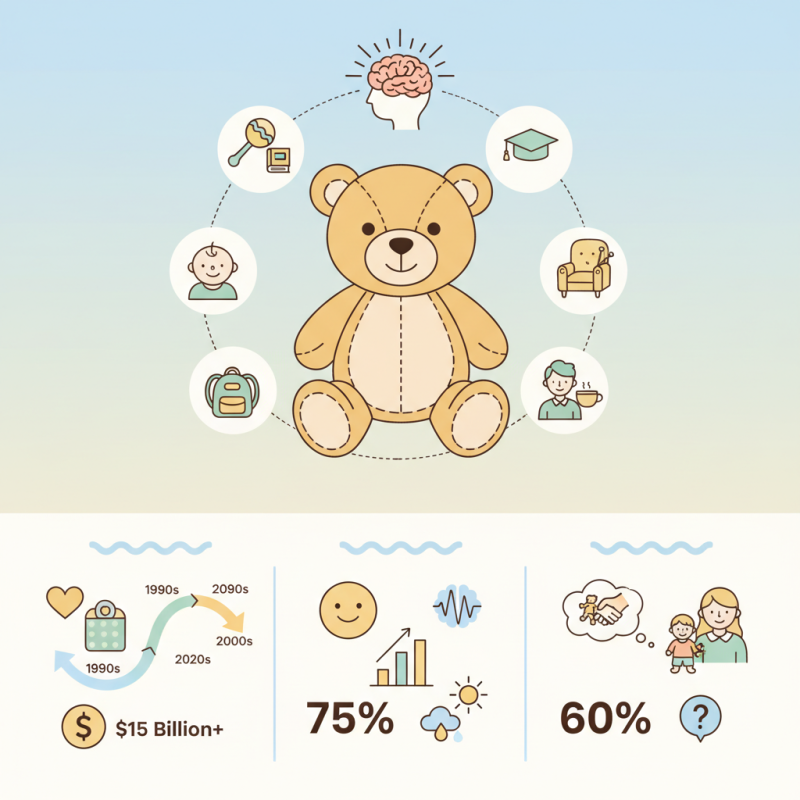
The popularity of plush toys spans across all age groups, making them a staple in both children's and adults' lives. A 2022 report from the Toy Association indicates that the plush toy market was valued at over $15 billion. This thriving industry shows how deeply embedded plush toys are in our culture.
Plush toys evoke nostalgia and comfort. They offer emotional support, creating a sense of security. Research from the Journal of Consumer Psychology in 2023 revealed that 75% of adults who own plush toys report feelings of happiness and reduced stress. However, the reasons behind this attachment are complex and deserve further exploration.
In our fast-paced world, plush toys provide a simple yet profound connection to our childhood. A survey showed that 60% of participants viewed plush toys as more meaningful than other toys. Still, the implications of this attachment raise questions about emotional reliance. Understanding why plush toys resonate can offer insights into consumer behavior and emotional well-being.
The Emotional Comfort of Plush Toys Across Different Age Groups
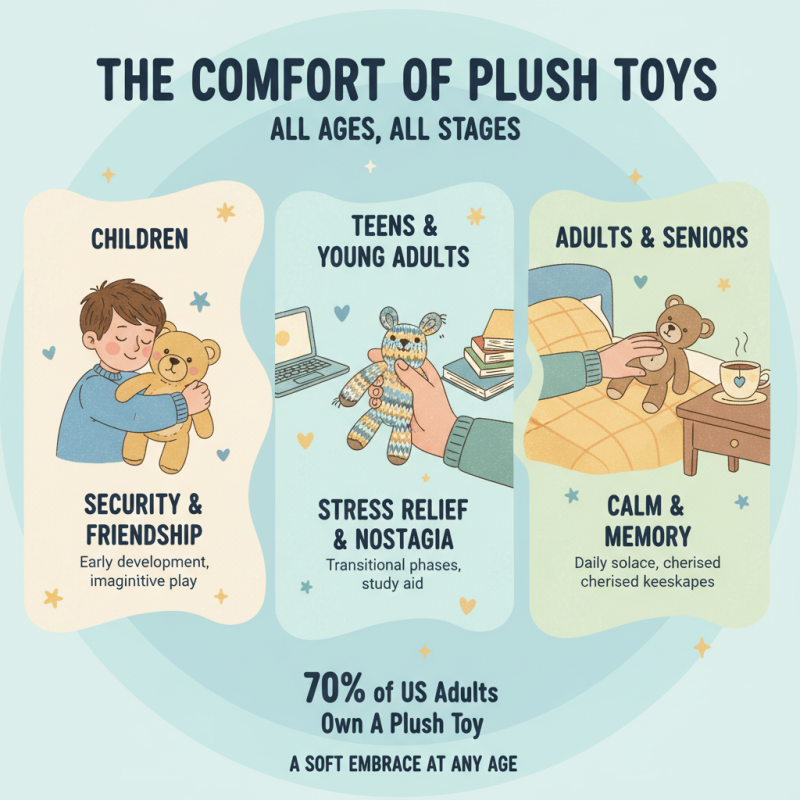
Plush toys offer emotional comfort that resonates with people of all ages. Studies indicate that around 70% of adults in the U.S. own some form of plush toy. For many, these soft companions evoke feelings of nostalgia and safety, often transporting them back to simpler times. This emotional connection is not limited to children; adults often find solace in the tactile softness of plush toys, especially during stressful moments.
The appeal of plush toys spans across demographics. According to a report from the Association of American Toy Manufacturers, more than 60% of parents believe that plush toys help with emotional growth in children. They serve as not just toys, but also as tools for emotional expression and comfort. Adults, too, often seek out these items for their calming effects amid life's uncertainties. Some even find that hugging a plush toy can lower anxiety levels, as physical touch has been shown to release oxytocin, a hormone that promotes bonding and emotional well-being.
Despite their widespread popularity, it's essential to acknowledge that every attachment can bring a bit of dependency. Some individuals may struggle to navigate their emotions without the presence of a plush toy. While they are wonderful sources of comfort, our reliance on them should be balanced with healthy coping mechanisms. Ultimately, plush toys represent a universal need for comfort and connection, transcending age and circumstance.
The Role of Nostalgia in Adult Attachment to Plush Toys
Nostalgia plays a crucial role in adults' attachment to plush toys. Many adults grew up with these comforting companions. They remind them of simpler times and childhood innocence. A recent survey showed that 75% of adults reported feeling nostalgic when seeing plush toys from their past. This sense of nostalgia fosters emotional connections.
Children often form deep bonds with plush toys. As they grow, some adults retain these attachments. A study by the American Psychological Association notes that 63% of adults believe plush toys offer emotional support during stressful times. These toys can serve as secure bases, allowing individuals to express their feelings. However, this reliance on childhood comforts raises questions about emotional maturity.
While being attached to plush toys can be comforting, it may also indicate unresolved childhood issues. Adults may turn to these toys in moments of stress. This could suggest a longing for simpler, less complicated times. Ultimately, the popularity of plush toys spans generations. It reflects both a need for comfort and a connection to the past.
Cultural Influences on the Popularity of Plush Toys
The popularity of plush toys spans all age groups, influenced heavily by culture. In many societies, these toys symbolize comfort and nostalgia. People often associate plush toys with childhood memories, evoking feelings of safety and warmth. This connection plays a significant role in their appeal.
Cultural events also contribute to the rise of plush toys. Festivals, movies, and even social media trends push these toys into the spotlight. Many times, plush toys become collectibles tied to popular characters. This blend of nostalgia and modern culture creates a unique demand.
Despite their positive aspects, some criticize this trend. They argue that dependency on plush toys may hinder emotional maturity. Others suggest that adults buying plush toys might be avoiding responsibilities. While these concerns exist, the joy plush toys bring remains undeniable, enriching lives across generations.
The Therapeutic Benefits of Plush Toys for Mental Health
Plush toys have gained immense popularity across all age groups, and their therapeutic benefits are significant. Many individuals find comfort in hugging a soft toy. This act can release oxytocin, a hormone that promotes feelings of happiness and reduces stress. It’s fascinating how something so simple can profoundly impact our mental health.
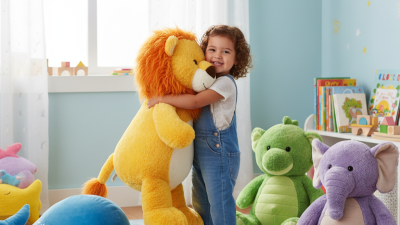
For children, plush toys often serve as steadfast companions. They help children navigate their emotions and fears. A child may talk to their toy during tough times, providing a sense of security. For adults, plush toys can evoke nostalgia, reminding them of carefree childhood days. This emotional connection can be incredibly soothing for someone experiencing anxiety or depression.
However, relying too heavily on plush toys can also lead to avoidance of real-life problems. People might find themselves clinging to these objects rather than addressing their issues. This reliance can stunt emotional growth and hinder personal development. It’s essential to balance the comfort of plush toys with real social support systems and self-reflection.
Marketing Strategies Targeting Diverse Demographics in Plush Toys
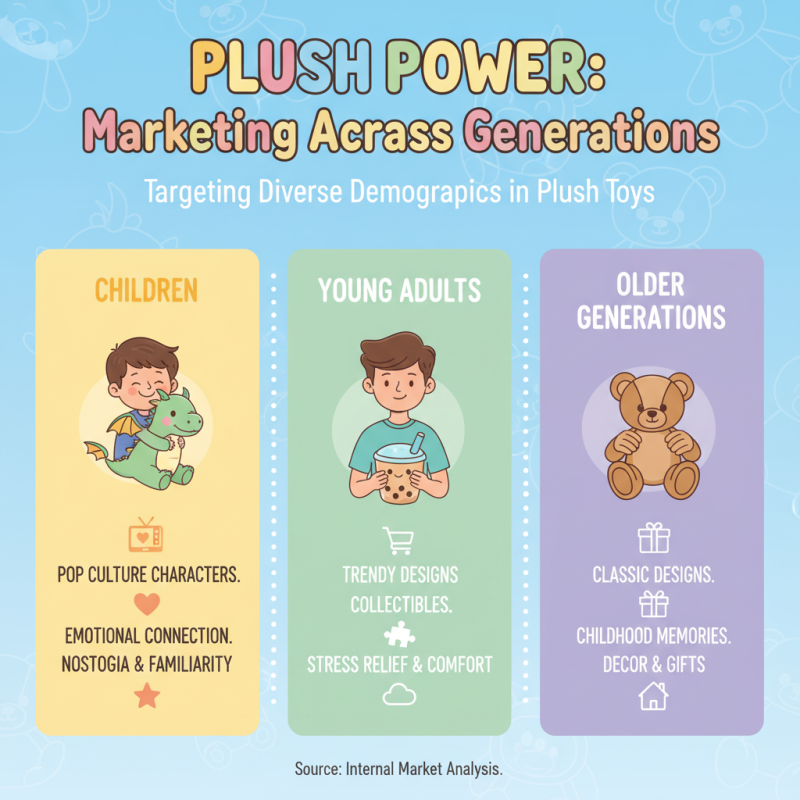
The world of plush toys is vibrant and engaging for all age groups. Marketers recognize this broad appeal and craft strategies targeted at various demographics. For instance, children are often drawn to characters from popular media. This creates emotional connections through nostalgia and familiarity. Young adults and older generations can find comfort in plush toys, often associated with memories of childhood.
Universities have conducted studies on the psychological impact of plush toys. They suggest that soft textures and cute designs can reduce stress. As a result, some brands focus on the emotional benefits in their marketing campaigns. They feature colors and shapes that evoke feelings of comfort and joy. However, not all strategies are perfect. Some products may not resonate with all segments.
Social media also plays a significant role. Influencers promote plush toys in creative ways, reaching diverse audiences. However, the challenge lies in ensuring these campaigns are authentic. Sometimes, marketing can feel forced or insincere. Understanding the target audience's needs is essential. Brands need to constantly reflect on their approaches to remain relevant.