10 Essential Tips for Choosing the Best Plush Toys for Your Child?
Choosing the right plush toys for your child is not just about aesthetics. It involves understanding safety, comfort, and educational value. Child development expert Dr. Linda Gray emphasizes, "The right plush toys can greatly enhance a child's sense of security and imagination." This highlights the significance of plush toys in both emotional and cognitive development.
When selecting plush toys, safety is paramount. Look for non-toxic materials and ensure there are no small parts. Colors and textures matter too; they can stimulate a child’s sensory exploration. Keep in mind, however, that not all plush toys are created equal. Some may not meet essential safety standards.
Consider your child's preferences and personality. A shy child might cling to a soft bunny, while an adventurous one may prefer a dinosaur. Imperfections can lead to cherished memories. A well-loved toy may show signs of wear, but that adds to its character. Reflect on your child’s needs when choosing plush toys; it’s more than just a toy, it’s a companion.
Understanding Different Types of Plush Toys and Their Features
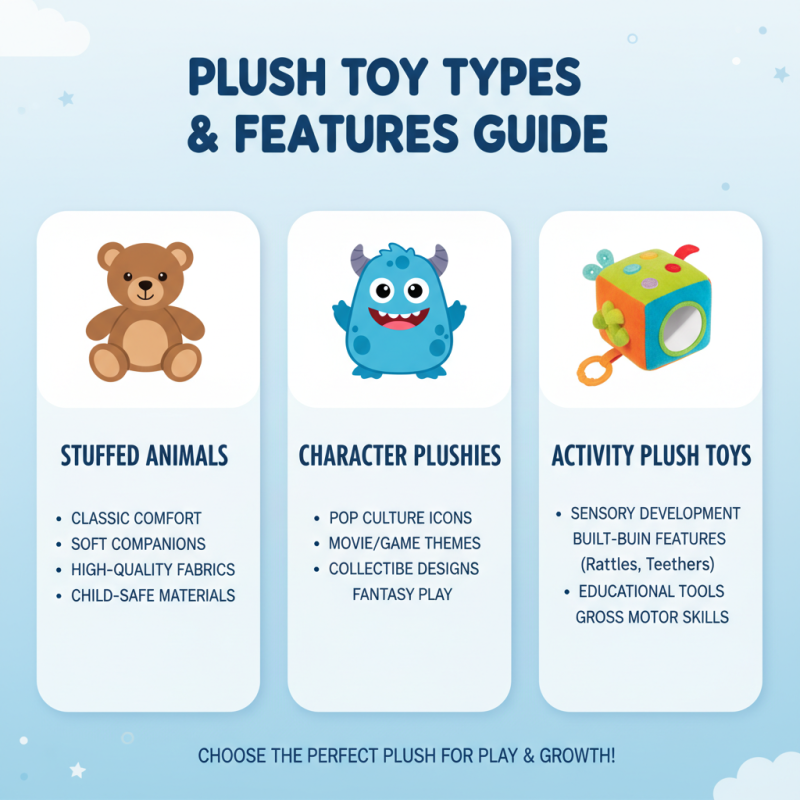
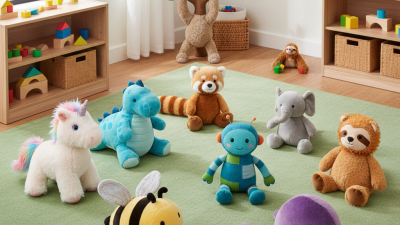
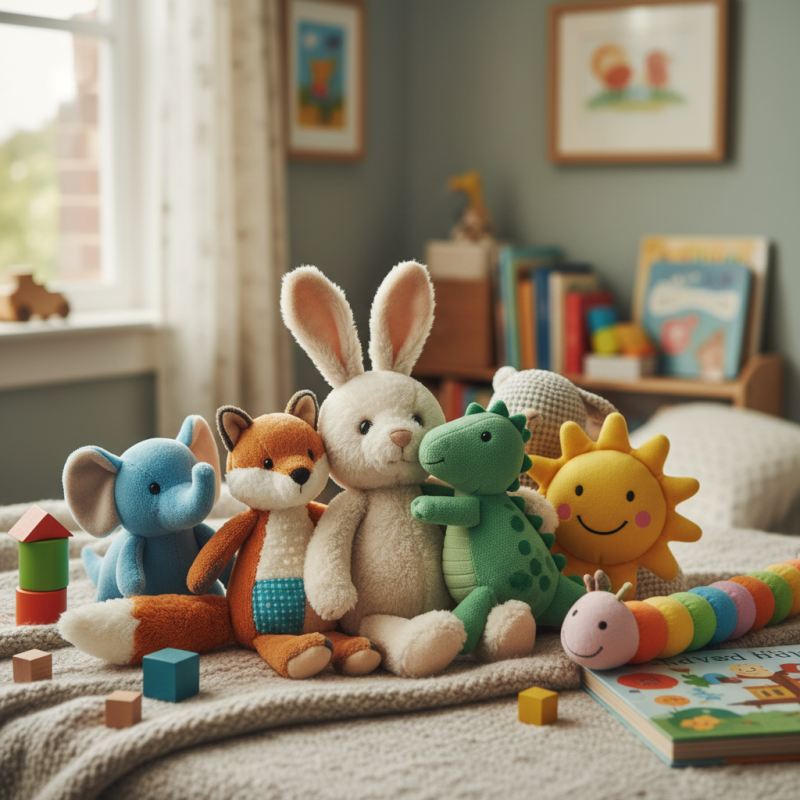
When selecting plush toys, understanding the various types and their features is crucial. Plush toys come in several categories, including stuffed animals, character plushies, and activity plush toys. Stuffed animals are classic choices. They provide comfort and can be soft companions for children. Look for those made from high-quality fabrics that are safe for kids.
Character plushies are based on popular cartoons or movies. These toys often resonate with children’s favorite characters. However, they might not be as versatile as general stuffed animals. Activity plush toys, on the other hand, offer interactive elements like sounds or textures. They can stimulate a child’s senses but may also require adult supervision to ensure safe play.
While plush toys bring joy, some choices can lead to disappointment. Parents might ignore safety labels or overlook fabric care instructions. Plush toys that aren't washable can quickly become unsanitary. Additionally, some plushies may not stand the test of time, losing their shape or softness. Reflecting on these points can help make a more informed decision for your child's playtime experience.
Assessing Safety Standards and Material Quality for Kids' Plush Toys
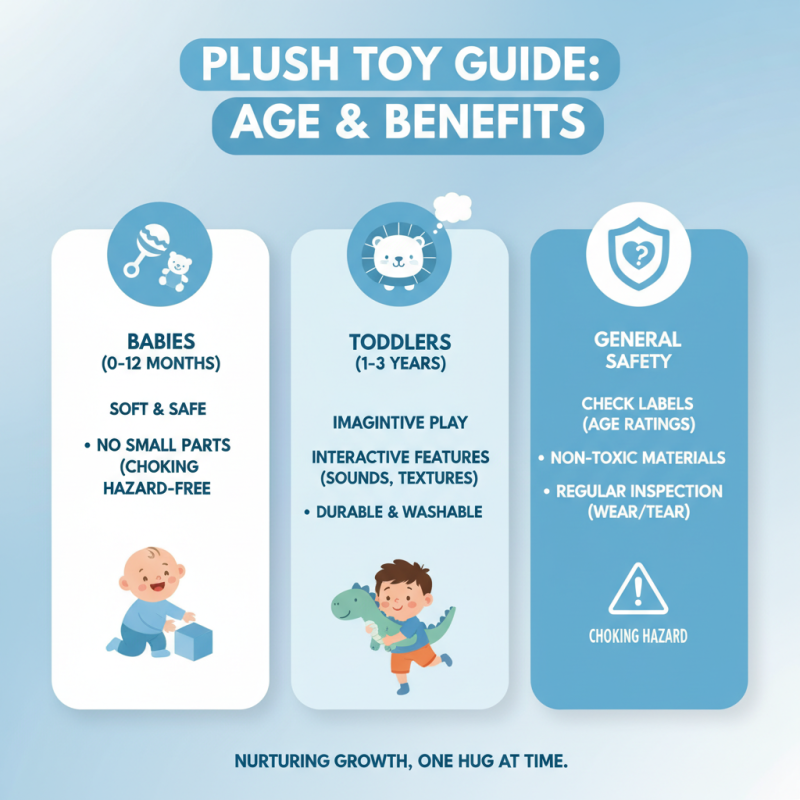
When choosing plush toys for your child, safety standards and material quality should be your top priorities. Many plush toys may seem cute and cuddly, but they can contain harmful materials or be poorly constructed. Look for toys made from non-toxic, hypoallergenic materials. Checks for labels that indicate compliance with safety regulations are also essential.
Consider the stitching and seams of the toy. Weak seams can pose a choking hazard if parts come loose. Tightly stitched plush toys tend to hold up better against wear and tear. It's worthwhile to examine the eyes and other small parts on the toy. Strongly secured pieces reduce the risk of them detaching when your child plays.
Another tip involves checking for safety certifications. Look for toys that have been tested and approved by relevant safety standards. This can provide peace of mind knowing your child is playing with a safe product. While price is often a factor, investing in higher quality plush toys can save you from future concerns and replacements. Remember, it's essential to engage with older toys. Regularly inspect them for wear and damage. Repairing or discarding unsafe toys can help ensure your child’s safety and enjoyment.
10 Essential Tips for Choosing the Best Plush Toys for Your Child
Choosing the Right Size and Weight for Your Child’s Comfort
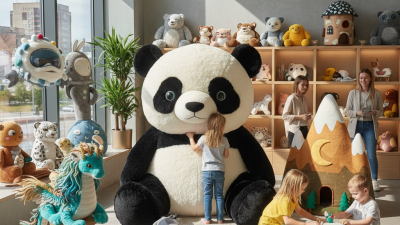
When selecting plush toys, size and weight are crucial for your child's comfort. A toy should be manageable for small hands. The American Academy of Pediatrics suggests that toys should not exceed 12 inches for preschool-aged children. Toys that are too large can be cumbersome, hindering play and exploration. Children may prefer smaller toys that they can easily carry and snuggle with, enhancing their sense of security.
Weight also plays a role in comfort. Heavier toys may be comforting for some, but they can also be hard for young children to handle. A recent survey by the Toy Industry Association found that 75% of parents prefer lightweight plush toys for infants and toddlers. Such toys are easier for kids to grip and throw, fostering independence and creativity during playtime.
Choosing the right size and weight helps ensure that your child feels at ease and excited about their new plush toy. Balancing these factors can enhance their emotional connection with their toys, promoting happier play experiences.
Considering Age Appropriateness and Developmental Benefits
When selecting plush toys for your child, age appropriateness is crucial. Different age groups have unique developmental needs. Babies need soft, safe toys that are easy to grip. Toddlers may enjoy interactive plush toys that stimulate their imagination. Ensure that the toy is free from choking hazards.
Developmental benefits are another important factor. Look for plush toys that encourage creativity and emotional development. A cuddly companion can offer comfort and support during tough times. It can also help your child learn empathy. Choose plush toys with different colors and textures to enhance sensory exploration.
It's essential to think about your child's interests. Picking a toy they love can make a big difference. However, avoid overly complex designs. Simple shapes and bright colors work best for younger children. Remember, not every plush toy needs to be perfect. Sometimes, a toy that shows signs of wear and tear can hold precious memories and lessons.
Exploring Personalization Options for a Unique Plush Toy Experience
When choosing plush toys for children, personalization can create a magical experience. Research shows that personalized toys not only boost emotional connections but also enhance imaginative play. According to a study, 72% of parents believe personalized toys have a positive impact on their child's development.
One popular option is to add a child's name to the toy. This small detail transforms a simple plush into something special. It fosters a sense of ownership. Including accessories like clothes or themed outfits can make the toy even more appealing.
When considering purchases, pay attention to quality and safety. Look for toys made from non-toxic materials. This ensures they are safe for younger kids. Always check for age recommendations to avoid potential hazards. Ensuring durability is key as well. A toy should withstand daily adventures while remaining adorable.
Embrace the unique ways to customize plush toys. By doing so, you foster creativity and individuality in your child's playtime. Happy crafting!
10 Essential Tips for Choosing the Best Plush Toys for Your Child
| Tip |
Description |
Personalization Options |
Age Suitability |
| 1. Safety First |
Ensure the toy is made of non-toxic materials. |
Custom label with the child’s name. |
0-2 years |
| 2. Age Appropriateness |
Choose toys that are suitable for the child's age group. |
Age-specific designs. |
3-5 years |
| 3. Washable Materials |
Select plush toys that can be easily washed. |
Personalized wash tags. |
All ages |
| 4. Size Matters |
Consider the size based on where the toy will be used. |
Custom size options. |
1-7 years |
| 5. Softness and Texture |
Choose toys that are soft and cuddly. |
Variety of textures available. |
All ages |
| 6. Educational Value |
Select toys that encourage learning and development. |
Interactive features personalized with names. |
2-6 years |
| 7. Theme-Based Selection |
Choose plush toys based on the child's interests. |
Custom designs based on favorite characters. |
All ages |
| 8. Reviews and Recommendations |
Check reviews for quality and satisfaction ratings. |
Personalized recommendations based on preferences. |
All ages |
| 9. Durability |
Select plush toys that can withstand rough play. |
Custom reinforcement options. |
3-8 years |
| 10. Budget Consideration |
Set a budget that allows for a quality purchase. |
Tailored options for various budgets. |
All ages |