Leave Your Message

Why Choose Plush Sofa Pillows for Global Sourcing?

Global sourcing is changing how retailers evaluate comfort, design, and supply reliability. Plush Sofa Pillows meet these priorities with soft textures, flexible colors, and practical merchandising potential. They can refresh a living room without replacing the sofa. That matters.

Fortune Business Insights estimated the global home décor market at approximately US$682.9 billion in 2023. The report also indicates continued expansion through 2032, supported by residential improvements and lifestyle-focused purchases. This broader demand creates opportunities for suppliers offering consistent pillow collections. Buyers can combine boucle, velvet, chenille, or faux-fur covers with polyester, feather, or recycled-fiber fillings. Textile Exchange reported that polyester represented about 59% of global fiber production in 2023. The material remains important, but responsible sourcing deserves closer attention.

A professional sourcing decision should examine more than appearance. Product teams need measurable specifications, including fabric weight, seam strength, filling recovery, zipper durability, colorfastness, and package dimensions. Factory audits, pre-shipment inspections, and laboratory test reports can reduce avoidable quality problems. Requirements may also vary by destination market, so buyers should verify applicable labeling, chemical, flammability, and consumer-product rules before shipment. Certified materials can support stronger documentation, but certification alone does not guarantee product performance.

The numbers look encouraging. Real sourcing is less tidy. A beautiful sample may hide uneven filling or weak stitching. That risk is easy to underestimate. Therefore, global buyers should compare landed cost, minimum order quantity, lead time, compliance evidence, and replenishment capacity together. When these details align, Plush Sofa Pillows become more than decorative accessories. They become a practical, testable category for international home-furnishing programs.
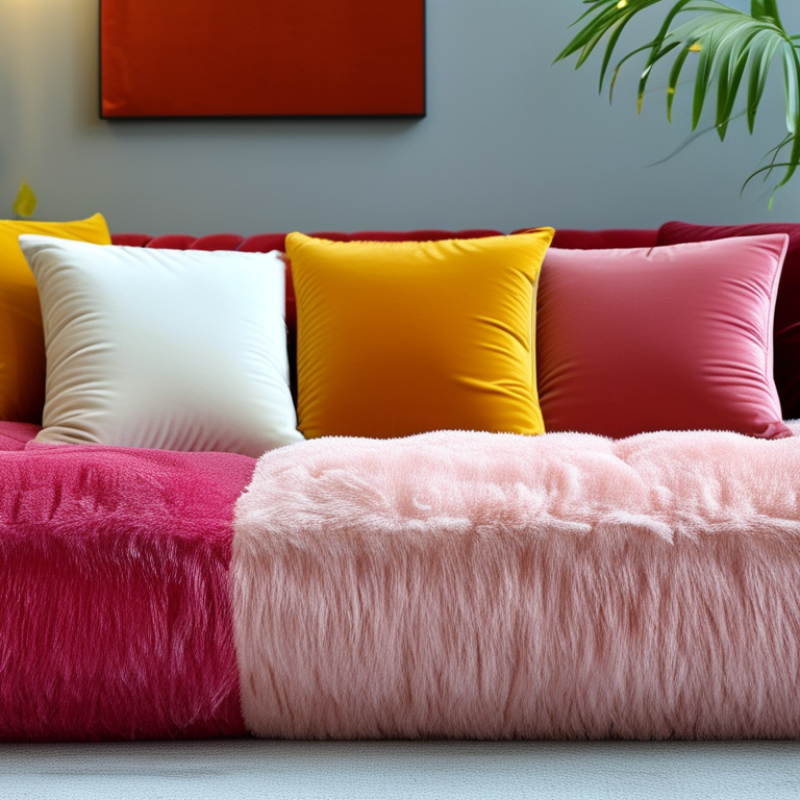
Why Choose Plush Sofa Pillows for Global Sourcing?

What Are Plush Sofa Pillows?

Why Choose Plush Sofa Pillows for Global Sourcing?

Plush sofa pillows are soft, supportive cushions designed for comfort and visual warmth. They usually combine a fabric cover with polyester fiber, microfiber, or foam filling. The surface may feel velvety, brushed, or gently textured. Sizes often range from compact lumbar shapes to large square cushions. A well-made pillow keeps its shape after regular use, but it should still feel flexible in the hand. That balance matters. A pillow can look full in photographs yet flatten quickly in a showroom.

For global sourcing, buyers should examine construction details, not only appearance. Check seam strength, zipper quality, filling recovery, and fabric color consistency. Request physical samples before approving larger quantities. In my experience, touching the filling reveals problems that product images hide. A dense insert may feel luxurious but create high shipping volume. A lighter insert may reduce costs, though it can lose support sooner. Neither option is perfect for every market. Care labels, packaging tests, and documented material specifications also support reliable purchasing decisions.

Tips: Compare at least two filling types. Press each sample repeatedly and observe its recovery. Test the cover after washing, if washable care is required. Ask suppliers for measurements before and after compression. Record every result. Small differences can affect comfort, freight planning, and customer satisfaction. Keep color references with approved samples, because screen images can mislead.
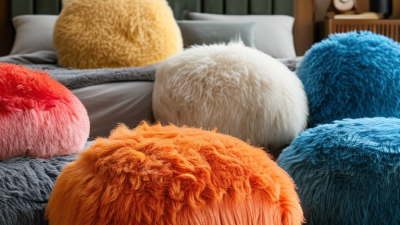

Key Features of Plush Sofa Pillows

Plush sofa pillows appeal to global buyers because they add warmth without changing the whole sofa. Their key feature is tactile comfort. A dense microfiber, chenille, or velvet-like cover can create a soft surface and a richer visual effect. However, attractive fabric can still wear quickly. Request fiber content, fabric weight, abrasion results, and colorfastness data before approving samples. Soft polyester filling offers consistent volume and easy care, while feather blends feel more natural but may require extra maintenance. The choice affects shipping weight and retail positioning.

Construction details deserve close inspection. Reinforced seams reduce edge splitting, and a concealed zipper supports washing or filling adjustments. Piped borders give the pillow a tailored shape, although uneven piping can make quality problems obvious. Common sizes include 45 by 45 centimeters and lumbar formats, but size should match the target sofa and packaging plan. Check compression recovery after unpacking. Some pillows look flat for several hours, then regain volume slowly. That delay may disappoint buyers.

For reliable sourcing, compare at least two production samples from the same specification. Measure dimensions, inspect stitching, and test the cover after repeated handling. Ask for care-label information and packaging details that prevent moisture damage during transit. Color may vary between batches, even with approved samples. That is a practical weakness worth discussing early. A clear tolerance range helps factories and buyers judge acceptable differences. Fancy softness is not enough. Consistency matters more.

Why Choose Plush Sofa Pillows for Global Sourcing? - Key Features of Plush Sofa Pillows

Feature Typical Specification Product Benefit Global Sourcing Consideration
Common Pillow Sizes 40 × 40 cm to 60 × 60 cm; rectangular lumbar formats are also widely used. Provides practical options for sofas, lounge chairs, beds, and decorative displays. Confirm dimensions in centimeters and inches, including finished-size tolerance, before production.
Outer Fabric Common materials include polyester plush, velvet, microfiber, cotton blends, and sherpa-style fabrics. Soft surfaces improve comfort while offering different textures, appearances, and price points. Request fabric composition, weight, colorfastness information, and physical swatches for comparison.
Filling Material Typical fillings include polyester fiber, hollow fiber, recycled polyester, and polyurethane foam inserts. Filling choice affects softness, resilience, loft, weight, and long-term shape retention. Specify filling type, filling weight, recovery expectations, and whether the insert is included.
Softness and Loft Available in soft, medium, or firm constructions, depending on filling density and insert design. Allows buyers to match the pillow to decorative styling, back support, or casual lounging. Use standardized sample testing and written acceptance criteria to reduce differences between production batches.
Removable Cover Many designs use a concealed zipper or envelope closure for removable-cover construction. Supports easier cleaning, seasonal style changes, and replacement of covers without replacing the insert. Check zipper quality, seam strength, closure placement, and whether spare covers can be ordered.
Care Requirements Care instructions vary by fabric; removable polyester covers may often be machine washable when approved by testing. Clear care guidance helps maintain softness, color, and appearance during product use. Require care-label information and laundering test results appropriate for the target market.
Color and Design Options Solid colors, jacquard textures, printed patterns, tufting, piping, embroidery, and seasonal designs are commonly available. Supports private-label collections, coordinated home décor ranges, and market-specific style selection. Approve color standards using physical samples or recognized color references rather than screen images alone.
Seam Construction Common details include overlocked inner seams, double-stitched stress points, piping, and reinforced zipper areas. Proper construction helps reduce fraying, filling leakage, and seam opening during handling and use. Include seam appearance, stitch density, edge finishing, and zipper performance in quality inspections.
Packaging Efficiency Soft pillows can be shipped flat-packed, compressed, or lightly folded, depending on fabric and filling recovery. Flexible packing methods can reduce carton volume and improve storage and transport efficiency. Test compression recovery, moisture protection, carton dimensions, and unpacking time before confirming shipment plans.
Compliance Documentation Documentation may include fiber-content details, care labeling, restricted-substance testing, and market-specific safety reports. Supports responsible product placement across different retail and e-commerce markets. Identify destination-country requirements early and request current test reports for the exact materials and construction.
Customization Potential Customization may cover dimensions, fabric, filling, labels, packaging, artwork, and decorative finishing. Enables differentiated collections without changing the basic pillow format. Confirm minimum order quantities, sample charges, tooling needs, development timelines, and approval stages.
Inspection Points Typical checks include dimensions, fabric defects, color consistency, filling distribution, seams, zippers, odor, and packaging. Systematic inspection improves consistency and helps identify issues before export. Define acceptable quality limits and inspection procedures before mass production begins.

Benefits for Global Sourcing

Why Choose Plush Sofa Pillows for Global Sourcing?

Benefits for Global Sourcing

Plush sofa pillows can add comfort, texture, and visual warmth to many furniture collections. Their soft surfaces help create a welcoming display in showrooms, hotels, and residential projects. For global sourcing teams, this category also supports flexible product planning. Suppliers can offer different fillings, fabric weights, dimensions, and closure options. These choices help buyers match regional preferences without redesigning the entire sofa range.

A practical sourcing review should examine more than appearance. Check seam strength, filling recovery, color consistency, and fabric abrasion results. Request production samples before approving large quantities. Packaging also deserves attention. Compressed pillows may reduce shipping volume, but poor recovery can affect customer satisfaction. Clear specifications improve communication across languages and time zones. Product labels should provide accurate material information and care instructions. Plush is not automatically better. Excessive softness may reduce support, while dense filling can increase freight costs. That trade-off needs careful testing.

Tips: Compare at least two fabric constructions and record their test results. Ask for a pre-production sample. Test the pillow after storage, unpacking, and repeated use. Keep approval documents organized. Small details matter. A sourcing mistake may come from an attractive sample that does not represent mass production. Regular factory communication, documented inspections, and realistic delivery schedules make purchasing decisions more reliable. Changes can still occur, so leave room for a final quality review.

Material, Quality, and Safety Considerations

Plush sofa pillows attract global buyers with their soft texture, visual warmth, and strong comfort appeal. Yet appearance should never replace material evaluation. A reliable pillow usually combines durable upholstery fabric, resilient filling, and secure stitching. Polyester velvet feels smooth, while cotton blends may offer better breathability. Recycled fibers can support sustainability goals, but their consistency must be checked carefully. Ask suppliers for fiber composition, colorfastness results, and shrinkage data. A beautiful sample can still fail after washing or prolonged pressure.

Tips: Request production samples, not only showroom pieces. Press each pillow repeatedly and inspect seam recovery. Check zipper strength, filling distribution, loose threads, odor, and fiber shedding. Review laboratory reports for restricted substances, flammability, and color transfer. Requirements differ by destination, so confirm applicable regulations with qualified testing professionals. Small details matter.

Quality control should continue from sample approval to final loading. Compare bulk goods against an approved reference sample under natural light. Check dimensions, firmness, stitching density, and label accuracy. Hidden moisture can create odor during long transport, especially in humid seasons. Packaging should protect the plush surface without compressing it permanently. I have seen soft pillows lose shape because packing decisions were made too late. That mistake is easy to repeat. Build inspection checkpoints into the purchase plan, and keep records that trace materials, tests, and corrective actions.

Why Choose Plush Sofa Pillows for Global Sourcing?

Material, quality, and safety should be evaluated together. The chart compares typical textile moisture regain values, a useful indicator of comfort, dimensional stability, and drying requirements during material selection.

Standard moisture regain values are approximately 0.4% for polyester, 1.5% for acrylic, 4.5% for nylon, 6.5% for acetate, 8.5% for cotton, 13.0% for rayon, and 13.6% for wool. Actual results vary with fiber processing and test conditions. For global sourcing, combine these material checks with seam strength, colorfastness, filling recovery, dimensional stability, restricted-substance screening, and destination-market flammability requirements.

How to Choose Reliable Plush Pillow Suppliers

When sourcing plush sofa pillows globally, supplier reliability matters more than a soft first sample. A pillow may look attractive yet lose shape after repeated use. Request production samples, not only showroom pieces. Press the filling, inspect seam density, and measure the cover after washing. Ask for material specifications, including fabric composition, filling type, weight, and colorfastness results. Small details expose large risks.

A dependable plush pillow supplier should provide clear quality procedures and traceable production records. Check whether staff inspect fabric, stitching, filling weight, and final packaging. Review independent test reports when available, especially for color migration, flammability, and restricted substances. Confirm production capacity through realistic lead times, not impressive promises. Communication also matters. Suppliers should answer technical questions directly and report delays before shipment.

Visit the facility when possible, or arrange a credible third-party audit. Examine storage areas, sewing lines, and sample approval records. Ask how defective pillows are separated and corrected. A reliable partner will explain the process without hiding weaknesses. No checklist is perfect. Sample approvals can still miss seasonal material changes or packing damage. Use written specifications, pre-shipment inspections, and a small trial order before scaling. Keep communication documented. That habit protects quality, costs, and customer trust.