2026 Top Stuffed Animals Trends You Need to Know?
As we venture into the world of stuffed animals in 2026, significant trends are emerging that every enthusiast should recognize. Market research shows that the global plush toys segment is expected to surpass $16 billion by 2026, driven by strong consumer interest. Stuffed animals are not merely toys; they play a vital role in child development, providing comfort and companionship.
The increasing focus on eco-friendly materials highlights a shift in consumer preferences, aiming for sustainability. In fact, around 38% of parents prioritize toys made from organic materials. These insights emphasize the need for manufacturers to adapt to changing expectations. Yet, the plush toy market faces challenges, such as safety concerns and changing digital landscapes.
While stuffed animals maintain their traditional appeal, brands must innovate to stay relevant. The rise of interactive and tech-enabled toys captures the attention of young audiences. However, traditional designs still resonate with many families, creating a complex landscape for manufacturers. Understanding these dynamics is key for stakeholders aiming to thrive in the evolving plush toy market.
Top Selling Stuffed Animals of 2026: Market Insights and Statistics
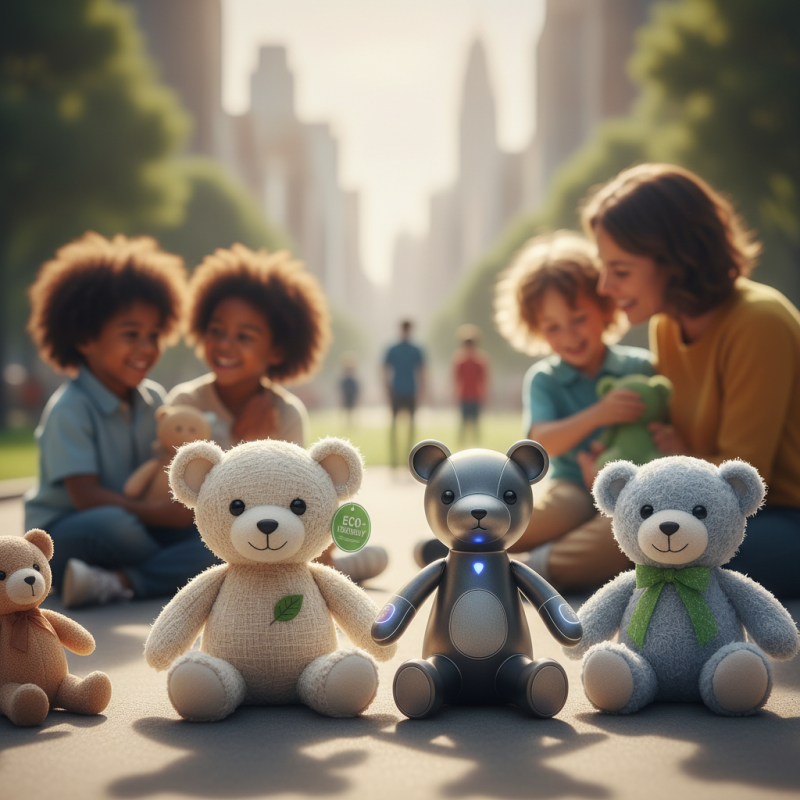
As we approach 2026, the world of stuffed animals continues to evolve. Recent market insights reveal that consumers are leaning towards eco-friendly materials. Sustainability is no longer just a trend; it’s a priority for many buyers. Parents want toys that are safe and environmentally responsible. The demand for organic cotton and non-toxic dyes is rising significantly.
Sales statistics indicate a notable shift in preferences. Animal designs with realistic features are gaining popularity, particularly among collectors. Children love cuddly companions, but they also crave characters that reflect their interests. Additionally, customizable stuffed animals are trending. This allows kids to create unique toys that resonate with their individuality.
However, the industry faces challenges. Production costs are increasing, which may lead to higher prices for customers. Manufacturers must balance quality and affordability. Ensuring ethical labor practices while maintaining a competitive edge is vital. The market is constantly changing, and businesses need to adapt swiftly to these trends. This creates a space for ongoing reflection and strategic planning in the stuffed animals sector.
2026 Top Stuffed Animals Trends
This chart represents the projected units sold of various top-selling stuffed animals in 2026. Teddy bears lead the market, followed by dinosaurs and bunny rabbits. This data provides insights into current trends for stuffed animals.
Innovative Materials and Sustainability Trends in Stuffed Animals
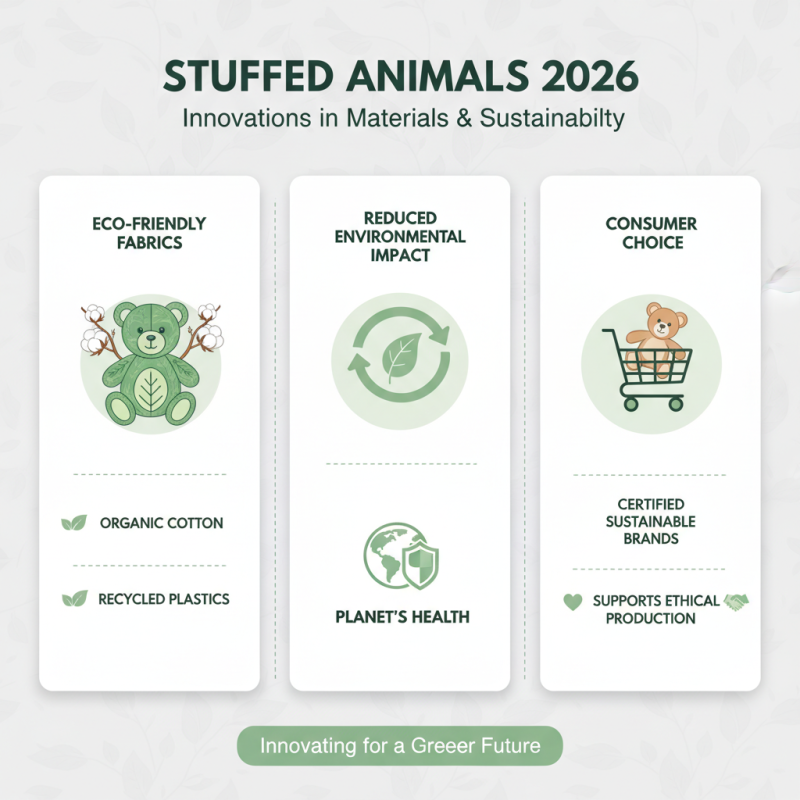
As we move toward 2026, stuffed animals are evolving with a focus on innovative materials and sustainability. Many manufacturers are exploring eco-friendly fabrics, such as organic cotton and recycled plastics. These materials not only reduce environmental impact but also cater to a growing market of eco-conscious consumers. Shopping for stuffed toys now means considering the planet’s health.
Sustainability is not just a trend; it’s a necessity. In a world filled with plastic waste, some companies are looking into biodegradable stuffing options. This challenge prompts discussions about durability and longevity. Are these new materials as soft and cuddly as traditional ones? Some prototypes have emerged, but many require fine-tuning to rival the classic feel of your favorite stuffed friend.
Transparency in sourcing is also gaining attention. Consumers increasingly want to know where their toys come from. Brands are pressured to provide information about supply chains. Striking a balance between charm and conscience remains difficult. While some advancements are promising, others reveal gaps that need addressing. This ongoing dialogue shapes the industry, pushing it towards a more responsible future.
Popular Themes and Characters in 2026's Stuffed Animal Market
The stuffed animal market is evolving, showcasing popular themes and characters in 2026. Recent industry reports indicate a surge in demand for themed plush toys, particularly those inspired by nature and the environment. Data from the Toy Association reveals that environmentally friendly plush toys saw a 30% increase in sales last year. Consumers are gravitating toward products that emphasize sustainability.
Characters from popular culture continue to dominate the market. Familiar icons from movies and video games are highly sought after. Many manufacturers are adapting their designs to keep up with trends. A report by NPD Group highlights that licensed characters account for 40% of total stuffed animal sales. However, not all franchises resonate well with every age group. Some character choices require careful consideration by marketers.
The rise of DIY and customizable stuffed animals is also notable. Many consumers want to create a unique connection with their toys. Industry surveys indicate that nearly 25% of parents prefer personalized items. This trend may challenge traditional methods of production. Balancing unique designs with affordability poses a significant dilemma for manufacturers. Companies must reflect on their strategies. Supply chain issues further complicate this emerging trend, forcing brands to rethink their approaches.
Consumer Preferences: Age Demographics and Purchasing Behavior
As we look towards 2026, understanding consumer preferences in stuffed animals is essential. Recent reports reveal that 35% of consumers under 12 prefer plush toys that resemble real animals. This demographic values both cuddly comfort and educational value. Data shows that toys tied to educational themes increase appeal, yet some consumers feel overwhelmed by options.
Among adults, 18-35-year-olds are increasingly purchasing stuffed animals for themselves. Reports indicate that 52% of these consumers view plush toys as stress relievers. The trend towards self-care underscores a nuanced market. However, adult preferences are often understated. Many older consumers feel judged for enjoying children’s products, and retail messaging may overlook this demographic’s needs.
The data also highlights a gap in offerings that cater to teens. A staggering 40% of teenagers express a desire for plush items that reflect their interests or hobbies. Yet many feel the current market does not adequately represent them. Acknowledging these gaps and shifting perceptions will be crucial for brands aiming to boost their relevance. Embracing this diversity could transform the stuffed animal landscape.
2026 Top Stuffed Animals Trends You Need to Know
| Age Group |
Top Preferences |
Purchasing Behavior |
Average Spend ($) |
| 0-3 years |
Soft and Safe Materials |
Gifts and Special Occasions |
25 |
| 4-8 years |
Character-Themed Toys |
Birthday Parties and Holiday Shopping |
40 |
| 9-12 years |
Collectibles and Limited Editions |
Online Purchases |
50 |
| 13+ years |
Novelty and Emotional Comfort |
Impulse Buying |
30 |
Emerging Brands and Designers Revolutionizing the Stuffed Animal Industry
The stuffed animal industry is evolving rapidly. Emerging brands and designers are reshaping how we view plush toys. A 2022 market analysis showed that the global stuffed animal market was valued at over $11 billion. The growth trajectory indicates it will reach $20 billion by 2030. New entrants are contributing to this expansion.
Many innovative designers focus on sustainability. They use eco-friendly materials. Reports suggest that consumers increasingly prefer sustainable options. The rise of personalized stuffed animals has also become noteworthy. Toys that can be customized appeal to emotional connections. Some brands even offer interactive features, enhancing playtime experiences.
However, this shift isn't without challenges. The market faces intense competition. New brands often struggle for visibility. Additionally, there are concerns about product safety and quality. Parents want assurance that their children's toys are safe. Striking a balance between innovation and reliability remains key for these emerging players. They must reflect consumer values while ensuring the highest safety standards.