Top Stuffed Dolls Trends to Watch in 2026?
As we look ahead to 2026, the world of stuffed dolls is evolving in exciting ways. These beloved companions, once seen simply as toys, are becoming integral to emotional well-being and creativity. Industry experts predict a rise in customizable and interactive designs. Children will make these dolls truly their own.
Moreover, sustainability is a priority for many brands. Parents increasingly seek eco-friendly materials. This shift reflects a growing awareness of environmental impact and ethical production. Some stuffed dolls may even teach kids about nature and conservation.
However, there are challenges. The market is saturated with options, making choices overwhelming. Parents may struggle to find quality amidst quantity. Observing trends in stuffed dolls can help families navigate these options. Choosing wisely will be vital for meaningful play and connection in the years to come.
Emergence of Eco-Friendly Materials in Stuffed Dolls Manufacturing
The stuffed doll industry is witnessing a significant shift towards eco-friendly materials. Many manufacturers are realizing the impact of traditional materials on the environment. Sourcing sustainable fabrics can reduce waste and pollution. This is essential for a healthier planet.
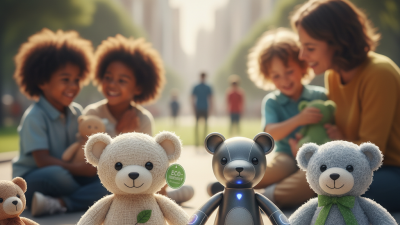
Biodegradable stuffing is becoming popular. It decomposes naturally, unlike synthetic alternatives. Organic cotton and bamboo are excellent choices. They are soft, safe, and gentle on a child's skin. Parents are increasingly considering these options. They want to prioritize both playtime and planet health.
The journey towards sustainability, however, is not without challenges. The cost of eco-friendly materials can be higher. This might limit accessibility for some families. Yet, the demand for these products is growing. As awareness increases, more producers may innovate. They can find ways to make these materials affordable. Adopting sustainable practices can be a journey of learning. It requires patience and commitment.
Top Stuffed Dolls Trends to Watch in 2026
Rise of Customizable Stuffed Dolls Among Consumers in 2026
The rise of customizable stuffed dolls in 2026 reflects a significant shift in consumer preferences. According to a recent industry report, 45% of consumers prefer personalized items that resonate with their individuality. Customizable features like facial expressions, clothing choices, and theme designs play a crucial role in this trend. These dolls cater to emotional connections, making them ideal gifts for children and adults alike.
Tips: Consider involving the customer in the design process. This can empower them and enhance their emotional investment in the product.
Another interesting trend is the integration of technology. Some companies now offer stuffed dolls that can sync with apps, allowing users to create stories around their dolls. A survey indicated that 68% of parents would be open to purchasing such interactive toys. However, there are potential pitfalls. Consumers seek balance; if the process is too complex, it may deter their interest.
Tips: Focus on simplicity in your customization options. A straightforward interactive experience can be more engaging for consumers.
The customization trend has led to increased competition among manufacturers. Only those who truly listen to consumer feedback will thrive. As we move towards 2026, businesses must remain adaptable and innovative to stay relevant in this growing market.
Top Stuffed Dolls Trends to Watch in 2026
| Trend |
Description |
Popularity Rating (1-10) |
Average Price ($) |
| Customizable Stuffed Dolls |
Consumers can choose features like color, clothing, and accessories. |
9 |
45 |
| Eco-Friendly Materials |
Increased demand for dolls made from sustainable and organic materials. |
8 |
50 |
| Interactive Technology |
Integration of voice, sound, or app connectivity in dolls. |
7 |
60 |
| Cultural Representation |
Dolls that reflect diverse cultures and backgrounds. |
8 |
55 |
| Collectible Series |
Limited edition dolls to attract collectors. |
6 |
75 |
Influence of Social Media Trends on Plush Toy Designs and Preferences
Social media plays a pivotal role in shaping plush toy designs and preferences. As of 2022, data from the Toy Association revealed that 73% of consumers discover new toys through social platforms. This shift significantly influences trends in stuffed dolls, from design to marketing strategies. For example, the rise of TikTok-driven trends has led to
simpler, minimalistic designs that appeal to younger audiences. These designs often prioritize soft textures and vibrant colors, enhancing their visual appeal.
Interestingly, user-generated content drives many popular designs. Parents often share their children's reactions to plush dolls, prompting companies to adapt quickly. This real-time feedback loop helps toy manufacturers innovate. A report by Statista noted that 65% of parents are driven by trends when purchasing toys. This statistic highlights how social media shapes consumer behavior in the plush toy market.
Tips: Engage with your audience via polls and surveys to understand their preferences better. Create a platform for feedback to stay attuned to evolving trends. Additionally, consider incorporating seasonal themes, as they attract timely consumer interest. Keeping designs fresh yet simple can also enhance their desirability.
Integration of Technology in Interactive Stuffed Dolls for Enhanced Experience
As we move towards 2026, the integration of technology in
interactive stuffed dolls is set to revolutionize playtime.
A recent study by the Toy Association shows that 52% of parents now prefer toys that offer both
interactive features and educational value. This trend highlights a shift towards dolls that not only entertain but also educate
children, making playtime more enriching.
Interactive stuffed dolls are adopting advanced technologies such as AI and voice recognition.
These dolls can respond to a child's emotions, fostering a unique emotional connection. For instance, dolls equipped with these
capabilities can adapt their responses based on a child's mood. However, some concerns arise about screen time and dependency
on technology for companionship. Balancing interactive features with traditional play is crucial.
Additionally, security remains a critical issue as more dolls connect to the internet.
A report by Cybersecurity Ventures shows that cyber threats targeting IoT devices are expected to increase significantly by 2026.
Parents need assurance that these toys are safe and secure. It’s vital for manufacturers to commit to transparency and accountability,
ensuring that children's data is protected while enjoying their interactive companions.
Market Growth Projections for the Global Stuffed Dolls Industry by 2026
The global stuffed dolls industry is projected to see significant growth by 2026. Recent market analysis forecasts that the industry could reach a value of $12.5 billion. This growth is largely driven by rising consumer demand for unique, handcrafted dolls that resonate emotionally with children and collectors alike. The shift towards eco-friendly materials is increasingly important for parents looking for sustainable options.
As consumers become more discerning, brands face pressure to innovate. Companies must blend design with quality. Incorporating interactive features into dolls, like augmented reality, is emerging as a trend. This not only enriches playtime but also engages children in a digital age. Market reports highlight the importance of targeting diverse demographics, including adult collectors who seek nostalgia.
Tips: Focus on stories behind stuffed dolls. Unique backstories can enhance emotional connections. Also, ensure quality control in production. A flawed product can hurt brand credibility.
To tap into current trends, consider collaborations with artists or influencers. This strategy can expand reach and appeal to younger audiences. Remember, authenticity matters in today’s market. Engaging communities with genuine messaging can build lasting loyalty.