Why Are Stuffed Toys So Popular Among All Ages?
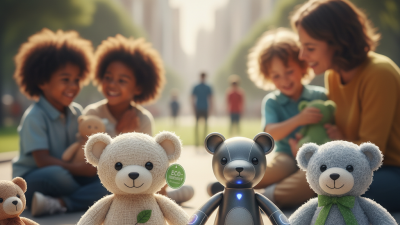
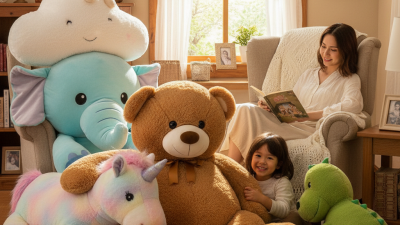
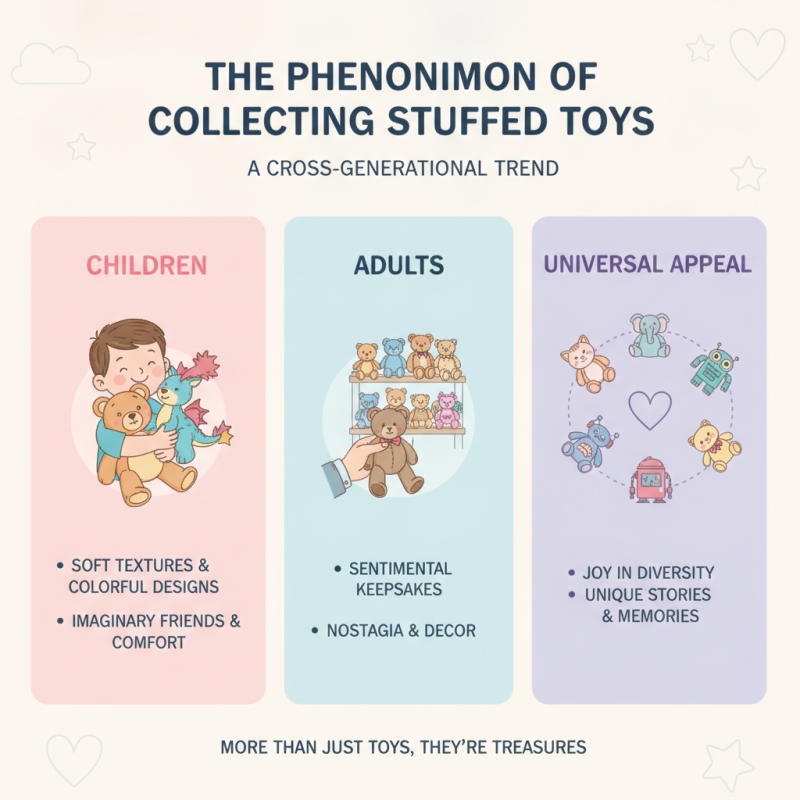
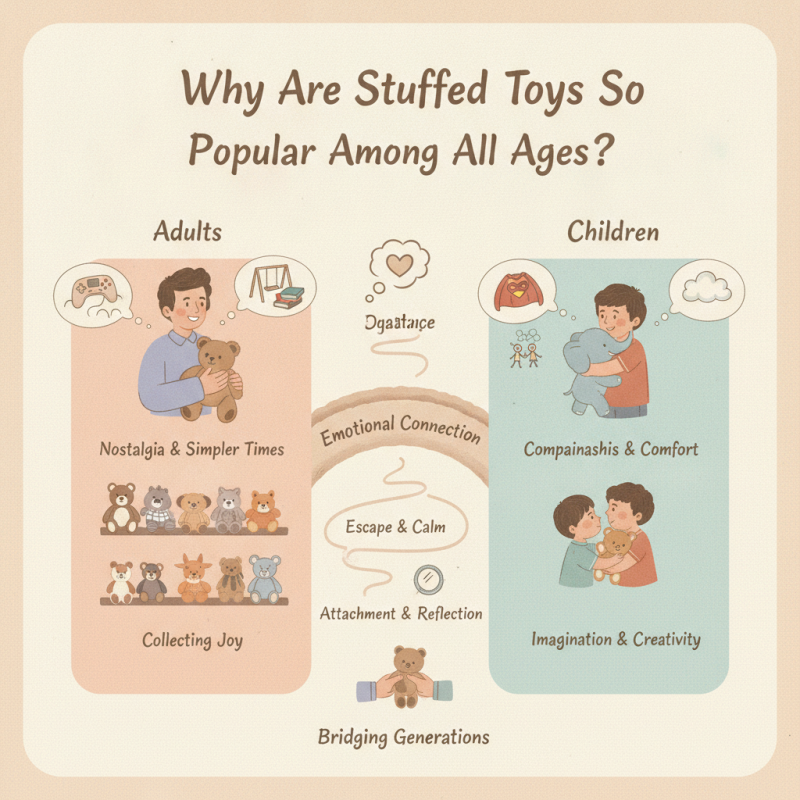
Stuffed toys have captured the hearts of people across all age groups. Their soft texture and comforting presence make them appealing. But what really drives their popularity? Many adults find joy in collecting stuffed toys. They remind them of childhood and simpler times. Children, on the other hand, see them as companions and sources of comfort.
The charm of stuffed toys lies in their ability to evoke nostalgia. A stuffed toy often represents a cherished memory or a beloved character. This emotional connection makes them hard to resist. Some may argue that stuffed toys are mere objects. However, the stories they hold in the minds of their owners suggest otherwise.
In a fast-paced world, stuffed toys provide a calming effect. They can spark creativity and imagination, offering an escape from reality. Yet, it raises a question: Are we too attached to these inanimate friends? This reliance might deserve reflection. Regardless, stuffed toys continue to be a source of comfort, bridging gaps between generations.
The Historical Evolution of Stuffed Toys Across Cultures
The historical evolution of stuffed toys reveals a fascinating journey through cultures. Traditionally, stuffed animals were made from natural materials. In the early 20th century, mass production began. This change made them accessible to more children. According to the Toy Industry Association, the global stuffed toy market was valued at over $9 billion in 2020. Analysts project steady growth, indicating a lasting appeal across generations.
Cultural significance plays a major role in their popularity. In Japan, for instance, “kawaii” culture, which emphasizes cuteness, boosts the love for plush toys. In various societies, these toys are seen as comfort items. A study from the International Journal of Behavioral Development shows 75% of children value their stuffed toys for emotional support. Yet, not all interactions are positive, as some children may struggle with attachment.
The design of stuffed toys has evolved too. In some cultures, toys represent animals or figures significant to their heritage. For example, African tribes often craft toys that reflect local wildlife. Not every community embraces stuffed toys; some prefer traditional dolls or figures. This divergent viewpoint invites a deeper understanding of childhood and play across cultures.
The Psychological Appeal of Stuffed Toys for Emotional Comfort
Stuffed toys have a unique psychological appeal that transcends age. Research indicates that nearly 70% of adults still cherish their childhood stuffed animals, finding comfort in their presence. This connection is not merely nostalgic; it plays a vital role in emotional health. Soft toys offer a sense of security, especially during stressful times. When life feels overwhelming, clutching a stuffed animal can evoke feelings of safety and warmth, acting almost like a security blanket.
According to a study in the Journal of Consumer Research, interactions with stuffed toys can stimulate the release of oxytocin, a hormone linked to bonding and emotional comfort. It's fascinating that adults often use these toys as coping mechanisms. In fact, about 40% of surveyed individuals reported that having a stuffed toy nearby significantly alleviated feelings of loneliness. This dynamic illustrates why stuffed toys appeal to all ages—they fulfill an innate desire for companionship and emotional support. The sentimental value often transcends the physical form, creating a deeper connection that many may not fully understand but certainly feel.
Why Are Stuffed Toys So Popular Among All Ages? - The Psychological Appeal of Stuffed Toys for Emotional Comfort
| Age Group |
Percentage of Ownership |
Primary Reason for Affection |
Common Emotional Benefits |
| Children (under 12) |
85% |
Sense of Security |
Comfort, Companionship |
| Teens (13-19) |
45% |
Nostalgia |
Stress Relief, Emotional Support |
| Adults (20-39) |
30% |
Stress Relief |
Soothing, Connection to Childhood |
| Middle-aged (40-59) |
20% |
Symbol of Home |
Memory Trigger, Emotional Stability |
| Seniors (60+) |
15% |
Comfort Object |
Companionship, Emotional Anchor |
The Role of Stuffed Toys in Childhood Development and Learning
Stuffed toys play an essential role in childhood development and learning. These cuddly companions provide comfort and security, which can help children explore their emotions. For instance, a child may feel safe enough to express their feelings while holding a beloved stuffed animal. This emotional connection fosters a sense of trust and understanding in their social world.
Tips for parents: Encourage your child to talk to their stuffed toys. This practice can improve communication skills and emotional intelligence. Let your child create stories with their toys, enhancing imagination and creativity. Simple play can be profound in learning moments.
Children often project their fears and dreams onto stuffed toys. They may use these toys to mimic real-life scenarios, which promotes problem-solving skills. However, it's important to remember that not every child will bond with a stuffed toy. Some may require other means of comfort.
Tips for caregivers: Pay attention to your child's preferences. If they prefer a blanket or another item, that is just as valid. Let go of expectations around toys while fostering an environment that encourages imaginative play. A supportive space allows for better emotional growth, regardless of the object used.
Popularity of Stuffed Toys Among Different Age Groups
This bar chart illustrates the percentage of stuffed toy owners across various age groups. The data reflects a strong affinity for stuffed toys, highlighting their importance in emotional bonding, comfort, and learning during childhood development.
The Influence of Media and Pop Culture on Stuffed Toy Popularity
Stuffed toys have gained immense popularity across various age groups. This trend is greatly influenced by media and pop culture. For example, animated films frequently feature charismatic stuffed characters that charm audiences. According to a recent industry report by The NPD Group, sales of plush toys surged by 25% in the last year. This suggests a growing fascination with these comforting companions.
Television shows and movies create emotional connections. Characters like plush bears and whimsical creatures resonate with viewers. The nostalgia factor plays a significant role. A 2022 survey revealed that nearly 70% of adults still cherish their childhood stuffed toys. This emotional attachment often drives purchases, causing a rise in both collectibility and gifting.
Furthermore, social media amplifies this connection. Platforms like Instagram showcase creative displays and collections. This visibility fosters a community of enthusiasts who share their love for these toys. Reports indicate that engagement rates for plush toy content are higher than for many other categories. Consumers are inspired by influencers who showcase their stuffed companions in relatable scenarios.