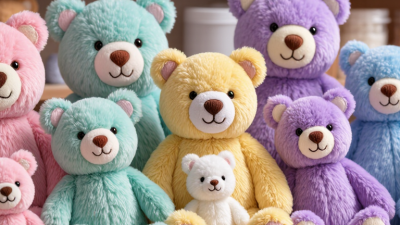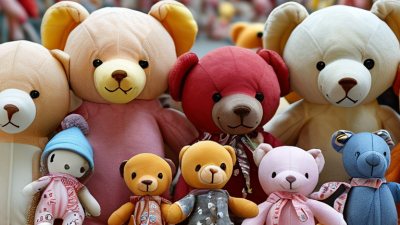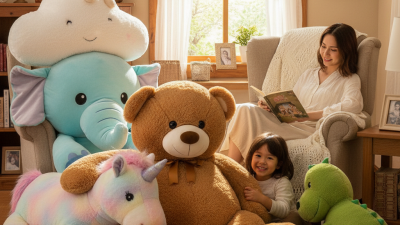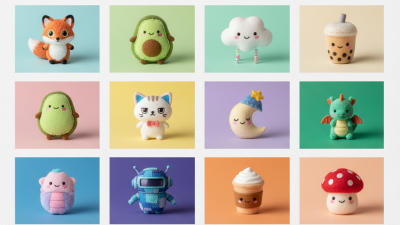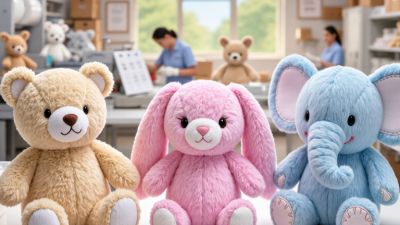
Small Plushies continue to attract wholesale buyers because they combine low shelf impact with strong emotional appeal. They fit gift shops, children’s boutiques, bookstores, party favors, and seasonal displays. However, buying them successfully requires more than choosing the cutest faces.
Toy industry consultant Richard Gottlieb has emphasized, “The best toys are those that engage the child in imaginative play.” That principle matters when reviewing Small Plushies for wholesale. A well-designed character should feel soft, recognizable, and easy to display. It should also survive repeated handling, packing, and transport without loose stitching or flattened filling.
This guide, “10 Best Small Plushies for Wholesale Buyers,” examines practical choices for different retail settings. It considers material quality, size consistency, packaging, minimum order quantities, color variety, and potential display value. Buyers should also request current safety documentation from suppliers before placing orders. Requirements may differ by market, age range, and product design.
Some products look excellent in photographs but feel ordinary in person. That happens.
A sample inspection can reveal rough seams, weak embroidery, or an unpleasant chemical odor. These details may influence customer trust more than a low unit price. Wholesale buyers should compare landed cost, not only factory pricing. Freight, packaging, storage space, and damaged units can change the final margin.
No ranking is perfect. A plush that sells quickly in a gift shop may move slowly in a discount store. Still, the selected options offer useful starting points for testing demand, building themed assortments, and creating compact displays. Careful buyers may find that the simplest plushies perform best. Sometimes, less decoration works better.
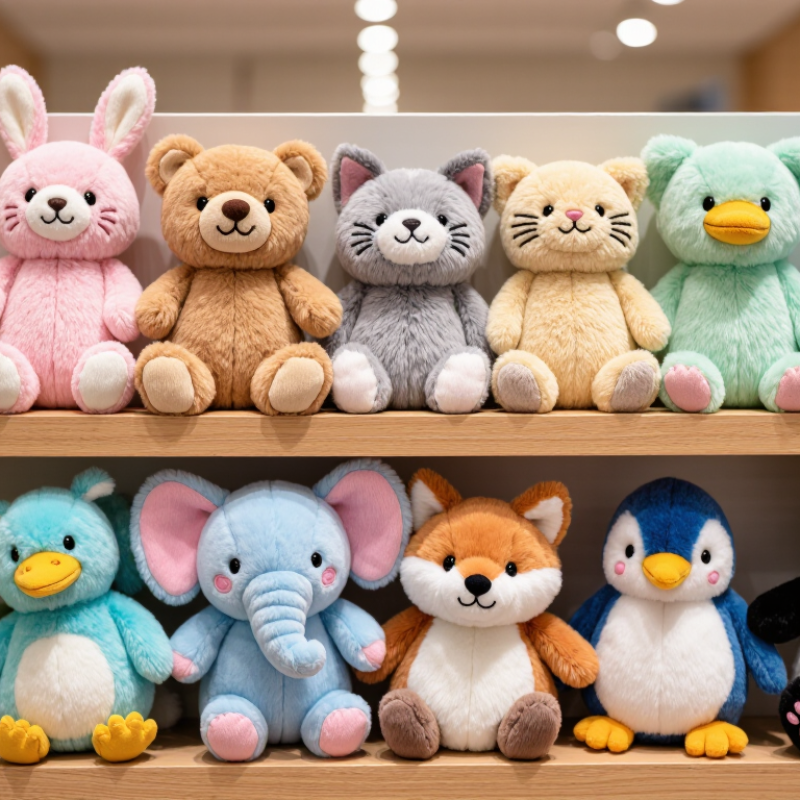
A small plushie for wholesale purchasing is not defined by appearance alone. In most buying programs, it means a soft toy that fits easily into one hand, a gift box, or a compact retail display. A practical size often ranges from 10 to 20 centimeters, though proportions matter more than height. A long-eared design may need extra shelf space.
Weight also affects the decision. Lightweight filling can reduce shipping costs, but excessive airiness may make the item feel cheap. Dense, resilient stuffing usually gives a better squeeze and helps the plushie keep its shape. Buyers should check fabric softness, stitching strength, seam accuracy, and loose fibers. Small details matter.
Wholesale value depends on repeatable production. Request a physical sample before confirming quantities. Compare its color, embroidery, filling, and measurements with the production specification. Ask for material information, age guidance, packaging details, and relevant safety test documents for the intended market. Requirements can differ by country, so vague assurances are not enough.
A small plushie should also stack efficiently. Flat-packed or individually bagged units may reduce carton waste, but packaging must protect the fur from crushing. Check the carton dimensions and calculate the landed cost, not only the unit price. A low-priced sample can become expensive after freight, defects, and slow stock movement. There is no perfect definition. A compact plushie that sells well in one shop may feel too small in another, especially when its facial features lose visibility on a crowded shelf.
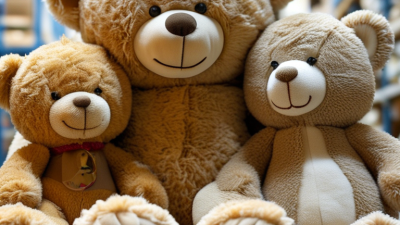
10 Best Small Plushies for Wholesale Buyers?
How to Compare Materials, Safety, and Product Quality
Small plushies can look identical in photos, yet their materials may perform differently in bulk orders. For wholesale buyers, comparison starts with fabric, filling, stitching, and trim. Check the fiber content and request physical samples. Polyester plush should feel even, without bald patches, sharp fibers, or strong chemical odor. Press the toy repeatedly. Does it recover, or stay flat? This simple test reveals more than a polished catalog image.
Safety requires closer inspection. Pull the seams, limbs, and attached decorations with controlled pressure. Look for loose threads, weak embroidery, and parts that could detach. Loose eyes are a warning. Ask for age grading evidence and current laboratory reports for the intended sales market. Each report should match the exact material, design, and production batch. A generic certificate is not enough. Wash testing also matters, especially when colors may bleed or stuffing may clump.
Product quality depends on consistency, not one attractive sample. Measure several pieces for size, weight, shape, and color variation. A few millimeters can affect packaging and shelf presentation. Ask how the supplier controls incoming fabric, stitching tension, and final inspection. A perfect sample can hide a weak production process. It is easy to overvalue softness. Repeated sampling, clear defect photos, and retained reference samples create stronger purchasing evidence. Leave room for correction; even careful specifications may miss a practical weakness.
| No. | Small Plushie Type | Typical Finished Size | Outer Material | Filling Material | Recommended Features | Key Safety Checks | Durability Indicators | Wash-Care Practicality | Wholesale Suitability | Overall Quality Score |
|---|---|---|---|---|---|---|---|---|---|---|
| 1 | Mini Animal Plush | 12–18 cm | Short-pile polyester plush | Polyester fiberfill | Embroidered eyes and nose; compact shape | Check embroidery security, seam strength, fiber shedding, and age labeling | Even stuffing, reinforced inner seams, dense fabric backing | Usually surface washable; removable accessories improve cleaning | Low shipping volume and broad appeal; suitable for gift shops and events | 4.5 / 5 |
| 2 | Plush Keychain | 8–12 cm | Short-pile polyester or velboa | Polyester fiberfill | Metal or plastic keyring; reinforced attachment loop | Pull-test the loop and ring; check small-part requirements and sharp edges | Double-stitched loop, secure hardware, abrasion-resistant fabric | Surface cleaning is generally preferred because of metal hardware | Lightweight, easy to display, and economical for impulse purchases | 4.2 / 5 |
| 3 | Mini Bear Plush | 15–20 cm | Soft polyester plush | Recycled or standard polyester fiberfill | Classic silhouette; embroidered facial details; optional clothing | Verify filling containment, colorfastness, seam security, and flammability requirements | Firm but resilient stuffing, symmetrical construction, low-pilling pile | Machine-washable designs are easier to manage when clothing is removable | Consistent year-round demand and easy assortment planning | 4.6 / 5 |
| 4 | Plush Food Character | 10–18 cm | Velboa, fleece, or short-pile polyester | Polyester fiberfill | Simple molded or embroidered details; bright color blocking | Check printed surfaces for peeling, dye transfer, loose threads, and accessible components | Colorfast fabric, clean edge binding, stable shape after compression | Surface washable; avoid designs with non-washable glued decorations | Strong novelty value and suitable for themed retail displays | 4.1 / 5 |
| 5 | Mini Dinosaur Plush | 15–22 cm | Short-pile polyester plush | Polyester fiberfill | Embroidered spikes, soft tail, and three-dimensional body shaping | Inspect spike attachment, tail seam strength, eye construction, and choking hazards | Reinforced high-stress seams and tightly secured embroidered details | Surface washable; sewn-on details are preferable to glued pieces | Good appeal for children’s, museum, and educational gift channels | 4.4 / 5 |
| 6 | Round Cushion Plush | 18–25 cm | Microfiber plush or velboa | High-resilience polyester fiberfill | Minimal seams, soft tactile surface, stable round profile | Check compression recovery, filling leakage, seam closure, and flammability documentation | Uniform filling, strong circular seam, fabric resistance to pilling | Often suitable for gentle machine washing if no hard components are included | Efficient carton packing and strong comfort-oriented merchandising | 4.3 / 5 |
| 7 | Plush Sloth or Sleeping Animal | 18–24 cm | Long-pile polyester plush | Polyester fiberfill | Relaxed shape, embroidered closed eyes, soft weighted feel without loose beads | Check pile shedding, eye embroidery, accessible filling, and product age suitability | Dense backing fabric, secure pile attachment, resilient stuffing | Surface cleaning is safer for long pile; provide clear care instructions | Premium tactile appeal, but requires careful packaging to prevent crushing | 4.0 / 5 |
| 8 | Mini Farm Animal Plush | 12–18 cm | Short-pile plush with felt or embroidered details | Polyester fiberfill | Simple recognizable forms; sewn ears, horns, or tails | Pull-test all protruding parts; inspect felt edges, seams, and color migration | Double-stitched appendages, neat seam allowances, stable standing or sitting base | Surface washable; sewn details are more durable than adhesive decorations | Works well in educational, seasonal, and farm-themed assortments | 4.2 / 5 |
| 9 | Plush Planet or Space Character | 14–20 cm | Polyester plush with embroidered or printed graphics | Polyester fiberfill | High-contrast design, embroidered symbols, no detachable electronics | Test print adhesion, seam strength, colorfastness, and any small decorative parts | Stable shape, clean embroidery, and abrasion-resistant graphic areas | Surface washable when printed areas or metallic trims are present | Differentiated theme for science, museum, and promotional retail programs | 4.0 / 5 |
| 10 | Mini Plush Doll | 18–25 cm | Polyester plush or velboa with textile clothing | Polyester fiberfill | Embroidered face, sewn clothing, simplified construction without hard accessories | Check clothing attachment, hair or yarn security, small parts, and applicable toy standards | Reinforced neck and limb seams, secure clothing stitches, balanced stuffing | Best when clothing is sewn on or removable and separately washable | Higher perceived value and suitable for themed or collectible assortments | 4.3 / 5 |
| Buyer note: Quality scores are comparative purchasing benchmarks based on material performance, construction, safety risk, cleaning practicality, and wholesale handling. Before placing an order, request production samples, material specifications, age grading, test reports for the destination market, and inspection records. Common compliance frameworks may include ASTM F963 and CPSIA in the United States, EN 71 in the European Union, and chemical restrictions such as REACH where applicable. | ||||||||||
Small plushies sell best when their style matches a clear retail audience. In wholesale buying, I assess shelf appeal, durability, size, and age suitability together. My first shortlist was too focused on cuteness. That judgment was incomplete.
For infant-focused shops, choose soft animal plushies with embroidered details and washable fabric. Avoid loose accessories. Gift stores often prefer mini woodland creatures, food-shaped plushies, or pocket-sized fantasy animals. Their unusual silhouettes create easy display moments.
Bookstores may suit character-free reading animals, such as sleepy bears or tiny owls. Museum shops can test regional wildlife designs with muted colors and educational tags. These styles feel specific without depending on protected characters.
Teen shoppers usually respond to expressive faces, soft keychain plushies, and playful food designs. They often want something collectible. Family retailers need cheerful animals, compact pillows, and simple pastel shapes. For travel shops, lightweight travel companions work well, especially those fitting inside a child’s hand. Pet stores may choose small plush versions of common animals, but realistic stitching matters. Seasonal retailers can rotate ghosts, pumpkins, snow figures, or heart-shaped plushies. Keep the seasonal order conservative. Demand can fade quickly.
For every audience, inspect seam strength, filling recovery, fabric shedding, and color consistency. Ask suppliers for material details, production samples, and relevant safety documentation. Small parts require careful age labeling. A low unit price can hide weak stitching or costly returns. Test a few samples before committing to a large order. Retail feedback may challenge your assumptions. That is useful.
Small plushies can include mini animals, food shapes, fantasy creatures, keychain toys, and seasonal characters. For wholesale buyers, appearance is only the opening test. Market evidence matters. Circana’s 2024 Global State of the Toy Industry report identified soft toys as a resilient toy category in several major markets. That supports demand, but it does not guarantee quick sell-through. A cute sample can still become dead stock.
Compare landed cost, not only the factory quote. Ask for unit pricing at three quantities, such as 300, 1,000, and 3,000 pieces. Include sampling fees, packaging, inspection, freight, and payment charges. The UN Comtrade database shows how strongly toy trade depends on cross-border shipping, making freight changes important for small products. My practical rule is simple: calculate profit per shelf space. Small does not always mean cheap.
Minimum order quantities need careful negotiation. A 500-piece MOQ may suit one store, but not ten designs. Request mixed-color or mixed-style orders when possible. Confirm production time, sample approval, defect allowances, replacement terms, and payment stages in writing. The International Trade Centre’s SME competitiveness research stresses clearer supplier information and contract terms for smaller buyers. Still, reports cannot reveal every factory problem.
Inspect stitching, fabric softness, filling density, and label placement. Ask for recent production photos. Then test one small shipment before scaling.
Choosing the best small plushies for a wholesale catalog requires more than attractive photos. Buyers should examine softness, stitching, filling, size, and packaging. A plushie that looks charming online may feel flat or uneven in person. Request samples and squeeze them repeatedly. Check whether seams remain secure after handling, especially around ears, paws, and embroidered features.
Think about your customers. Small plushies suit gift shops, children’s stores, event counters, and seasonal displays. Select several shapes, colors, and price levels. A balanced range may include animal figures, simple characters, pocket-sized toys, and larger palm-sized options. Measure each item carefully. Shelf space matters. So does shipping volume. I once focused too heavily on appearance and underestimated packaging costs. That mistake changed my evaluation process.
Tips: Compare sample quality, not only supplier photos. Ask for material details, care instructions, production timelines, and consistent sizing. Review labeling and safety documentation for your target market. Test colorfastness with a damp white cloth. Check for loose threads and unpleasant odors. Keep records of sample results. Small details matter.
Wholesale buyers should also consider reorder reliability. Ask how quickly popular designs can be replenished. Confirm minimum order quantities and carton dimensions before listing products. Seasonal demand can shift quickly, so avoid filling the catalog with one style. A modest test order may reveal better customer preferences than assumptions. Leave room to adjust.