Leave Your Message
In today's competitive marketplace, stuffed soft toys have emerged as one of the most powerful tools for official brand merchandising. These tactile, emotionally engaging products transcend traditional marketing boundaries, creating lasting connections between brands and their audiences. The global plush toy market has experienced exponential growth, with the brand merchandising segment becoming a multi-billion dollar industry that shows no signs of slowing down.
Official brand merchandising through stuffed soft toys represents a sophisticated fusion of product design, brand identity, and consumer psychology. Unlike conventional advertising mediums, plush toys offer a three-dimensional, interactive experience that consumers can hold, display, and cherish. This physical manifestation of brand identity creates a unique emotional bond that digital marketing simply cannot replicate.
Major entertainment franchises, sports organizations, gaming companies, and even corporate brands have recognized the immense potential of custom plush toys as merchandising vehicles. From movie characters to mascots, from video game protagonists to corporate symbols, stuffed soft toys have become essential components of comprehensive brand strategies. The tactile nature of these products, combined with their collectible appeal, makes them particularly effective at building brand loyalty and generating recurring revenue streams.
The manufacturing landscape for brand merchandising plush toys has evolved dramatically over the past decade. Advanced production techniques, sustainable materials, and sophisticated customization capabilities have transformed what was once a simple toy category into a high-tech industry capable of producing incredibly detailed, high-quality products. Modern plush manufacturers can now replicate complex character designs with remarkable accuracy, incorporating intricate details, multiple fabric textures, and even electronic components to create truly immersive brand experiences.
The branded plush toy sector is experiencing unprecedented growth, with annual increases exceeding 8.5%. Entertainment franchises and gaming properties drive significant demand, with limited edition releases often selling out within hours of launch.
The target audience for brand merchandise has expanded dramatically. Adult collectors now represent over 40% of the market, with millennials and Gen Z consumers particularly active in purchasing character-based plush toys from their favorite franchises.
E-commerce has revolutionized brand merchandising distribution, enabling worldwide reach for even niche properties. Direct-to-consumer channels now account for nearly 35% of all branded plush sales, bypassing traditional retail limitations.
Advanced manufacturing capabilities now allow for unprecedented customization levels. From embroidered details to printed fabrics, from poseable structures to interactive features, modern plush toys can incorporate virtually any design element brands require.
Environmental consciousness is reshaping the industry. Brands increasingly demand eco-friendly materials, with recycled polyester filling and organic cotton fabrics becoming standard options. This shift aligns with consumer values while maintaining product quality.
Official brand merchandising requires rigorous licensing compliance and intellectual property protection. Manufacturers must maintain strict quality control and authentication measures to protect brand integrity and prevent counterfeiting.
Integration of Smart Technology: The next frontier in brand merchandising involves incorporating smart technology into plush toys. NFC chips, QR codes, and even basic electronics are being embedded into stuffed toys to create interactive experiences. These technologies can unlock exclusive digital content, verify authenticity, or connect consumers to online communities, bridging the physical and digital brand experience.
Limited Edition & Collectible Culture: The collectible aspect of brand merchandise has intensified, with limited edition releases creating urgency and exclusivity. Numbered editions, variant designs, and seasonal releases have become standard strategies for maximizing brand engagement and revenue. This trend shows no signs of diminishing, as collectors actively seek rare and exclusive items.
Cross-Platform Merchandising: Successful brands are developing cohesive merchandising strategies across multiple product categories. A character might appear as a plush toy, keychain, pillow, and slipper, creating multiple touchpoints for consumer engagement. This comprehensive approach maximizes brand visibility while offering consumers various ways to express their affinity.
Personalization at Scale: Advanced manufacturing techniques now enable mass customization, allowing brands to offer personalized plush products without sacrificing efficiency. From custom embroidered names to selectable color schemes, personalization adds value and creates unique customer experiences that strengthen brand loyalty.
Experiential Retail Integration: Physical retail spaces are evolving into experiential destinations where consumers can interact with plush merchandise before purchasing. Pop-up stores, interactive displays, and photo opportunities create memorable brand experiences that drive both immediate sales and long-term engagement.
Movie studios, streaming platforms, and animation companies leverage plush toys as essential revenue streams and marketing tools. Character plushies serve as physical reminders of beloved stories, extending the franchise experience beyond screens. Major releases often coordinate plush toy launches with premiere dates, creating synchronized marketing momentum. The collectible nature of franchise merchandise encourages repeat purchases as new characters and variants are introduced.
Video game publishers have discovered that plush merchandise creates tangible connections to digital experiences. Popular game characters transformed into stuffed toys allow fans to bring virtual worlds into their physical spaces. Limited edition releases tied to game launches or in-game events create cross-promotional opportunities that benefit both product categories. The gaming demographic's enthusiasm for collectibles makes this sector particularly lucrative.
Professional sports teams and leagues use mascot plush toys to build fan loyalty from early childhood. These products serve multiple purposes: game day souvenirs, youth marketing tools, and collectible items that commemorate seasons and championships. The emotional connection fans have with their teams translates powerfully into merchandise sales, with plush mascots becoming cherished symbols of team identity.
Forward-thinking companies use custom plush toys as premium promotional items that transcend traditional corporate gifts. Brand mascots transformed into high-quality stuffed toys create memorable impressions at trade shows, corporate events, and customer appreciation programs. Unlike disposable promotional items, plush toys remain visible in offices and homes, providing lasting brand exposure.
Universities and schools leverage mascot plush toys to build community spirit and generate revenue for athletic programs. Alumni relations departments use these items to maintain connections with graduates, while admissions offices employ them as welcoming gifts for prospective students. The emotional attachment to educational institutions makes mascot merchandise particularly effective.
The rise of digital content creators has spawned a new merchandising category. YouTubers, streamers, and social media personalities develop custom plush characters representing their brand identities. These products allow fans to support their favorite creators while obtaining exclusive merchandise. The direct relationship between creators and audiences makes this merchandising approach highly effective.




custom plush doll



Custom Stuffed Animals



custom plush slippers



custom plush pillows

custom plush Keychain
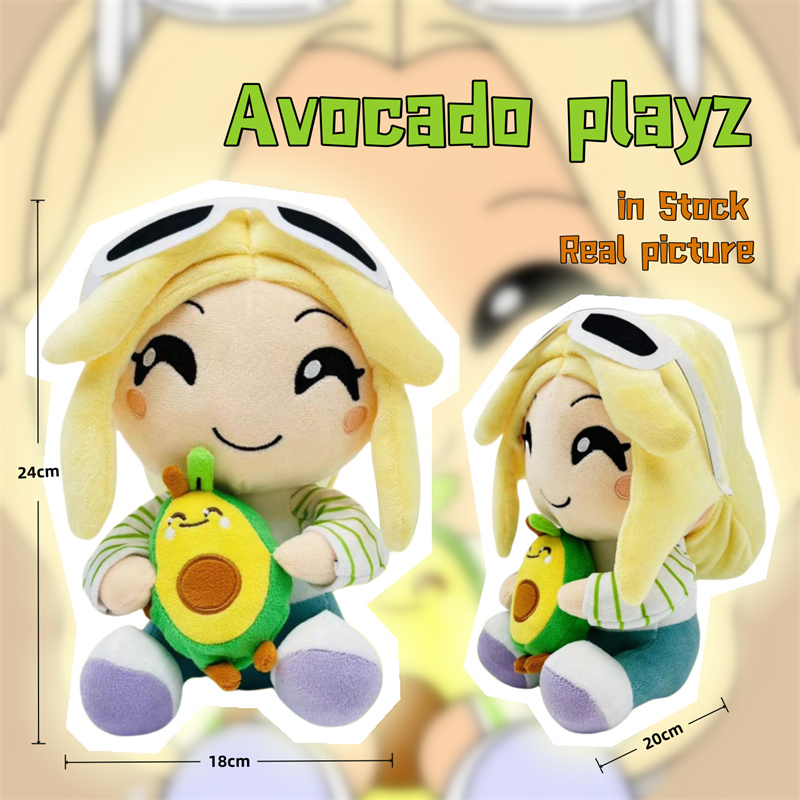
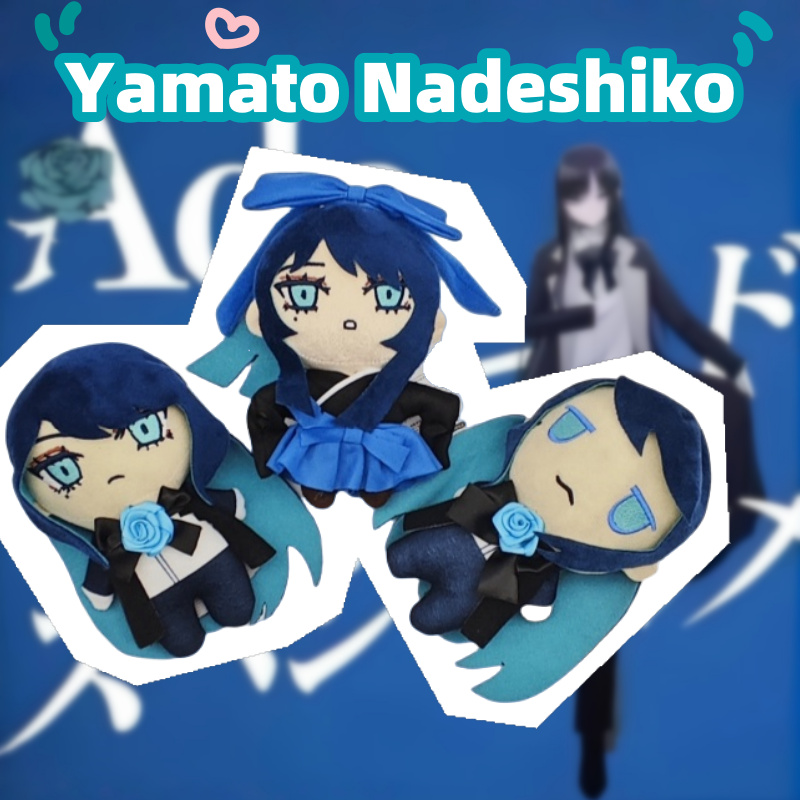
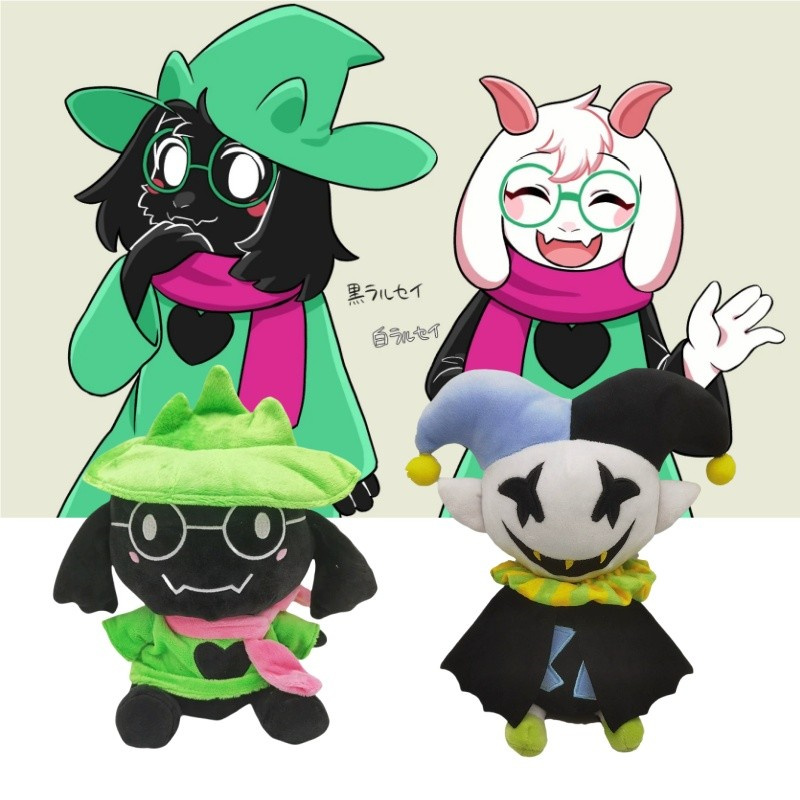
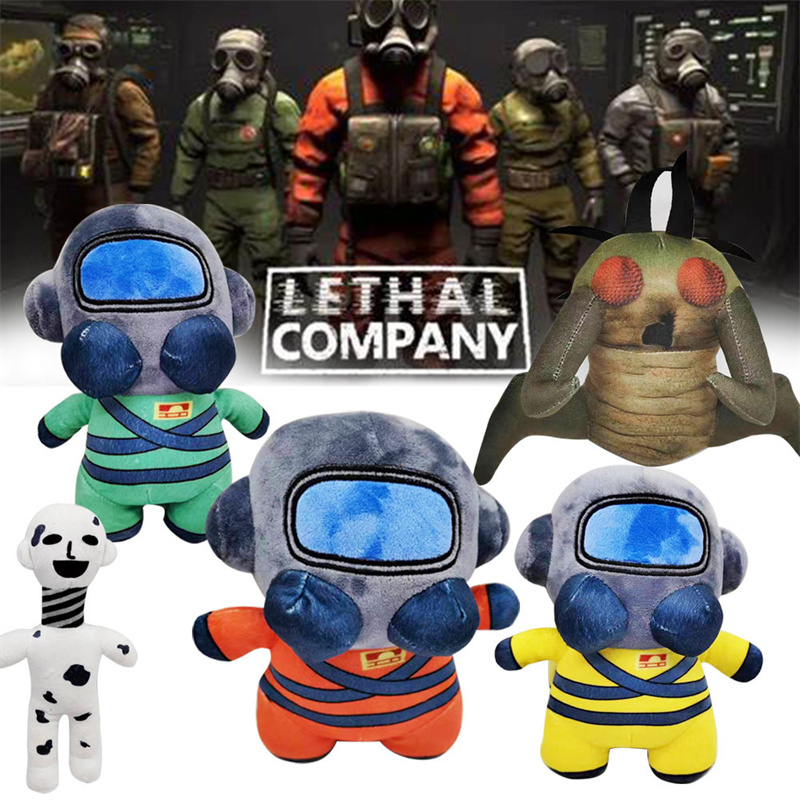
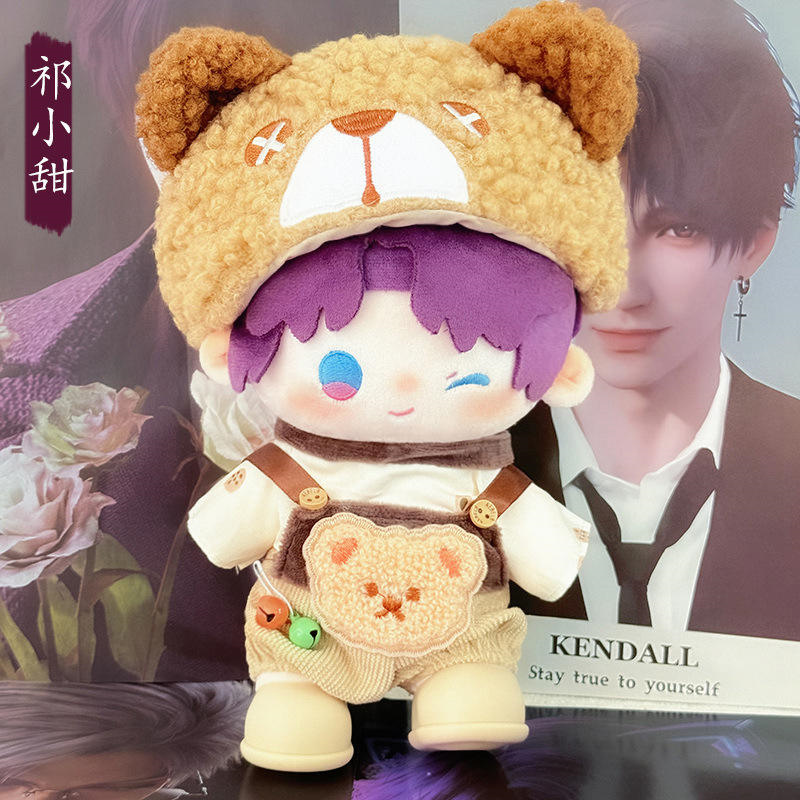
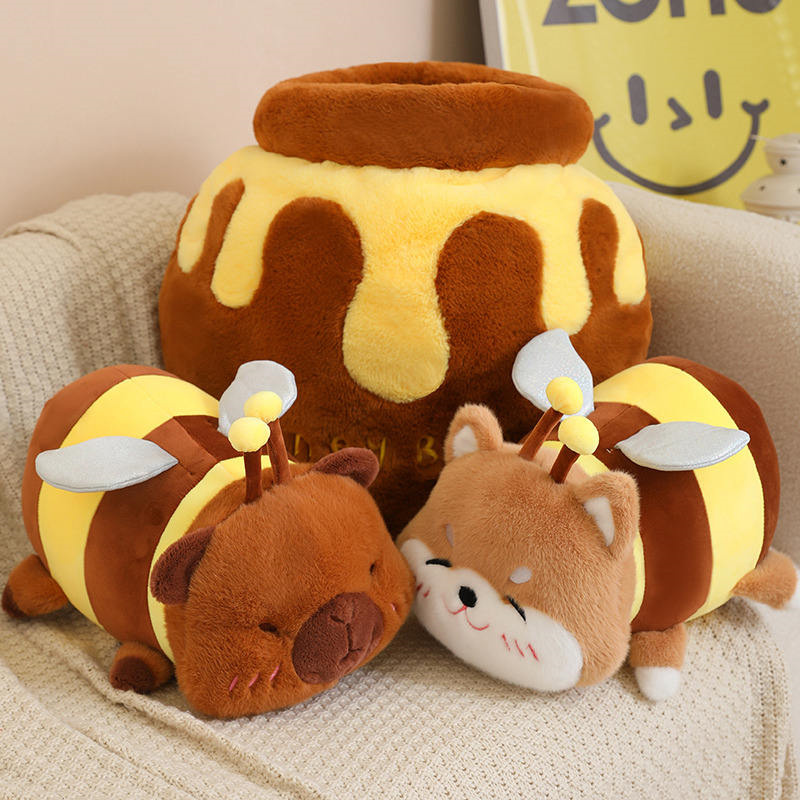
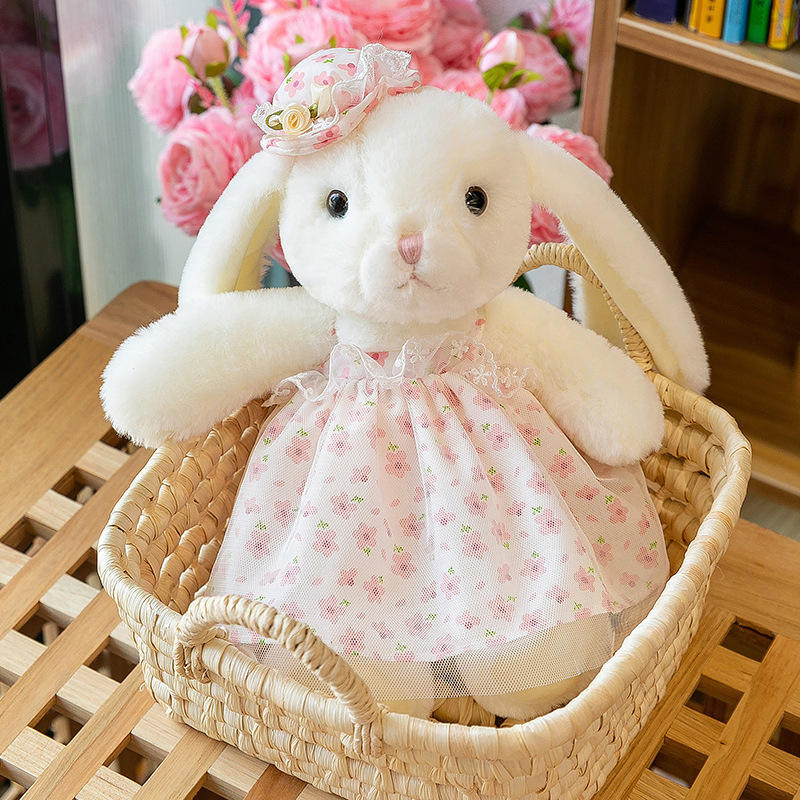
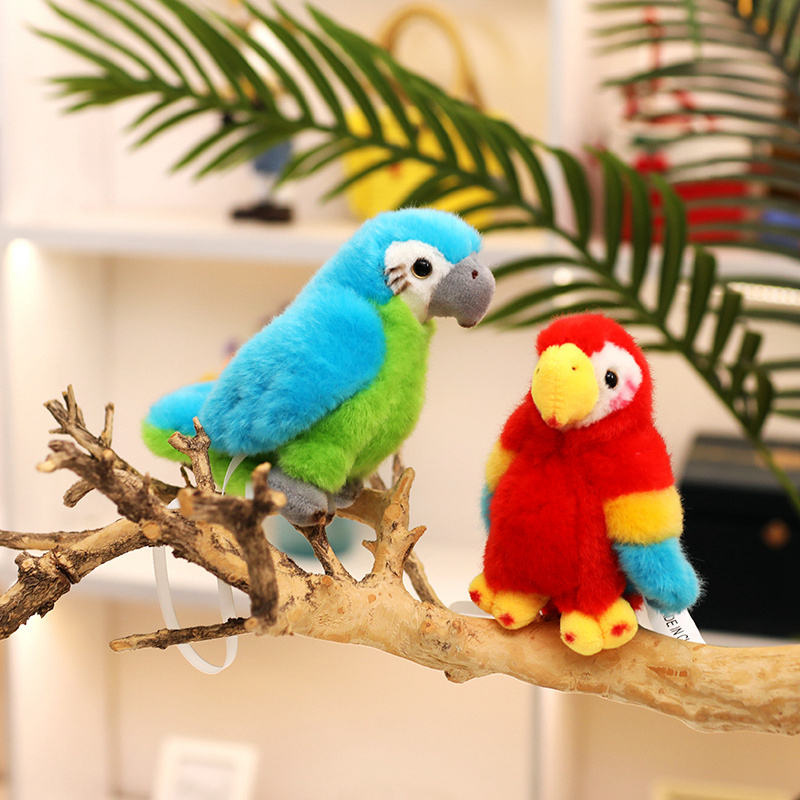
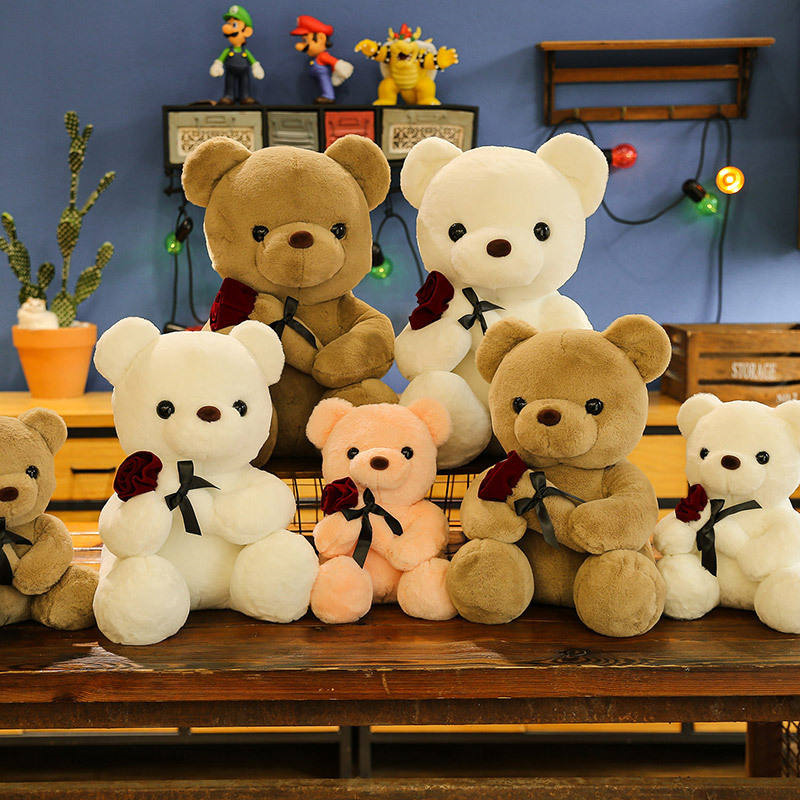
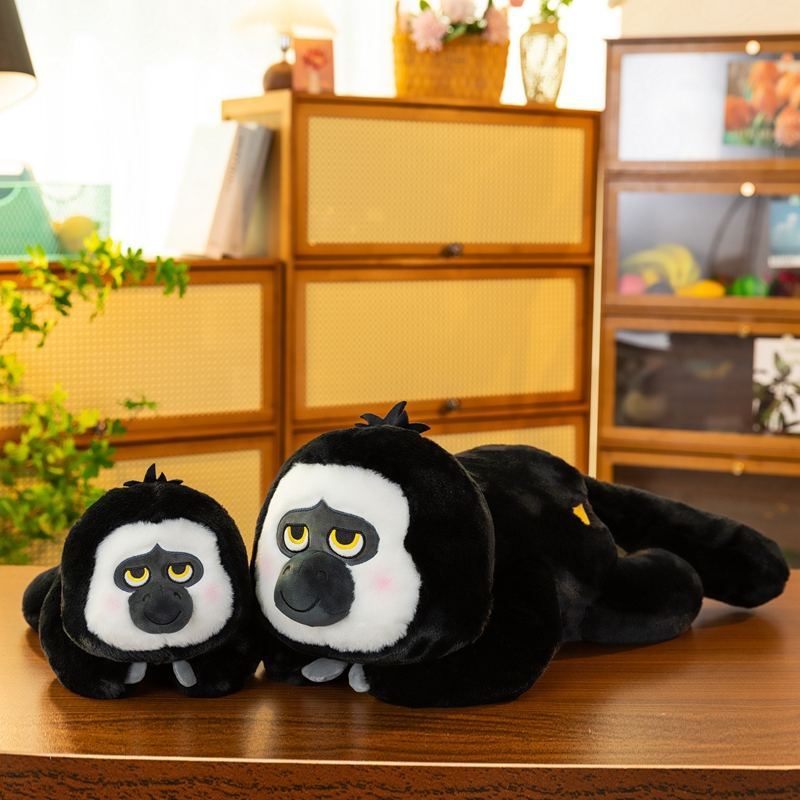
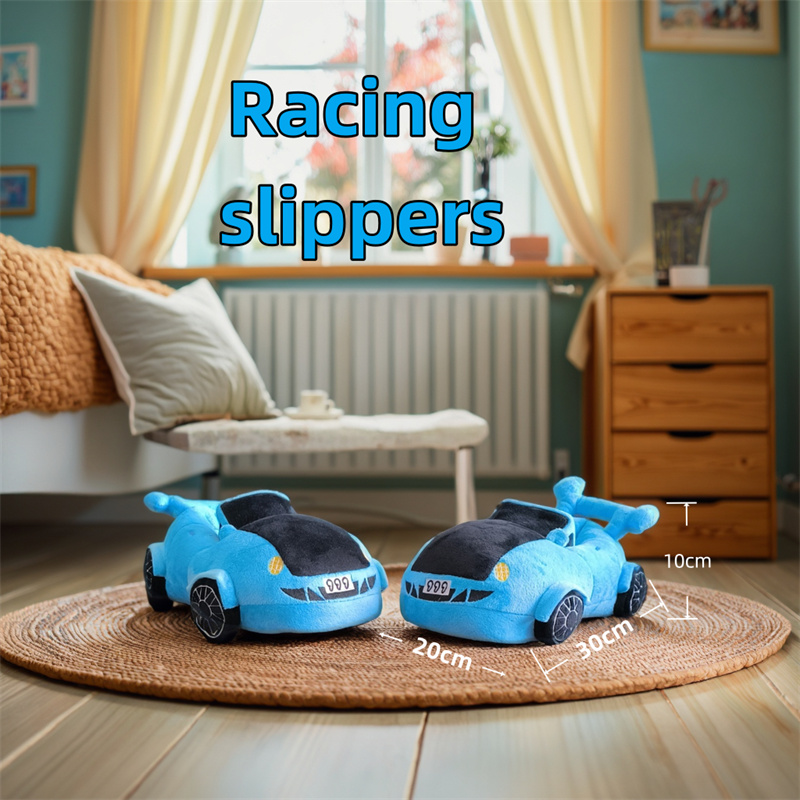
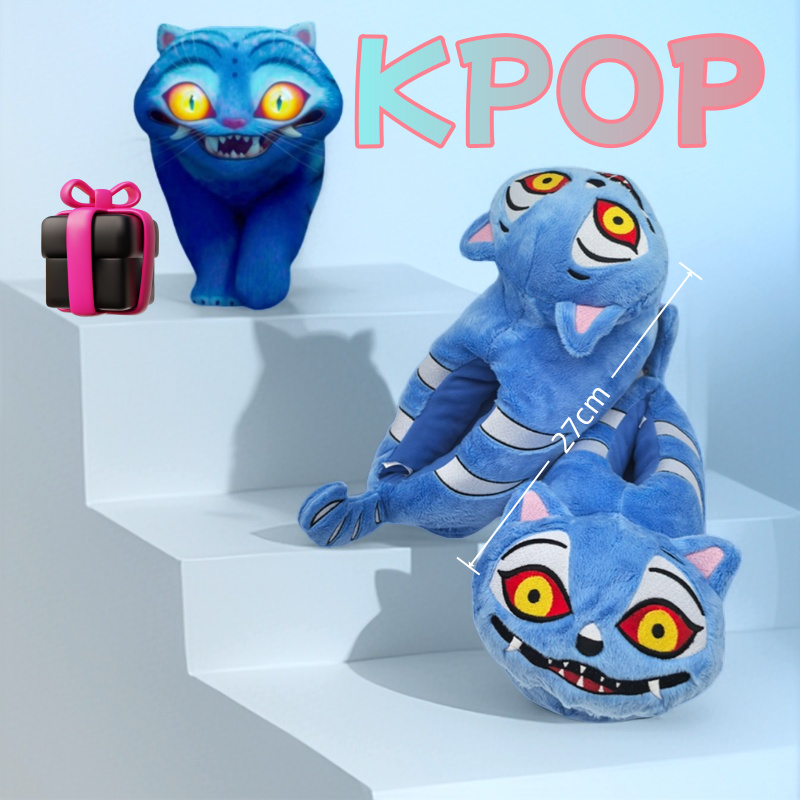
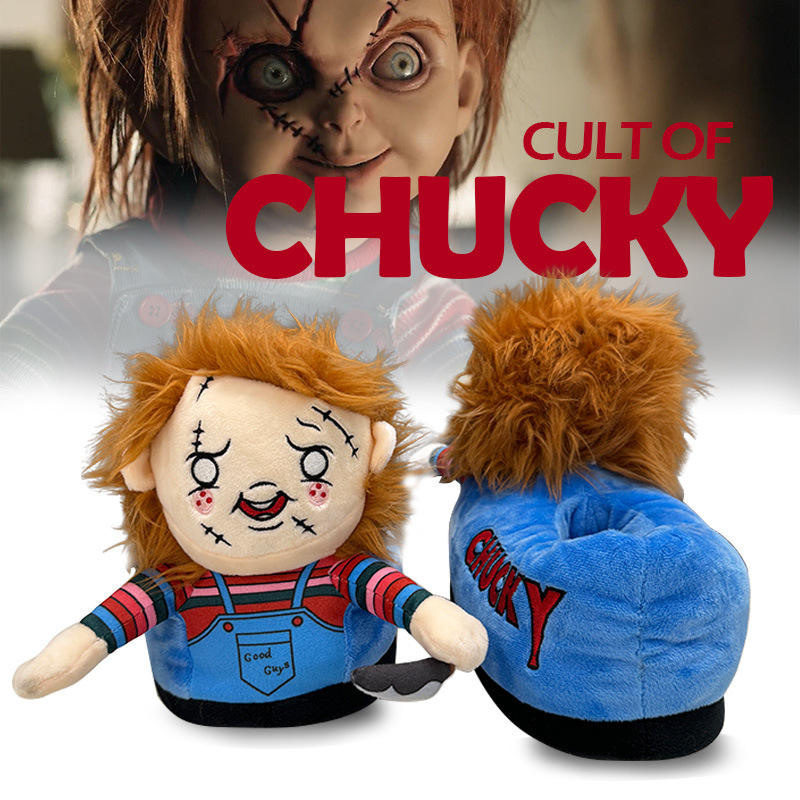
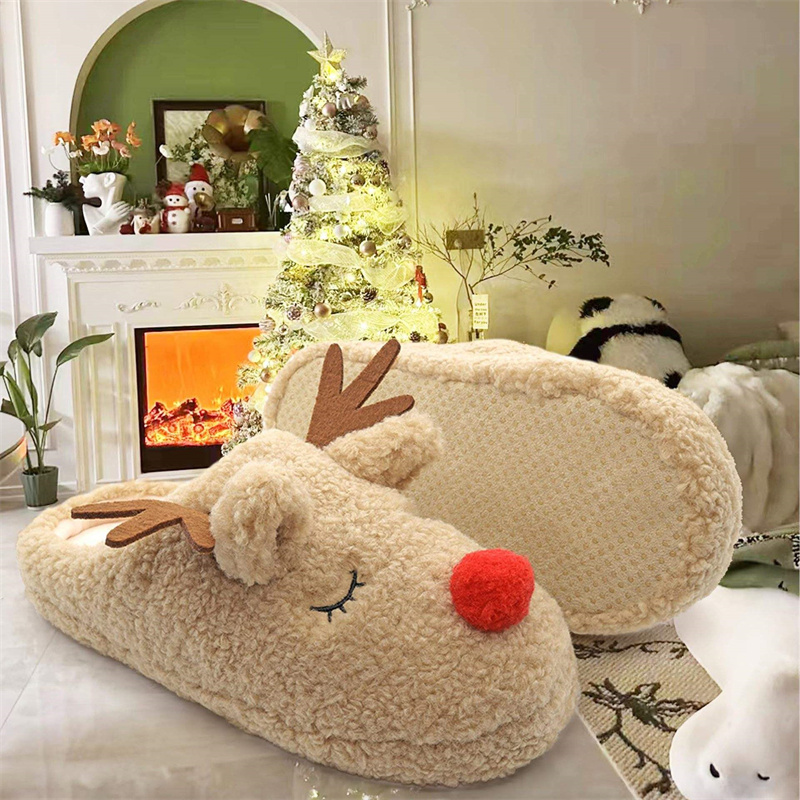
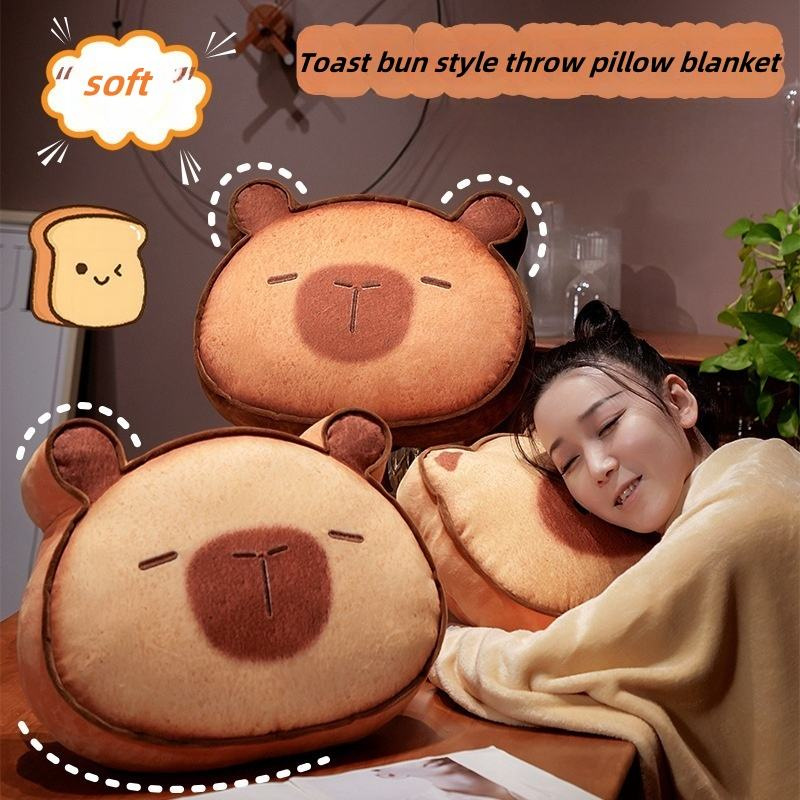
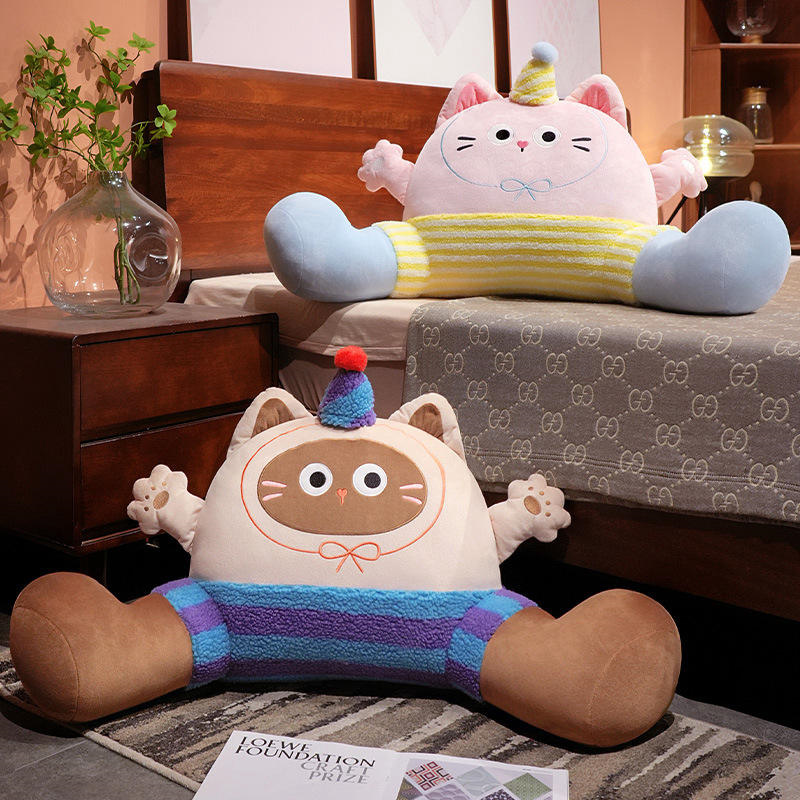
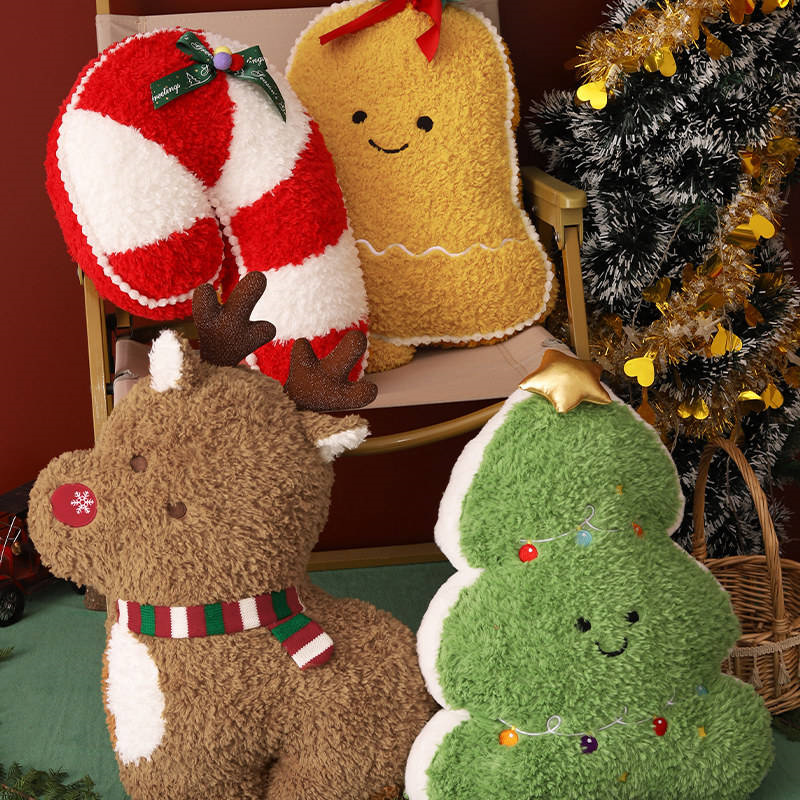
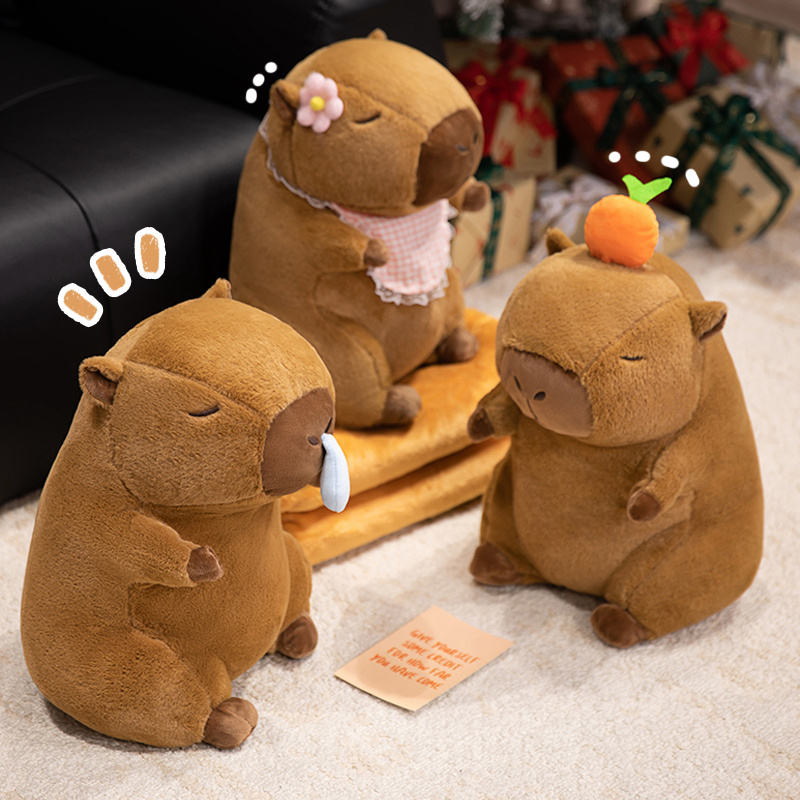
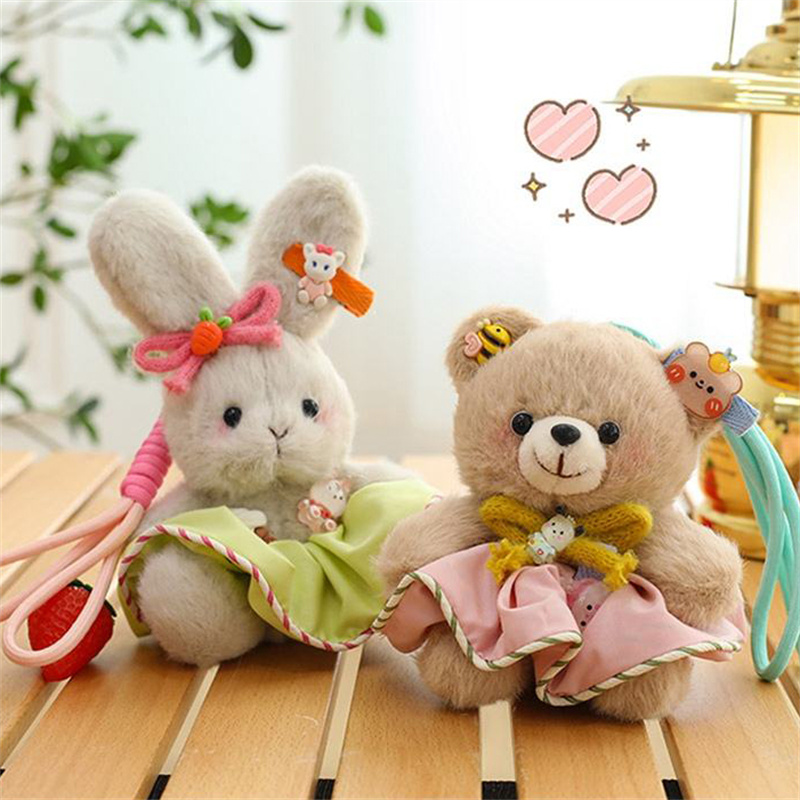
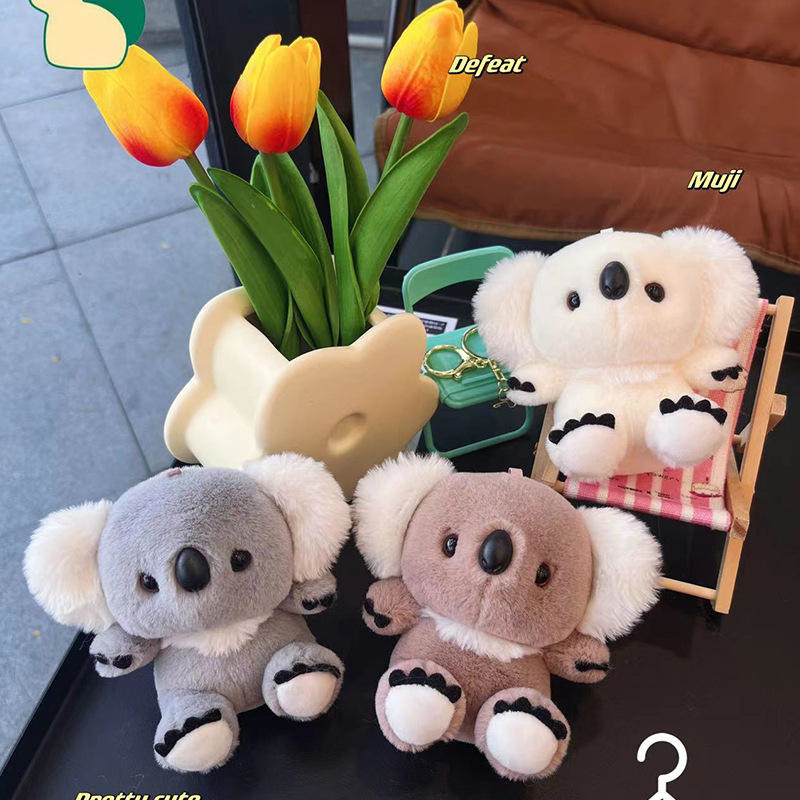
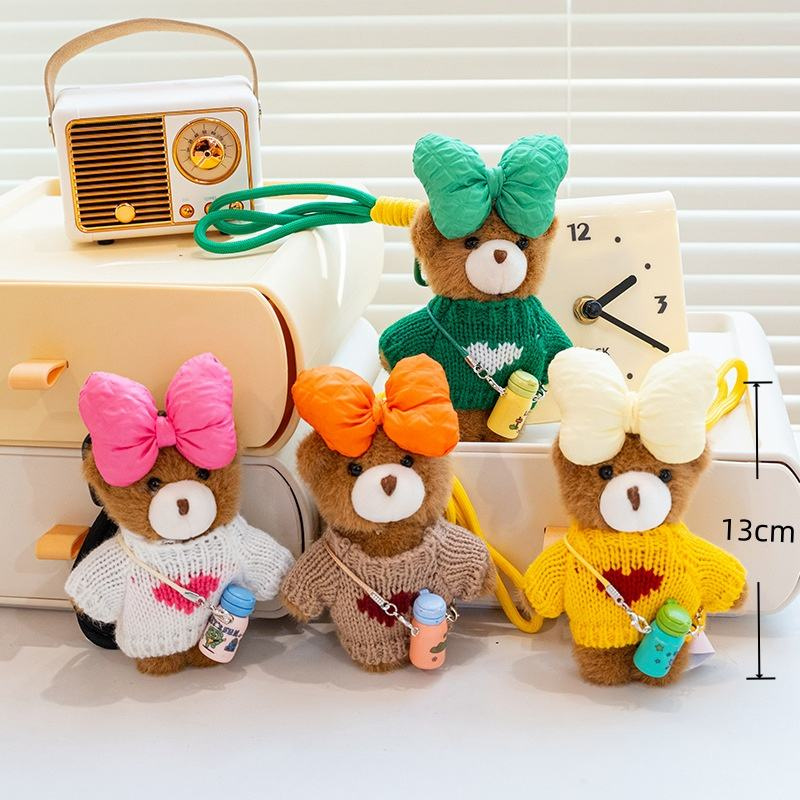
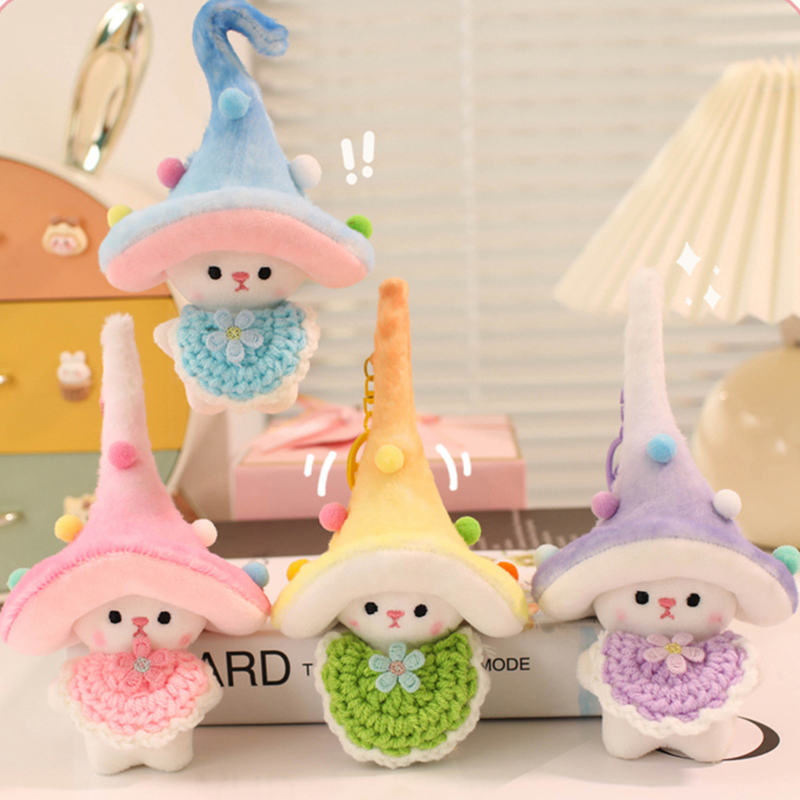
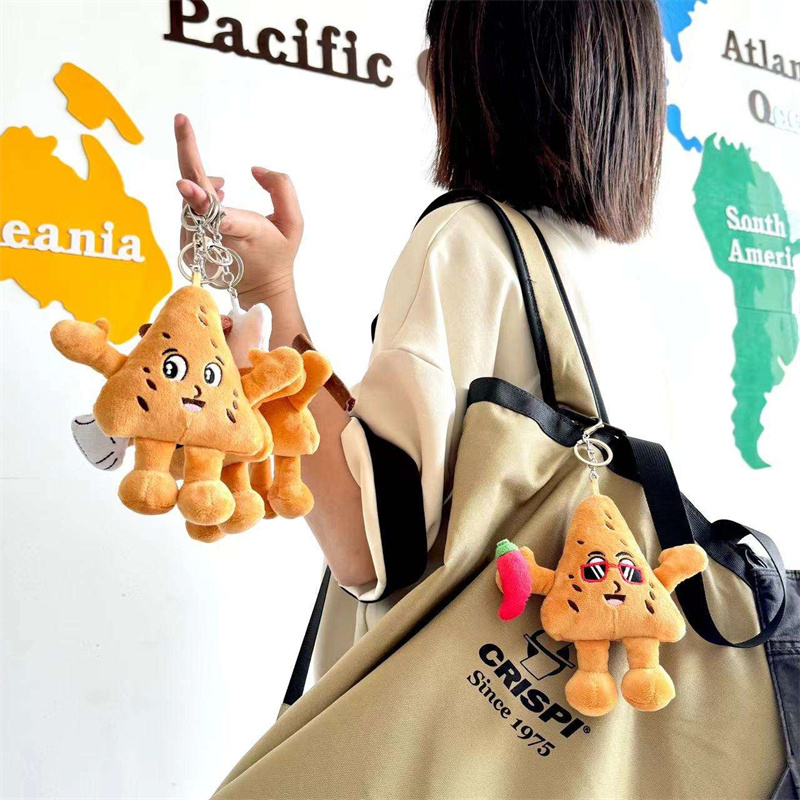

Simply send us your ideas or designs for plush dolls, stuffed animals, pillows, keychains, or slippers - we can't wait to bring your concepts to life.

Our team will create detailed patterns and provide the first sample for your feedback and approval.

Your custom plush products are made with the best materials and through strict quality control.
Efficient logistics ensure your brand merchandise reaches customers worldwide on schedule.
Quality Control Standards: Official brand merchandising demands uncompromising quality standards. Every plush toy must accurately represent the brand's character or mascot while meeting international safety regulations. Our manufacturing process includes multiple quality checkpoints, from initial material selection through final packaging, ensuring consistency across production runs. This rigorous approach protects brand reputation and ensures customer satisfaction.
Material Selection: Premium materials are fundamental to successful brand merchandise. We utilize certified fabrics, hypoallergenic filling materials, and durable construction techniques that ensure longevity. For brands prioritizing sustainability, we offer eco-friendly alternatives including recycled polyester, organic cotton, and biodegradable packaging options that align with corporate environmental commitments.
Scalability and Production Capacity: Brand merchandising projects often require flexibility in production volumes. Our manufacturing capabilities accommodate both limited edition runs of 500 units and mass production exceeding 100,000 pieces. This scalability ensures brands can test market response with smaller releases before committing to larger production runs, minimizing financial risk while maximizing market opportunity.
Intellectual Property Protection: We understand the critical importance of protecting brand intellectual property. Our facilities maintain strict confidentiality protocols, secure design storage systems, and controlled access to production areas. Non-disclosure agreements and licensing verification procedures ensure that proprietary designs remain protected throughout the manufacturing process.
Compliance and Certification: International brand merchandising requires adherence to various safety and quality standards. Our products meet or exceed requirements including CPSIA, EN71, ASTM F963, and other regional regulations. Comprehensive testing documentation and certification support brands in their compliance obligations across different markets.


