Leave Your Message
In today's competitive business landscape, brand mascots have evolved from simple logos to tangible, huggable companions that create emotional connections with customers. Stuffed pillow animals represent the perfect fusion of functionality and brand representation, offering companies a unique opportunity to transform their mascots into products that consumers want to keep, display, and interact with daily.
The plush toy industry has witnessed exponential growth in recent years, with the global market expected to reach $15.2 billion by 2027. Within this expanding market, custom brand mascot plushies have emerged as a particularly lucrative segment, driven by companies recognizing the immense value of three-dimensional brand ambassadors that can live in customers' homes, offices, and personal spaces.
Stuffed pillow animals serve as powerful marketing tools that extend far beyond traditional advertising. These tactile brand representations create lasting impressions, foster emotional connections, and generate organic brand awareness through daily use and social media sharing. Companies across industries—from tech startups to established corporations—are leveraging custom plush mascots to humanize their brands and create memorable customer experiences.
The application of stuffed pillow animals as brand mascots spans multiple industries, each discovering unique ways to leverage these products for marketing, customer engagement, and revenue generation. Technology companies have pioneered the use of plush mascots to soften their corporate image, with companies like GitHub (Octocat), Mailchimp (Freddie), and Reddit (Snoo) creating iconic stuffed versions of their digital mascots that have become highly sought-after collectibles.
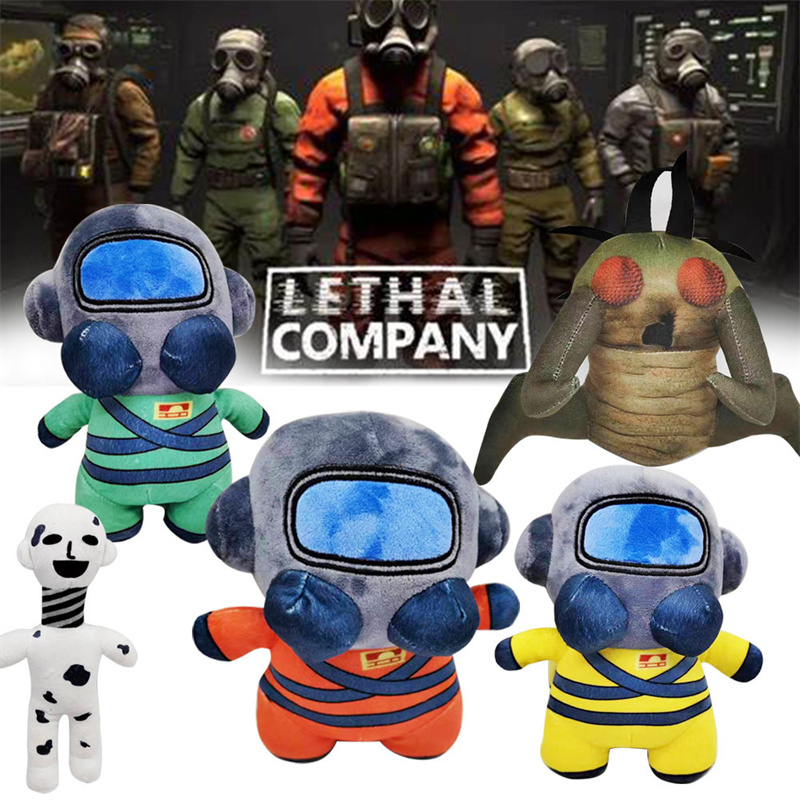
In the entertainment sector, streaming platforms, gaming companies, and content creators have recognized that plush mascots create tangible connections with digital experiences. Gaming companies particularly benefit from transforming in-game characters into stuffed pillow animals, allowing fans to bring their favorite virtual companions into the physical world. This cross-medium presence strengthens brand loyalty and creates additional revenue streams beyond digital products.
The food and beverage industry has long understood the appeal of mascot merchandise, but the evolution toward premium, functional stuffed pillow animals represents a significant upgrade from traditional promotional items. Restaurant chains, snack brands, and beverage companies now offer high-quality plush mascots that serve as both comfortable pillows and brand ambassadors, creating products that customers genuinely want to purchase rather than simply receive as promotions.
Custom stuffed pillow animals serve as premium corporate gifts that leave lasting impressions. Companies use branded plush mascots for employee recognition, client appreciation, and trade show giveaways, creating memorable touchpoints that traditional promotional items cannot match.
Brand mascot plushies have become significant revenue generators for companies with strong brand identities. Limited edition releases, seasonal variations, and exclusive designs create collectible value and drive repeat purchases from dedicated brand enthusiasts.
Stuffed pillow animals amplify marketing campaigns by providing shareable, photographable products that generate organic social media content. Customers naturally share images of their plush mascots, creating authentic user-generated content that extends campaign reach.
Internal brand culture strengthens when employees can display company mascots in their workspaces. Plush mascots foster team identity, create conversation starters, and serve as physical reminders of company values and mission.
Exclusive mascot plushies reward customer loyalty and incentivize desired behaviors. Limited availability and member-only designs create perceived value that strengthens emotional connections between customers and brands.
Educational institutions and non-profit organizations use mascot plushies to build community identity, support fundraising efforts, and create tangible connections with their missions. These organizations benefit from the emotional appeal of stuffed animals while promoting their causes.
The production of brand mascot stuffed pillow animals requires specialized expertise that balances aesthetic appeal, functional comfort, and brand accuracy. Modern manufacturing capabilities enable unprecedented customization options, allowing brands to translate their unique identities into plush form with remarkable precision.
Advanced design processes begin with detailed consultations to understand brand guidelines, target audiences, and intended applications. Professional designers create digital prototypes that capture character personality, ensure brand consistency, and optimize for manufacturing feasibility. This collaborative approach ensures that the final product authentically represents the brand while meeting practical requirements for comfort, durability, and safety.
Material selection plays a crucial role in creating premium stuffed pillow animals that reflect positively on brand quality. High-grade plush fabrics provide the softness and visual appeal that customers expect, while specialized filling materials ensure optimal pillow functionality. Attention to details like stitching quality, color matching, and structural integrity differentiates professional brand mascots from generic promotional items.
The stuffed pillow animal market for brand mascots continues evolving with emerging trends that create new opportunities for innovative companies. Sustainability has become a critical consideration, with increasing demand for eco-friendly materials, ethical manufacturing practices, and recyclable packaging. Brands that prioritize environmental responsibility in their mascot production align with consumer values and differentiate themselves in crowded markets.
Technological integration represents another frontier for brand mascot innovation. Smart plushies incorporating NFC chips, QR codes, or augmented reality features bridge physical and digital brand experiences. These enhanced mascots unlock exclusive content, facilitate gamification, and provide measurable engagement data that helps brands understand customer interactions.
Personalization capabilities have expanded beyond basic customization to include individual naming, custom messages, and unique variations that make each mascot feel special to its owner. This mass customization approach creates emotional investment while maintaining manufacturing efficiency through flexible production systems.
The rise of direct-to-consumer business models has transformed how brands distribute mascot merchandise. E-commerce platforms enable companies to offer mascot plushies directly to customers worldwide, eliminating intermediaries and building direct relationships. This approach provides better margins, customer data insights, and opportunities for exclusive online releases that generate excitement and urgency.
Cutting-edge manufacturing techniques now enable complex designs previously impossible in plush production. Multi-material combinations, intricate embroidery, and precise color matching ensure that brand mascots accurately represent even the most detailed logos and characters. Rapid prototyping capabilities allow brands to iterate designs quickly, testing multiple concepts before committing to full production runs.
Professional manufacturers of brand mascot plushies adhere to rigorous quality standards and safety regulations. International certifications such as CE, ASTM F963, and EN71 ensure that products meet safety requirements for all age groups. These certifications are particularly important for brands targeting family audiences or distributing mascots in regulated markets.
Quality control processes include material testing, construction inspections, and finished product evaluations. Each production batch undergoes scrutiny to ensure consistency, durability, and adherence to approved prototypes. This attention to quality protects brand reputation and ensures customer satisfaction with every mascot produced.
Working with experienced plush manufacturers provides brands with strategic advantages beyond production capabilities. Established factories offer market insights, design recommendations, and logistical expertise that streamline the path from concept to customer. Their experience with diverse industries and mascot types helps brands avoid common pitfalls and optimize their mascot strategies.
Flexible minimum order quantities enable both emerging brands and established corporations to produce mascot plushies at appropriate scales. This flexibility supports product testing, limited releases, and large-scale campaigns without requiring excessive inventory commitments. Scalable production capabilities allow brands to respond quickly to demand fluctuations and market opportunities.
Successful brand mascot plushies extend beyond physical products to become central elements of comprehensive marketing narratives. Brands that develop rich backstories, personalities, and adventures for their mascots create deeper engagement opportunities. These narratives provide content for social media, packaging, and marketing campaigns that bring mascots to life and encourage customer participation.
The unboxing experience has become a crucial element of mascot marketing, with premium packaging, included accessories, and surprise elements creating shareable moments that generate organic publicity. Thoughtful presentation elevates perceived value and demonstrates brand attention to detail, turning product delivery into memorable brand experiences.




custom plush doll



Custom Stuffed Animals



custom plush slippers



custom plush pillows

custom plush Keychain
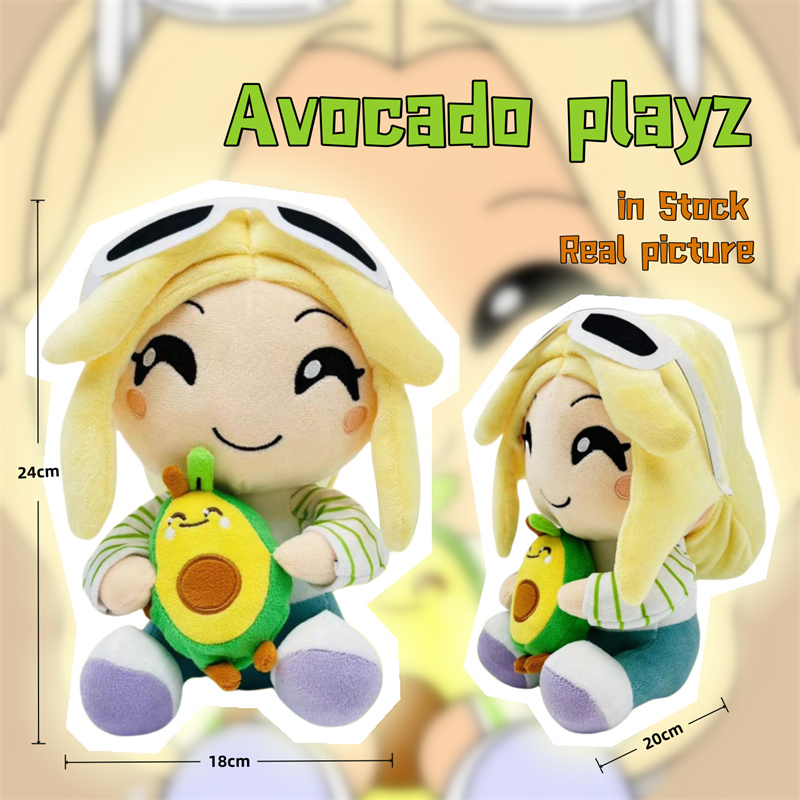
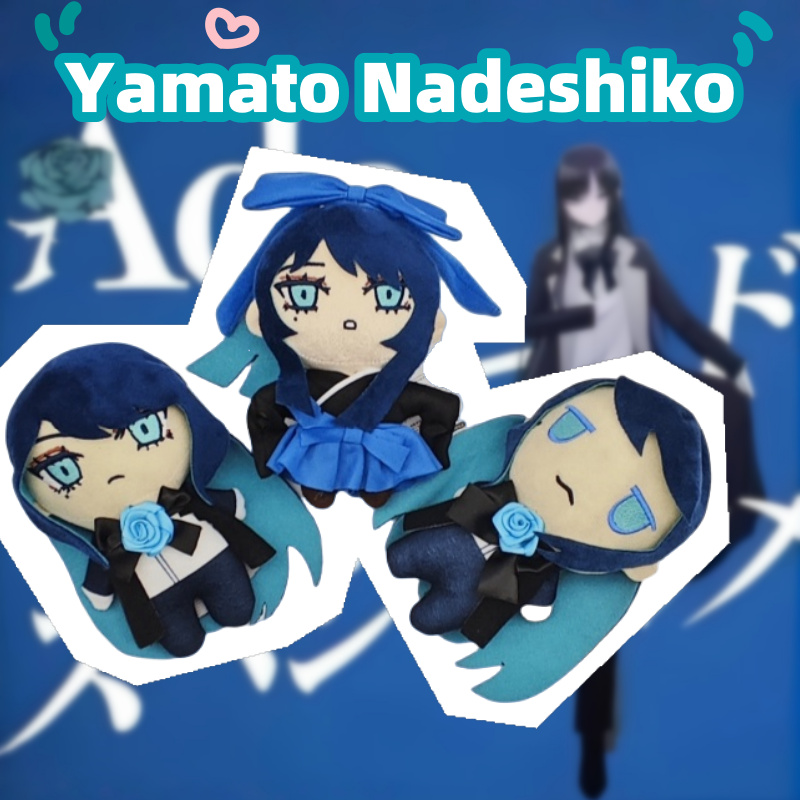
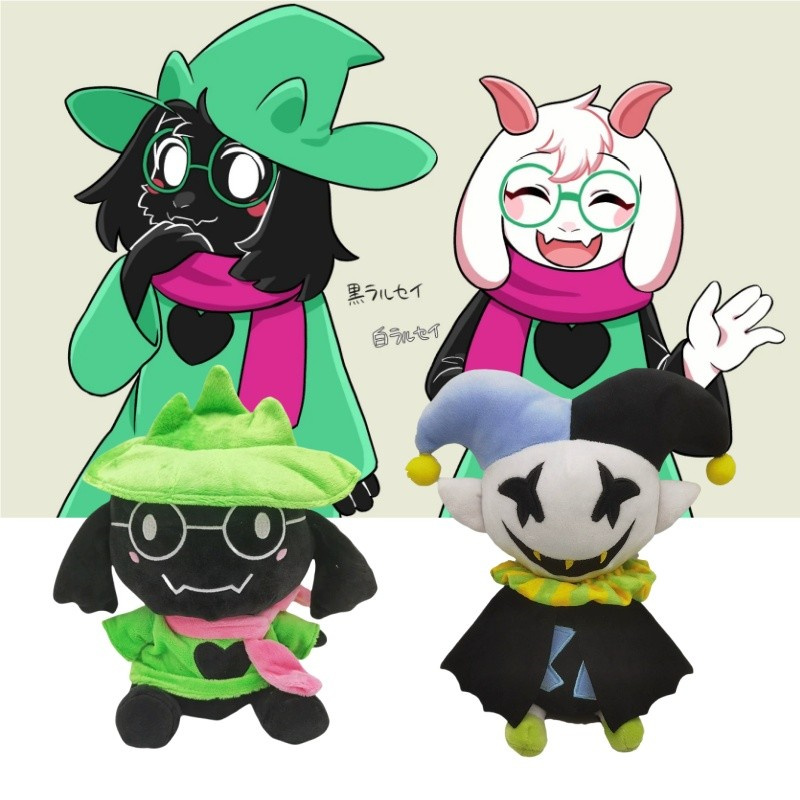
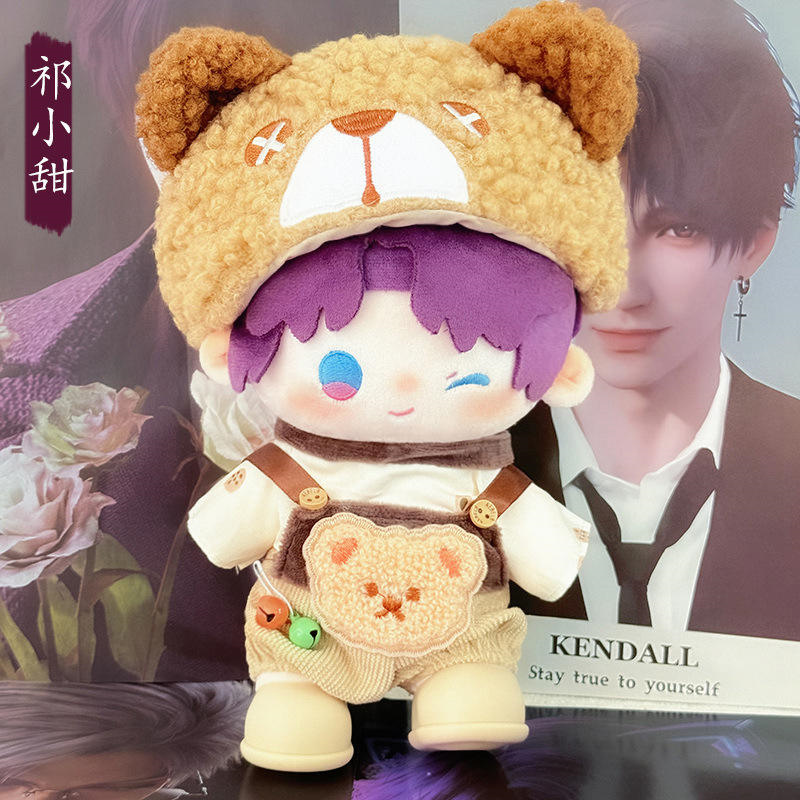
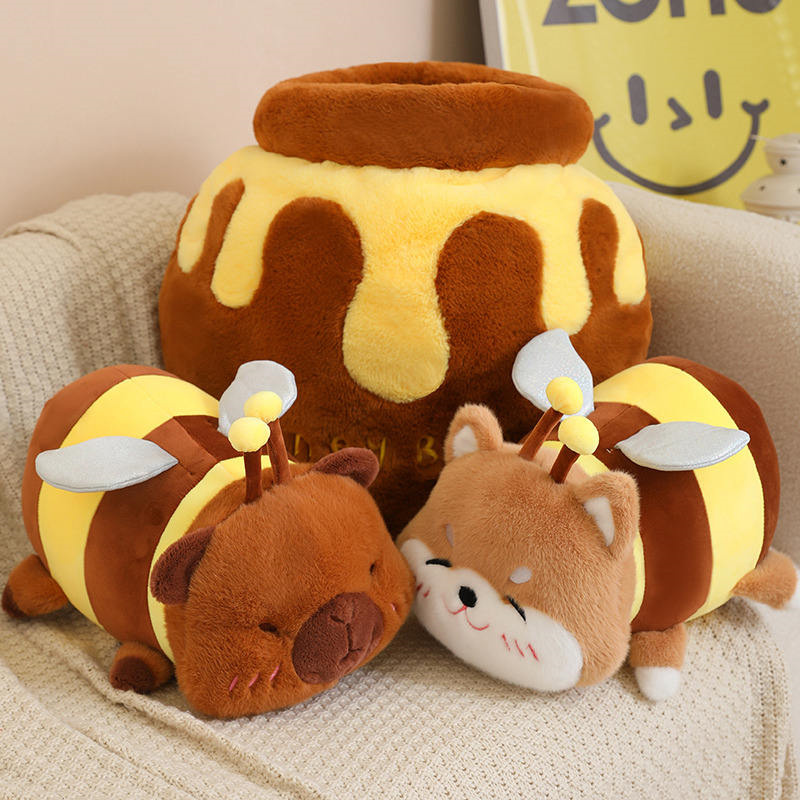
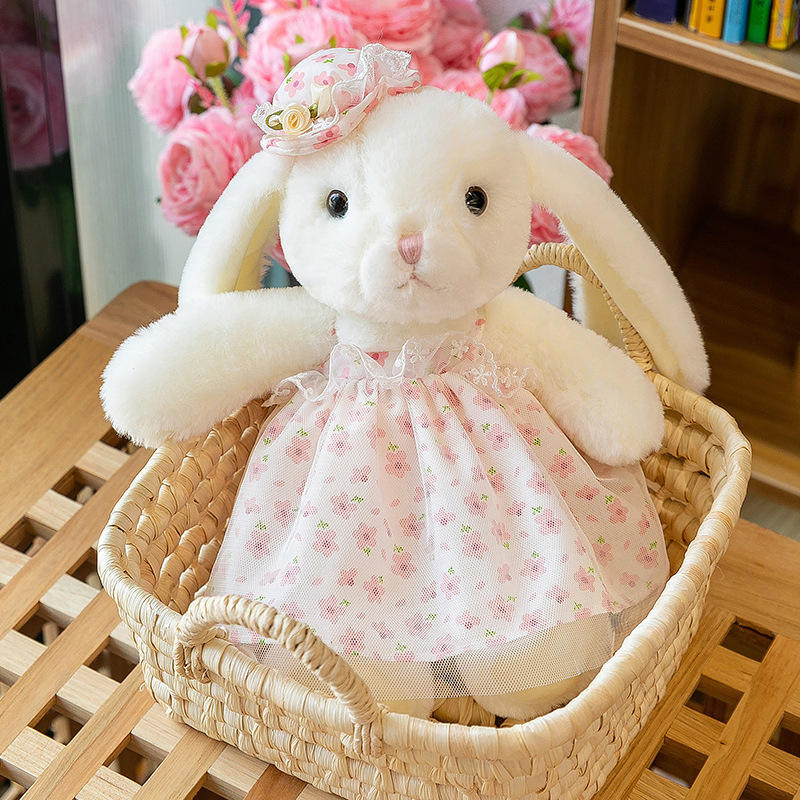
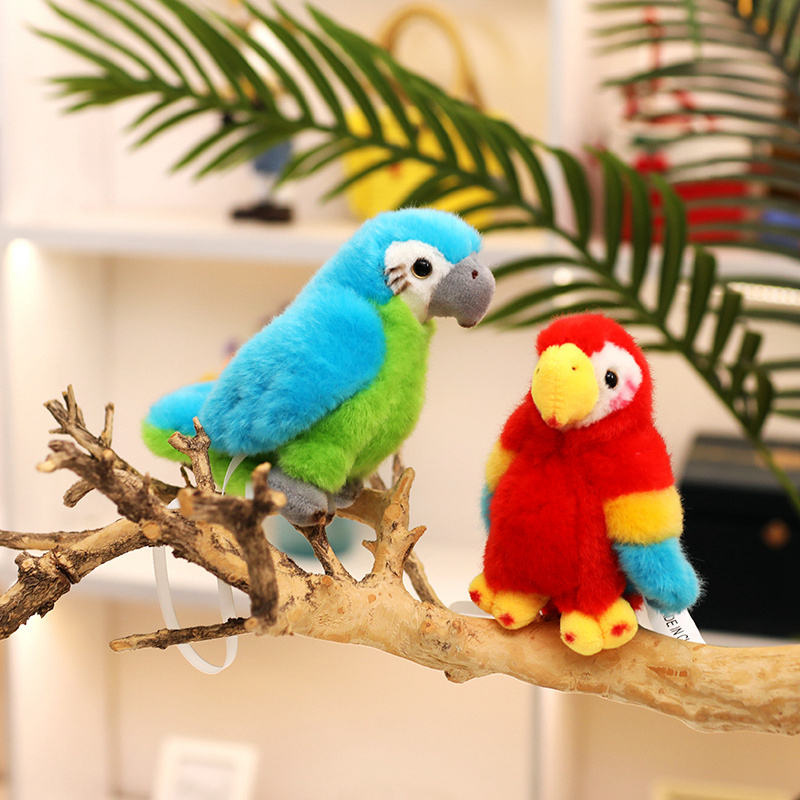
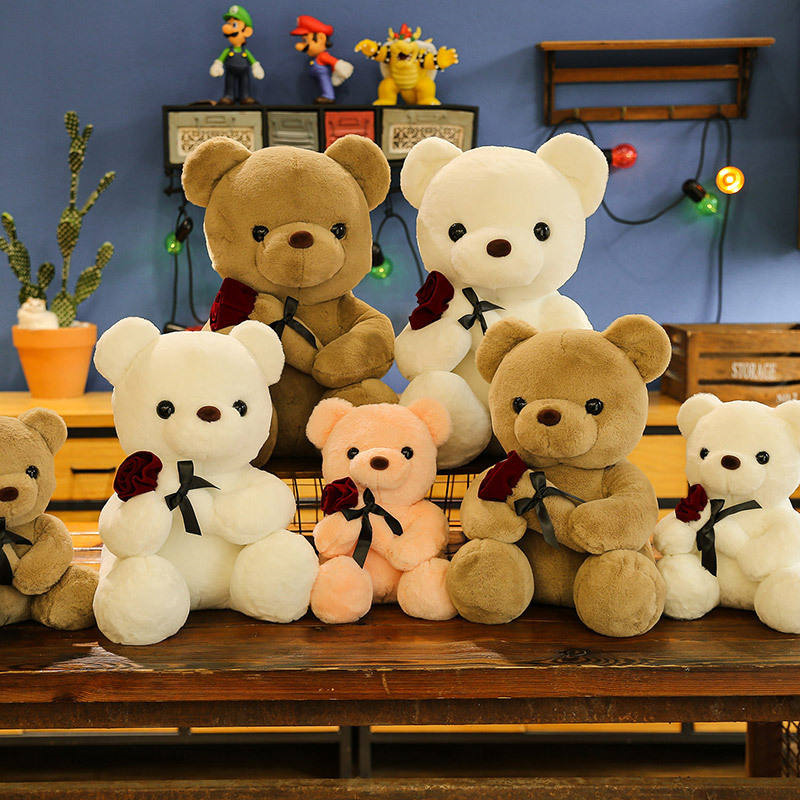
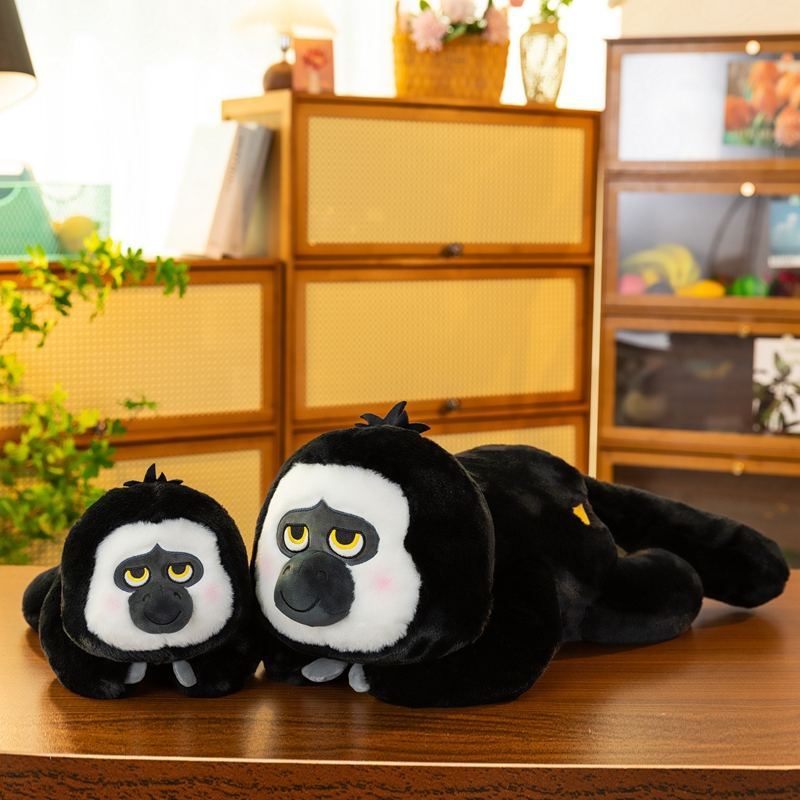
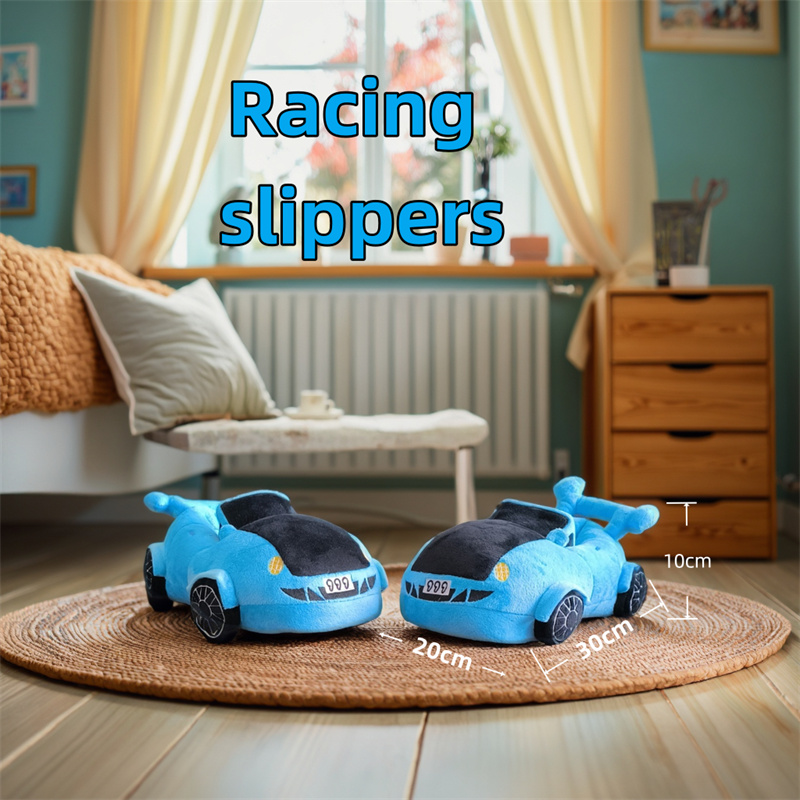
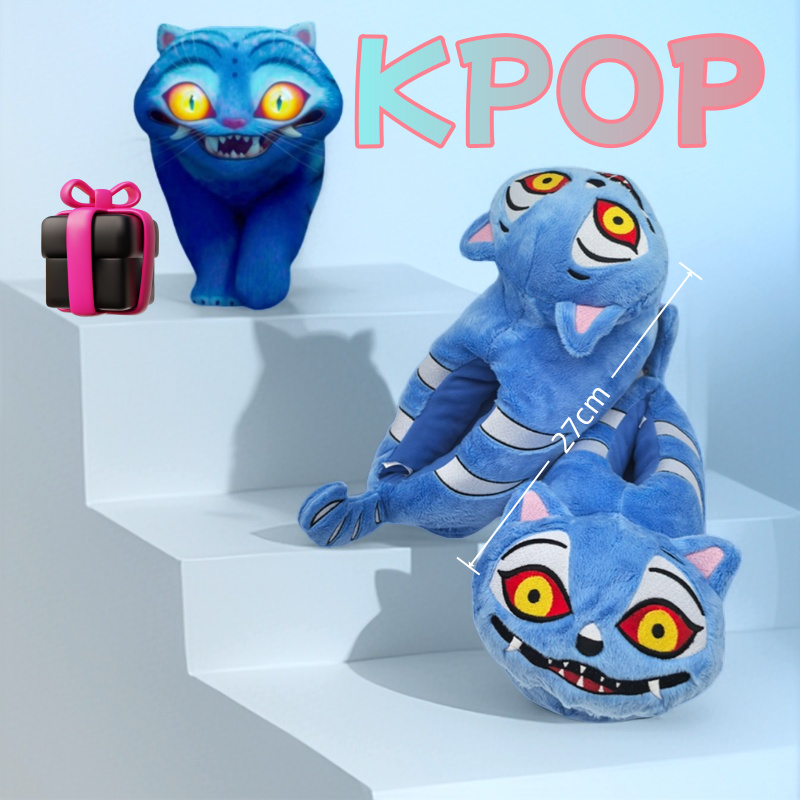
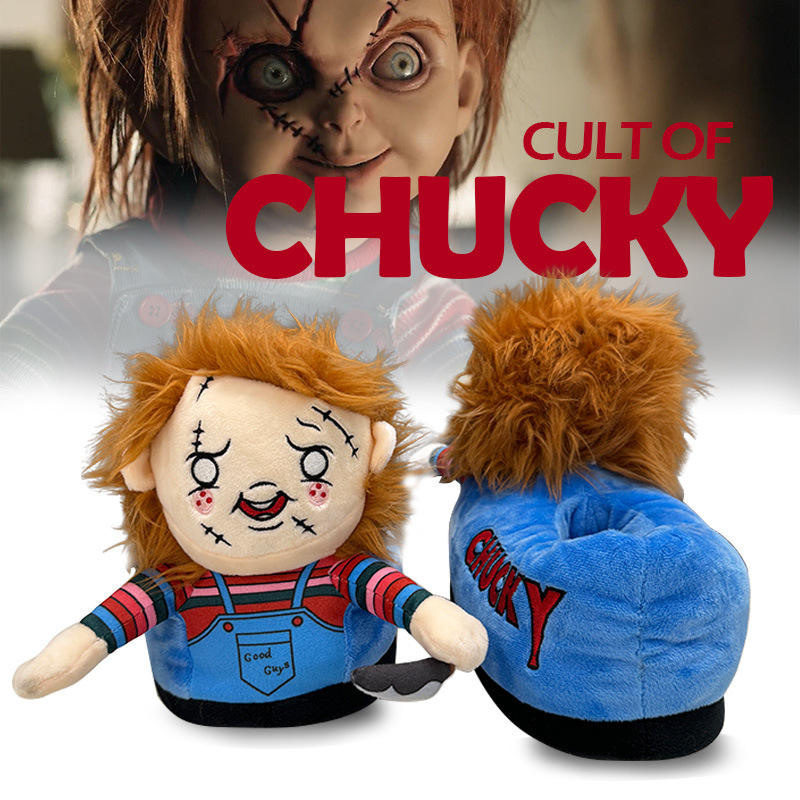
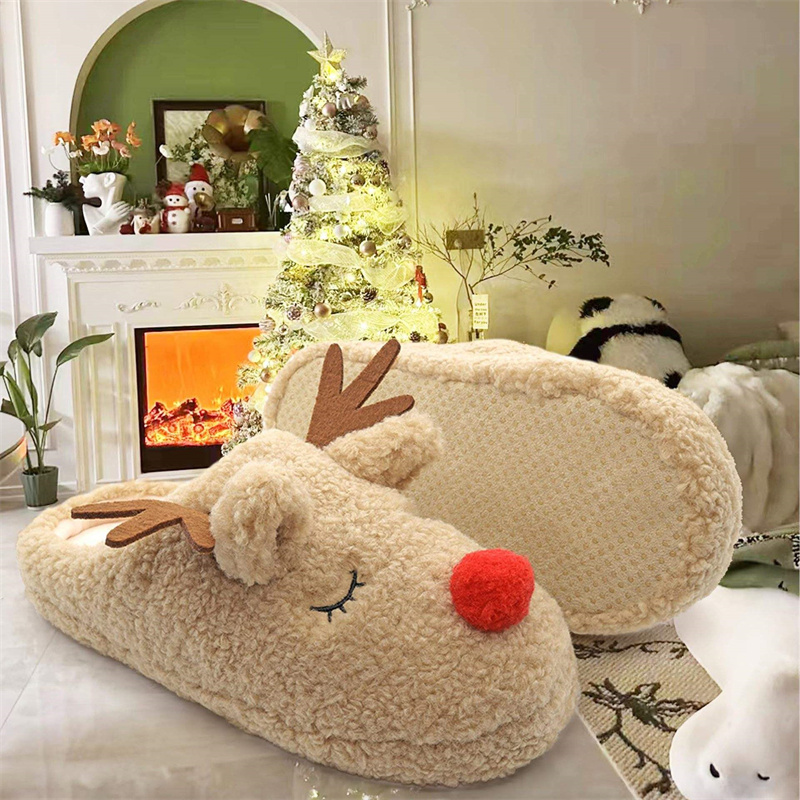
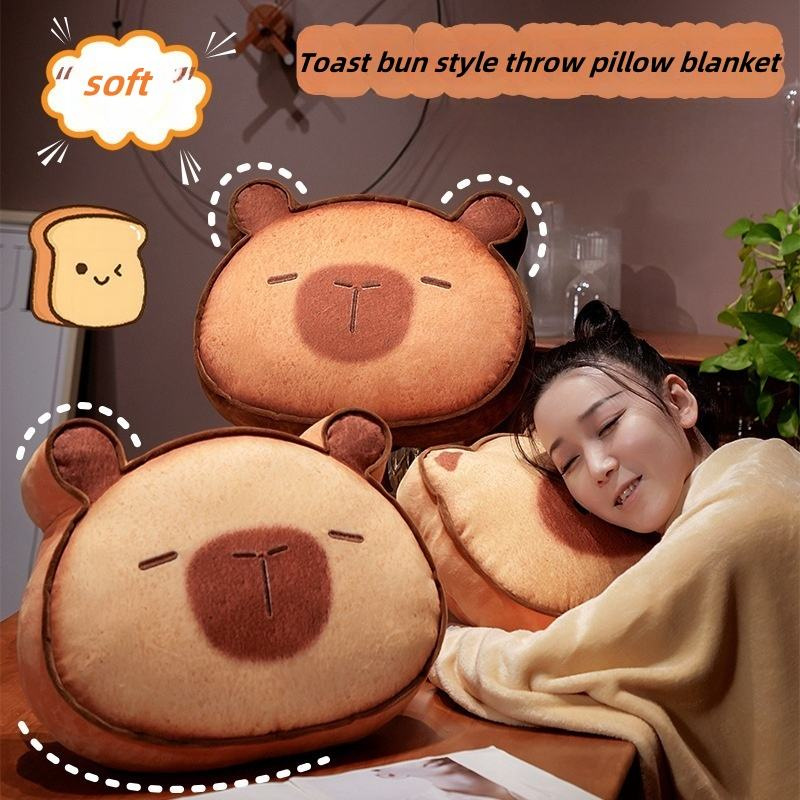
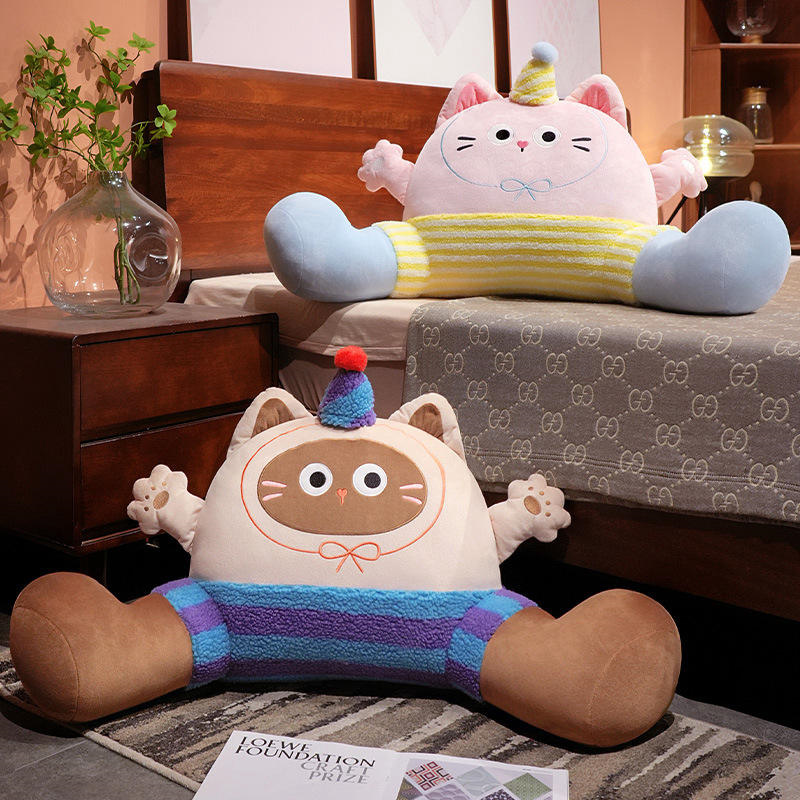
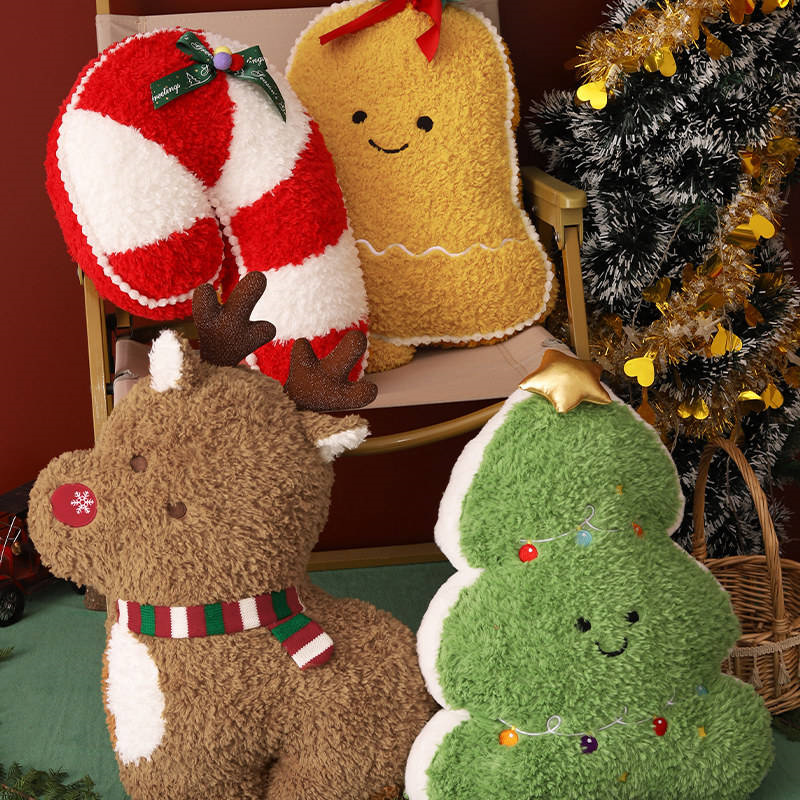
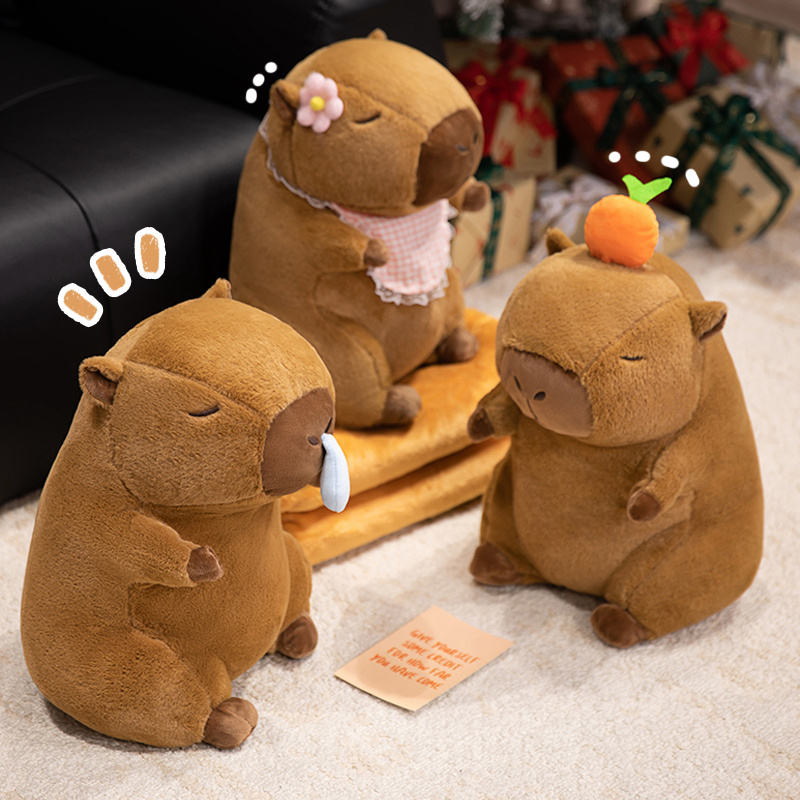
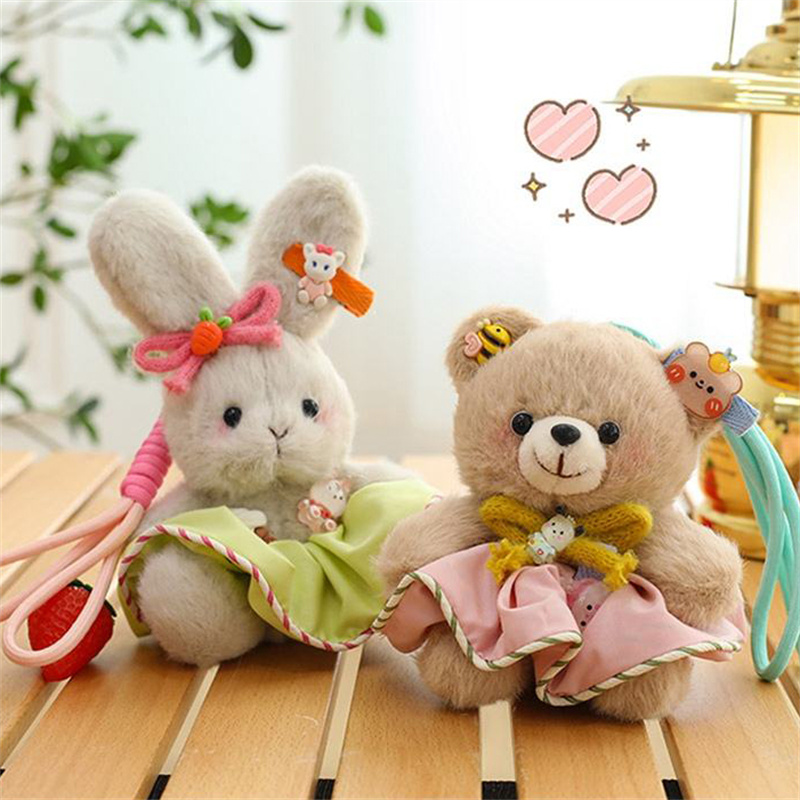
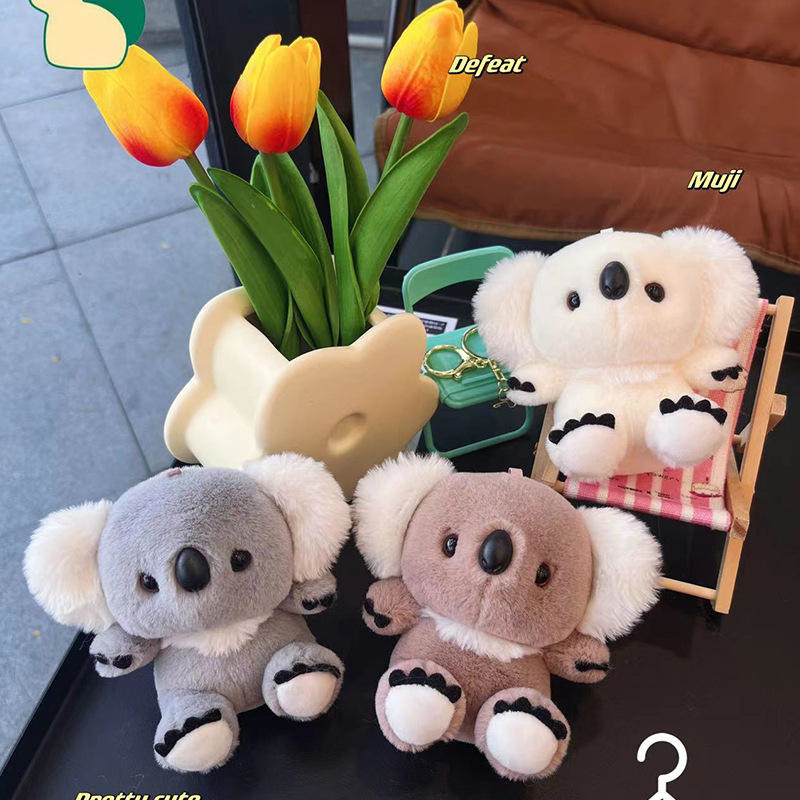
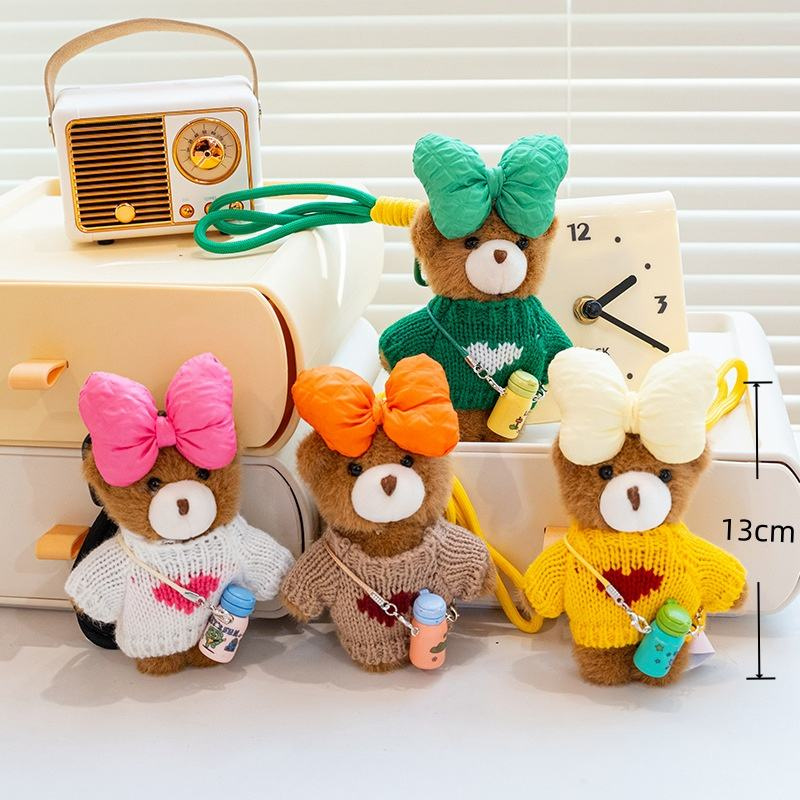
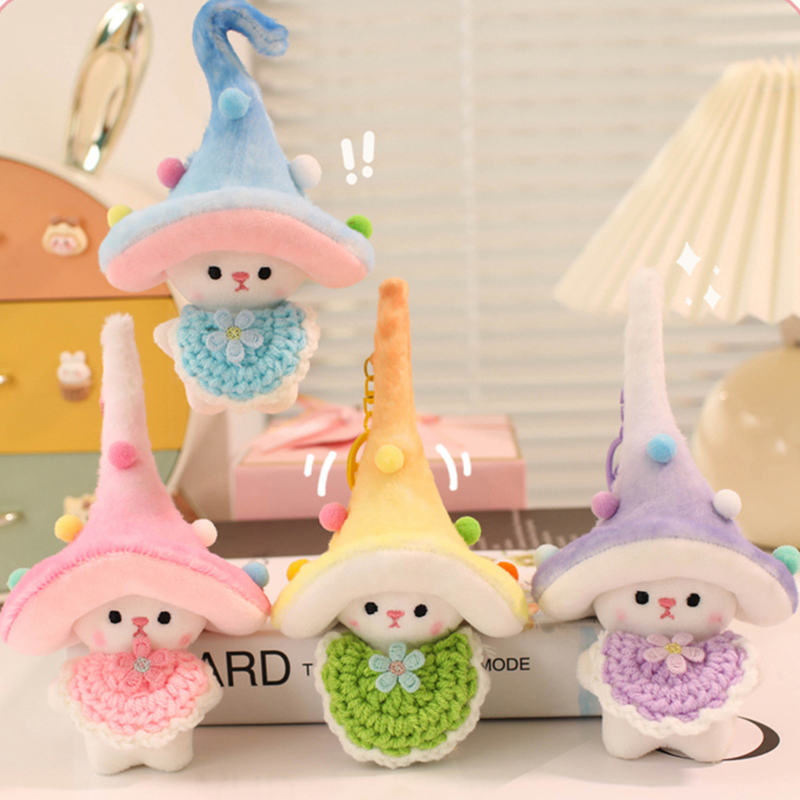
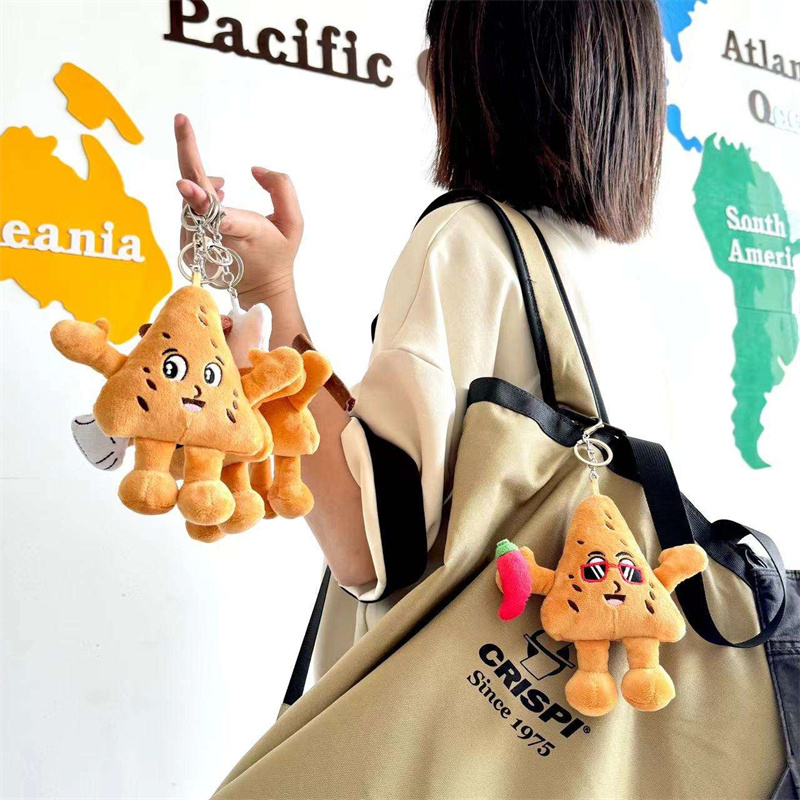

Simply send us your ideas or designs for plush dolls, stuffed animals, pillows, keychains, or slippers. - we can't wait to bring your concepts to life.

Our team will create detailed patterns and provide the first sample for your feedback and approval.

Your custom plush products are made with the best materials and through strict quality control.
Reliable shipping solutions ensure your brand mascots reach customers worldwide safely and on schedule.


