Leave Your Message
In recent years, the home decor industry has witnessed a remarkable transformation in how consumers perceive and utilize stuffed dolls. No longer confined to children's bedrooms, these charming plush companions have evolved into sophisticated decorative elements that add personality, warmth, and character to living spaces across the globe. The global plush toys market, valued at approximately $8.7 billion in 2023, is projected to reach $12.4 billion by 2030, with home decor applications representing one of the fastest-growing segments.
This paradigm shift reflects broader lifestyle trends where consumers increasingly seek to create personalized, Instagram-worthy interiors that express their unique identities and interests. Stuffed dolls for home decor have become essential elements in achieving the coveted "cozy aesthetic" that dominates contemporary interior design philosophy. From minimalist Scandinavian apartments featuring carefully curated character plushies to maximalist bohemian spaces adorned with eclectic collections, these versatile decorative pieces transcend traditional design boundaries.
Modern stuffed dolls serve multiple purposes beyond aesthetic appeal. They function as conversation starters, comfort objects for adults experiencing stress, decorative pillows that add softness to furniture arrangements, and collectible art pieces that appreciate in value over time. This multifunctionality has positioned them as smart investments for homeowners looking to maximize both style and practicality.
The commercial landscape for stuffed dolls in home decor has experienced unprecedented expansion, driven by several converging factors. E-commerce platforms have democratized access to specialized plush products, allowing independent designers and manufacturers to reach global audiences. Social media platforms, particularly Instagram, Pinterest, and TikTok, have created viral trends around specific character plushies and styling techniques, accelerating market demand exponentially.
Industry analysis reveals that the average consumer now allocates 15-20% of their home decor budget to soft furnishings and decorative accessories, with stuffed dolls capturing an increasing share of this spending. The rise of "kidult" culture—where adults embrace childhood nostalgia—has created a massive demographic of consumers aged 25-45 who actively purchase plush items for their personal spaces. This segment alone accounts for approximately 40% of the total market value.
Wholesale channels have adapted to meet this burgeoning demand by offering lower minimum order quantities, enabling boutique retailers and interior designers to stock diverse collections without excessive inventory risk. Manufacturers like those based in Yangzhou, China—the global epicenter of plush production—have streamlined production processes to accommodate rapid prototyping and customization requests, with lead times reduced from 45 days to as little as 5 days for sample production.
Advanced textile technologies have revolutionized stuffed doll production, introducing eco-friendly materials like organic cotton, recycled polyester, and biodegradable fillings. Manufacturers now employ 3D modeling software to create precise prototypes before physical production, reducing waste and improving design accuracy. Digital printing techniques allow for photorealistic details and complex patterns that were impossible with traditional methods.
Environmental consciousness has become a critical differentiator in the market. Leading manufacturers have achieved certifications such as OEKO-TEX Standard 100, GOTS (Global Organic Textile Standard), and ISO 14001 for environmental management. Carbon-neutral shipping options and plastic-free packaging have become standard offerings, appealing to environmentally conscious consumers who represent 67% of the target demographic.
Strategic partnerships between plush manufacturers and entertainment franchises, independent artists, and social media influencers have created exclusive product lines that generate significant revenue. Licensed character merchandise accounts for approximately $3.2 billion of the global plush market, with home decor-specific designs commanding premium pricing due to their collectible nature and limited production runs.
On-demand customization platforms have transformed consumer expectations, with buyers now expecting personalization options including custom colors, embroidered names, size variations, and even photo-realistic face printing. Advanced manufacturing systems can accommodate these custom requests without significant cost increases, with MOQs as low as 200 pieces making bespoke collections economically viable for small businesses.
Stuffed dolls serve as accent pieces on sofas, armchairs, and window seats, adding pops of color and personality to neutral color schemes. Larger statement pieces (40-60cm) function as floor cushions or sculptural elements, while smaller collections create visual interest on shelving units and mantels.
Beyond traditional children's rooms, adult bedrooms increasingly feature curated plush collections that enhance the sleep environment's comfort factor. Decorative pillows in character form, bedside companion dolls, and wall-mounted plush displays create cohesive themed spaces that promote relaxation and personal expression.
As remote work becomes permanent for millions, home offices require humanizing elements to combat isolation. Desk-sized plush companions (15-25cm) provide visual comfort during video calls, serve as stress-relief objects during intensive work sessions, and add personality to otherwise sterile workspaces, improving psychological well-being and productivity.
Innovative mounting systems allow stuffed dolls to be displayed as three-dimensional art pieces within gallery wall arrangements. Shadow boxes, floating shelves, and custom frames transform plush items into museum-quality displays that showcase collections as legitimate art investments, particularly for limited-edition and artist collaboration pieces.
Themed stuffed dolls have become essential components of seasonal home decoration strategies. Halloween, Christmas, Easter, and cultural celebration-specific designs allow homeowners to refresh their decor throughout the year without major investment, with storage-friendly soft goods easier to manage than traditional rigid decorations.
Cafes, boutique hotels, co-working spaces, and retail environments increasingly incorporate branded or themed stuffed dolls as part of their interior identity. These installations create memorable customer experiences, encourage social media sharing, and reinforce brand personality while providing tactile comfort in public spaces.
The trajectory of stuffed dolls in home decor points toward increased sophistication and technological integration. Emerging trends include smart plush toys with embedded sensors that respond to touch or voice commands, creating interactive decorative elements that serve functional purposes such as ambient lighting control or music playback. Industry analysts predict that by 2028, approximately 15% of premium plush products will incorporate some form of smart technology.
Augmented reality applications are revolutionizing the purchasing process, allowing consumers to visualize how specific stuffed dolls will appear in their spaces before purchase. Major retailers have implemented AR preview features that increase conversion rates by 40% and reduce return rates by 25%, addressing one of e-commerce's persistent challenges in home decor sales.
Limited-edition stuffed dolls from established manufacturers and artist collaborations have demonstrated appreciation rates of 200-500% over 3-5 years, creating a secondary market comparable to traditional collectibles. Authentication services and provenance tracking through blockchain technology are emerging to support this collector ecosystem, legitimizing stuffed dolls as alternative investment assets.
As stuffed dolls transition from children's toys to home decor items, quality expectations have evolved significantly. Premium home decor plush products now undergo rigorous testing protocols including colorfastness assessments (ensuring dyes don't fade or transfer), dimensional stability testing (maintaining shape after repeated handling), and allergen screening for hypoallergenic certification.
International safety certifications such as CE (European Conformity) and CPC (Children's Product Certificate) remain relevant even for adult-oriented products, as they indicate commitment to manufacturing excellence. Additionally, home decor-specific certifications like STANDARD 100 by OEKO-TEX verify that textiles are free from harmful substances, addressing concerns about indoor air quality and chemical exposure in residential environments.
Manufacturing facilities in Yangzhou and other production centers have invested heavily in quality control infrastructure, implementing six-sigma methodologies and automated inspection systems that detect defects at rates 10 times more effective than manual inspection. This quality assurance investment has reduced defect rates to below 0.3%, meeting the stringent standards required for premium home decor markets.
Successful retailers and interior designers recognize that sourcing relationships significantly impact their market competitiveness. Establishing partnerships with manufacturers offering flexible MOQs (minimum order quantities starting at 200 pieces), rapid sampling capabilities (5-day turnaround), and customization services creates competitive advantages in fast-moving markets where trend responsiveness determines success.
The wholesale model has evolved beyond simple bulk purchasing to encompass collaborative design processes, exclusive product development, and co-marketing initiatives. Forward-thinking manufacturers provide design consultation services, trend forecasting reports, and marketing assets that empower retail partners to effectively position products in their local markets.
Geographic considerations remain crucial, with Yangzhou-based manufacturers offering proximity to material suppliers, specialized labor pools, and logistics infrastructure that collectively reduce costs by 20-30% compared to alternative production locations. However, the industry is also witnessing nearshoring trends, with regional production facilities emerging in markets like Eastern Europe and Mexico to serve local demand with shorter lead times.
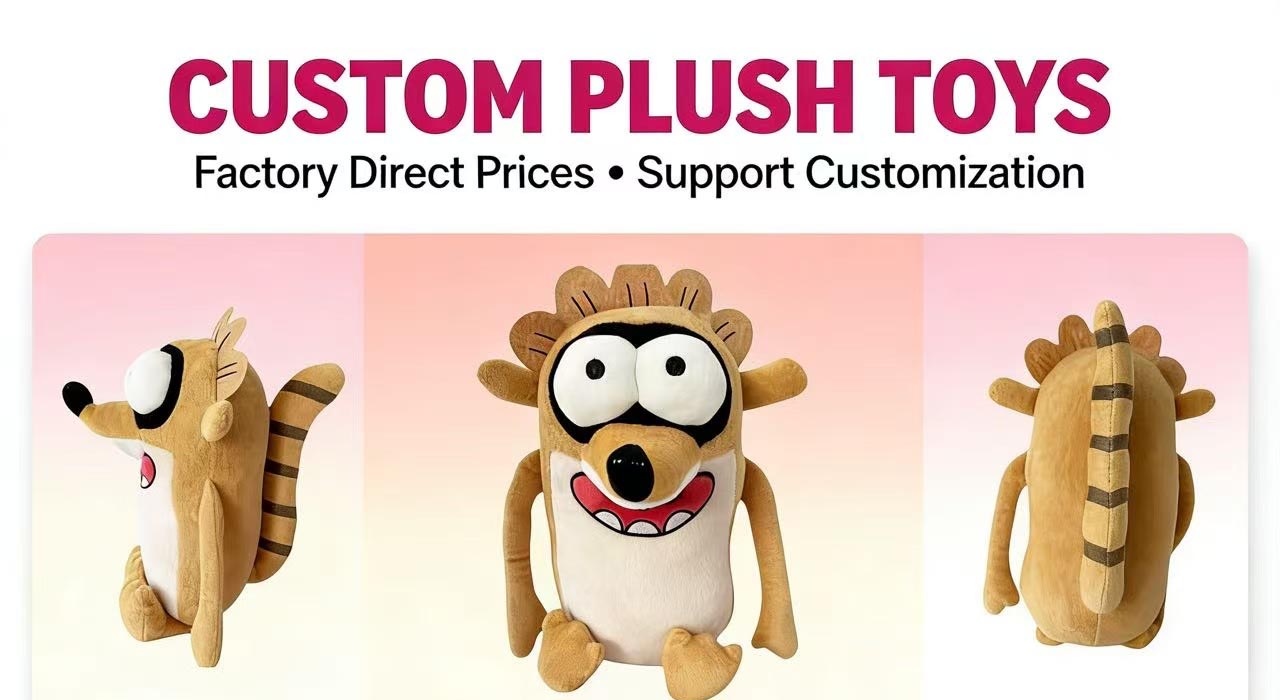
We are new-style plush toy manufacturers based in Yangzhou, China, the center of plush toy manufacturing. We has a complete OEM/ODM process and specializes in manufacturing customized stuffed toys, dolls, pillows, keychains, and slippers.
Our strength lies in making premium customization accessible - offering low MOQ from 200 pieces, rapid 5-day sampling, and CE/CPC certified quality. We serve global clients with factory-direct pricing and reliable delivery, ensuring your plush concepts become market-ready products efficiently.


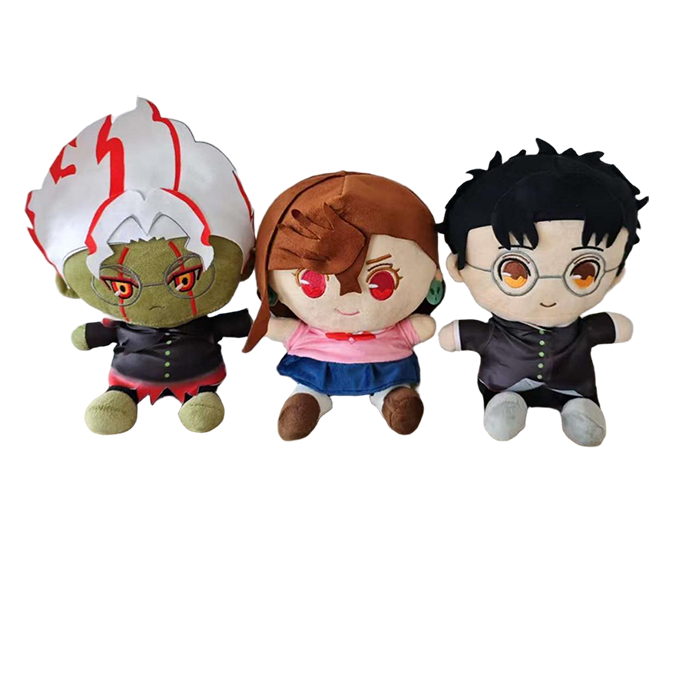
Explore our curated selection of premium plush designs perfect for enhancing your living spaces


 Learn More

 Read More