Leave Your Message


The home decor industry has witnessed a remarkable transformation in recent years, with stuffed animals emerging as a sophisticated design element that transcends traditional children's bedroom aesthetics. What was once considered purely functional toys for children has evolved into a multi-billion dollar segment within the global home furnishings market. Industry analysts project that the decorative plush market will reach $12.8 billion by 2028, growing at a compound annual growth rate of 7.2% from 2023 to 2028.
This paradigm shift reflects broader cultural movements toward nostalgia-driven design, comfort-focused living spaces, and the blurring of boundaries between childhood whimsy and adult sophistication. Interior designers and home staging professionals increasingly incorporate high-quality stuffed animals as statement pieces, conversation starters, and elements that add warmth and personality to residential and commercial spaces alike.
The contemporary market for decorative stuffed animals is driven by several demographic and psychographic factors. Millennials and Gen Z consumers, who now represent the largest home-buying demographic, demonstrate a strong preference for personalized, emotionally resonant decor items. These generations grew up with beloved plush companions and are now reimagining these objects as sophisticated design elements in their adult living spaces.
Research conducted by the Home Furnishings Association reveals that 63% of consumers aged 25-40 have purchased at least one stuffed animal specifically for decorative purposes within the past two years. Furthermore, 41% of respondents indicated they view high-quality plush items as legitimate collectibles worthy of display in prominent living areas rather than relegated to storage or children's rooms.
The global decorative plush market has experienced unprecedented growth, with premium segment products (priced above $50) showing the strongest performance. Luxury department stores report that designer stuffed animals now account for 18% of their home decor sales, up from just 4% five years ago. This trend reflects consumers' willingness to invest in quality craftsmanship and unique designs that serve as focal points within their interior design schemes.
Oversized plush animals serve as sculptural elements on sofas, creating visual interest and inviting touch interaction. Designer pieces complement minimalist aesthetics while adding warmth.
Curated collections of artisanal stuffed animals transform bedrooms into personalized sanctuaries. Monochromatic or color-coordinated arrangements create cohesive visual narratives.
Beyond functionality, premium plush pieces in nurseries serve as heirloom-quality items that grow with the child, transitioning from interactive toys to cherished decorative elements.
Vintage and literary-themed stuffed animals add character to bookshelves and reading nooks, creating conversation pieces that reflect the homeowner's personality and interests.
Small to medium-sized plush companions provide stress relief and visual breaks in work environments, with studies showing they can reduce workplace anxiety by up to 23%.
Artists and designers use stuffed animals as inspiration sources and mood boards, with their textures, colors, and forms sparking creative ideation and problem-solving.
The hospitality sector has embraced stuffed animals as signature branding elements that enhance guest experiences. Boutique hotels increasingly feature custom-designed plush mascots in guest rooms, lobbies, and common areas. The Ritz-Carlton's signature stuffed lion program, where children receive a plush companion during their stay, has become so successful that 87% of participating families request the same lion on return visits, demonstrating the powerful emotional connection these items create.
Restaurants, particularly family-friendly establishments and themed dining experiences, utilize oversized stuffed animals as atmospheric elements that define their brand identity. Research from the National Restaurant Association indicates that venues incorporating plush decor elements see a 31% increase in family customer retention and a 24% boost in social media engagement through photo opportunities.
Retail environments have also discovered the merchandising power of decorative stuffed animals. High-end fashion boutiques use designer plush pieces as window displays and in-store installations, creating Instagram-worthy moments that drive foot traffic. Luxury brands including Gucci, Louis Vuitton, and Hermès have launched limited-edition stuffed animal collections that sell out within hours, with secondary market values often exceeding original retail prices by 300-500%.
The production landscape for decorative stuffed animals has undergone significant technological advancement. Modern manufacturing facilities employ computer-aided design systems that allow for unprecedented precision in pattern creation, resulting in more sophisticated forms and better structural integrity. Three-dimensional printing technology now enables rapid prototyping, reducing development cycles from months to weeks and allowing designers to iterate quickly based on market feedback.
Material science innovations have expanded the palette of textures and finishes available to designers. Advanced synthetic fibers now replicate luxury materials like cashmere, alpaca, and silk at accessible price points while offering superior durability and ease of maintenance. Hypoallergenic filling materials have made stuffed animals viable decor options for households with allergy sensitivities, expanding the addressable market by an estimated 22 million households in North America alone.
Environmental consciousness has become a critical differentiator in the decorative plush market. Leading manufacturers have implemented closed-loop production systems that recycle fabric scraps and minimize water usage. Certified organic cotton, bamboo-derived fabrics, and recycled polyester fill materials now account for 34% of premium segment production, up from just 8% in 2019.
Transparency in supply chain practices has become equally important to conscious consumers. Third-party certifications such as GOTS (Global Organic Textile Standard), OEKO-TEX, and Fair Trade verification provide assurance regarding environmental impact and labor practices. Brands that prominently communicate their sustainability credentials report 47% higher customer loyalty scores and command price premiums averaging 28% compared to conventional alternatives.
Emerging technologies are creating entirely new product categories within the decorative plush segment. Smart stuffed animals with integrated LED lighting, Bluetooth speakers, and even aromatherapy diffusion systems are blurring the lines between decor, technology, and wellness products. These multifunctional pieces appeal particularly to urban consumers in compact living spaces who prioritize items that serve multiple purposes while maintaining aesthetic appeal.
The aesthetic approach to decorative stuffed animals varies significantly across cultural contexts, creating rich opportunities for cross-cultural design innovation. Japanese kawaii culture has profoundly influenced global plush design, with its emphasis on cute, approachable forms that evoke emotional responses. This aesthetic has transcended its origins to become a universal design language, with kawaii-inspired pieces now representing 41% of decorative plush sales in Western markets.
Scandinavian design principles emphasizing minimalism, natural materials, and functional beauty have spawned a distinct category of understated, sophisticated stuffed animals. These pieces typically feature muted color palettes, clean lines, and organic forms that complement the broader Nordic interior design movement. Danish and Swedish manufacturers have successfully positioned their products as luxury lifestyle accessories rather than toys, commanding premium prices in international markets.
North American consumers demonstrate strong preferences for character-based and nostalgia-driven designs, with licensed properties and retro-inspired pieces performing exceptionally well. The market shows particular strength in oversized statement pieces, with products over 24 inches accounting for 38% of decorative segment sales.
European markets exhibit more diverse preferences, with strong regional variations. Mediterranean consumers favor vibrant colors and whimsical designs, while Northern European buyers gravitate toward subdued tones and nature-inspired forms. The European market also shows the highest adoption rates for sustainable and ethically produced products, with eco-conscious options representing 52% of premium segment sales.
Asian markets, particularly in China, South Korea, and Japan, demonstrate the fastest growth rates globally. Urban consumers in these regions view high-quality stuffed animals as status symbols and collectibles, with limited-edition releases often selling out within minutes. The secondary market for rare and discontinued pieces has become particularly robust, with some items appreciating 800% or more in value within two years of release.
Industry forecasters identify several emerging trends that will shape the decorative stuffed animal market over the next decade. Personalization and customization capabilities will become increasingly sophisticated, with consumers able to specify every aspect of their plush pieces from materials and colors to sizes and features. Advanced manufacturing technologies including on-demand production will make bespoke pieces accessible at price points previously associated only with mass-produced items.
The integration of augmented reality experiences represents another frontier for innovation. Several manufacturers are developing companion apps that allow users to visualize how different stuffed animals will appear in their spaces before purchase, reducing return rates and increasing customer satisfaction. Some brands are experimenting with AR features that bring static plush pieces to life through smartphone screens, creating interactive storytelling experiences that enhance emotional connections.
The intersection of decorative plush products and wellness represents significant growth potential. Weighted stuffed animals designed to provide anxiety relief through deep pressure stimulation have gained traction among adult consumers, with the therapeutic plush segment growing 156% year-over-year. Mental health professionals increasingly recommend these items as non-pharmaceutical interventions for anxiety, stress, and sleep disorders.
Sensory-focused designs incorporating varied textures, gentle sounds, and calming scents address growing consumer interest in mindfulness and self-care. These multisensory pieces serve dual purposes as both decorative elements and wellness tools, appealing to consumers seeking holistic approaches to creating nurturing home environments.
The collectible aspect of premium stuffed animals has attracted attention from alternative investment communities. Limited-edition collaborations between renowned designers and established plush manufacturers have demonstrated strong appreciation potential, with some pieces increasing in value by 400-600% within three years. This trend has led to the emergence of authentication services and secondary market platforms specifically dedicated to high-end decorative plush items.
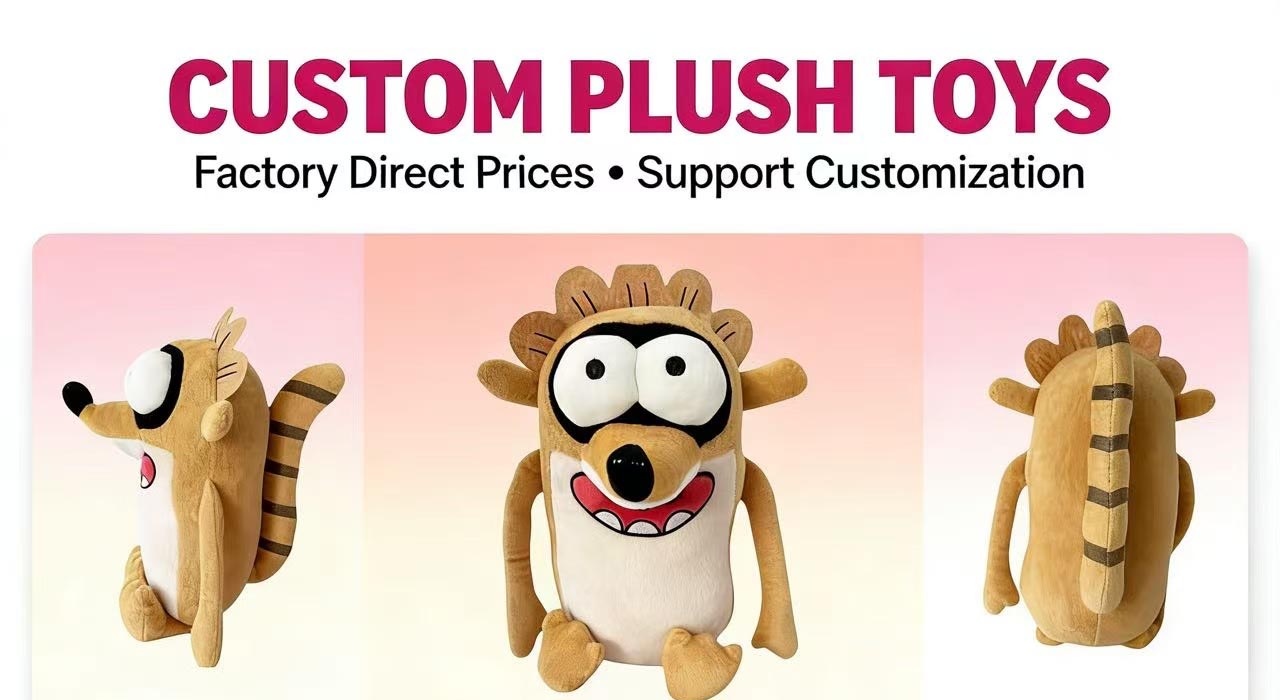
We are new-style plush toy manufacturers based in Yangzhou, China, the center of plush toy manufacturing. We has a complete OEM/ODM process and specializes in manufacturing customized stuffed toys, dolls, pillows, keychains, and slippers.
Our strength lies in making premium customization accessible - offering low MOQ from 200 pieces, rapid 5-day sampling, and CE/CPC certified quality. We serve global clients with factory-direct pricing and reliable delivery, ensuring your plush concepts become market-ready products efficiently.


 Learn More

 Read More