Leave Your Message
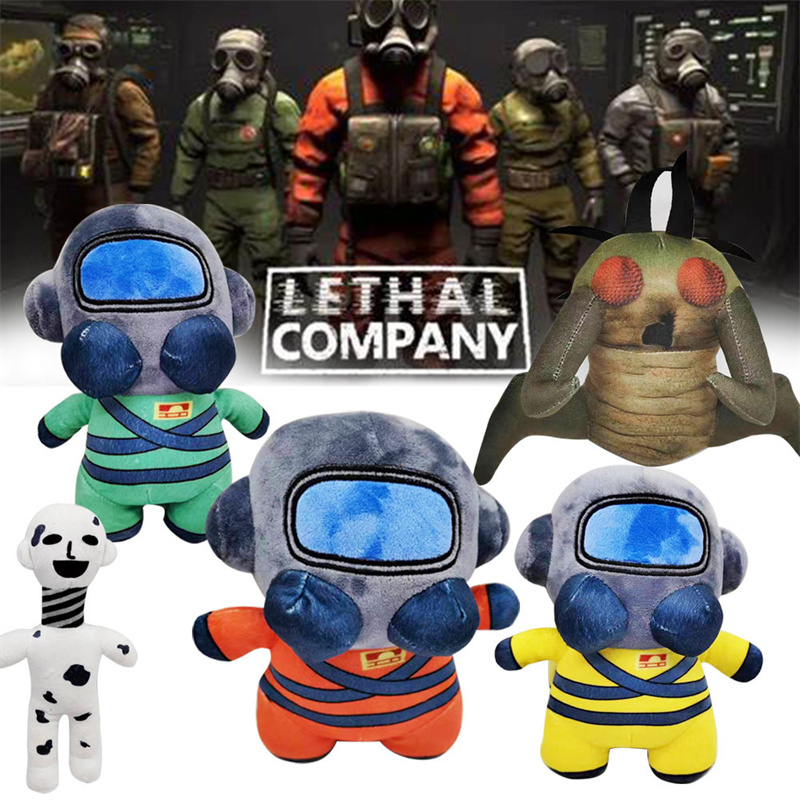
The gaming industry has evolved dramatically over the past decade, and with it, the merchandise market has experienced exponential growth. Stuffed animal toys representing beloved game characters have become a cornerstone of this thriving sector, bridging the gap between digital entertainment and tangible collectibles. As gaming culture continues to permeate mainstream society, the demand for high-quality plush merchandise has reached unprecedented levels.
Game character merchandise, particularly stuffed animal toys, represents a multi-billion dollar industry that shows no signs of slowing down. From indie game developers to major AAA studios, creators recognize the immense value of offering physical merchandise that allows fans to connect with their favorite characters beyond the screen. These plush toys serve multiple purposes: they're collectibles, comfort items, decorative pieces, and powerful marketing tools that extend brand recognition and loyalty.
The global plush toy market, valued at over $8 billion in 2023, is projected to grow at a compound annual growth rate (CAGR) of 7.5% through 2030. Gaming merchandise accounts for an increasingly significant portion of this growth, with game character plush toys representing one of the fastest-growing segments. This expansion is driven by several key factors:
With over 3 billion gamers worldwide, the potential customer base for game character merchandise is enormous. Popular games with strong character design naturally translate into successful plush toy lines, creating a symbiotic relationship between digital and physical products.
Game developers increasingly rely on merchandise sales as a crucial revenue stream. Plush toys offer high profit margins and serve as passive income long after a game's initial release, making them essential to long-term business sustainability.
The rise of collector culture, particularly among millennials and Gen Z consumers, has created a dedicated market for limited edition and exclusive plush merchandise. Collectors often purchase multiple variants, driving sustained demand.
The production of game character stuffed animal toys requires specialized expertise and adherence to stringent quality standards. As a leading manufacturer in this space, understanding the technical requirements and market expectations is crucial for success.
Modern game character plush toys must meet international safety standards including ASTM F963 (USA), EN71 (Europe), and GB 6675 (China). Material selection involves careful consideration of:
Premium Fabric Options: Short plush, super soft velboa, coral fleece, and specialized textured materials that accurately represent game character aesthetics. Each material offers unique properties in terms of durability, washability, and tactile appeal.
Filling Materials: High-grade PP cotton, polyester fiber fill, and eco-friendly alternatives ensure proper shape retention while maintaining softness. The filling density must be precisely calibrated to achieve the desired weight and huggability factor.
Safety Components: All accessories, including eyes, noses, and decorative elements, must be securely attached and meet choking hazard regulations. Embroidered features are often preferred for products targeting younger audiences.
Professional game character plush manufacturing requires sophisticated production capabilities:
Our manufacturing process incorporates cutting-edge technology with traditional craftsmanship. Computer-aided design (CAD) systems ensure precise pattern creation, while skilled artisans bring characters to life through meticulous hand-sewing and quality control. Each plush toy undergoes multiple inspection stages, from initial prototype approval to final packaging verification.
Stuffed animal toys for game characters serve diverse strategic purposes within the gaming industry ecosystem:
Game developers frequently use exclusive plush toys as pre-order bonuses or limited edition launch items. This strategy creates urgency and adds tangible value to digital purchases. Successful examples include special edition character plushies bundled with collector's editions, often becoming valuable collectibles that appreciate over time.
Gaming conventions, esports tournaments, and promotional events represent prime opportunities for plush toy sales. Limited edition convention-exclusive designs create buzz and drive foot traffic to exhibition booths. These items often become highly sought-after collectibles, with some rare pieces commanding premium prices in secondary markets.
The rise of gaming content creators and streamers has opened new merchandising channels. Custom plush toys featuring streamer mascots or favorite game characters provide creators with branded merchandise that strengthens community bonds and generates additional revenue. The parasocial relationships between content creators and audiences make these items particularly desirable.
Plush toys facilitate partnerships between game developers and retail chains, creating mainstream visibility. Major retailers increasingly dedicate shelf space to gaming merchandise, recognizing the purchasing power of gaming demographics. Strategic placement alongside traditional toy lines legitimizes gaming culture and expands market reach.
The game character plush toy industry continues to evolve with technological advancement and changing consumer preferences:
Integration of electronic components transforms traditional plush toys into interactive experiences. Embedded sound chips reproduce character voices and game audio, while NFC technology enables connectivity with gaming platforms. Some advanced designs incorporate LED lighting, motion sensors, and even basic AI capabilities, creating hybrid products that blur the line between physical toys and digital gaming.
Environmental consciousness increasingly influences purchasing decisions, particularly among younger consumers. Manufacturers are responding with sustainable practices including recycled polyester filling, organic cotton fabrics, and biodegradable packaging. Carbon-neutral production and transparent supply chains are becoming competitive advantages rather than optional considerations.
Advanced manufacturing techniques enable unprecedented customization levels. Digital printing allows for limited runs with unique designs, while modular construction systems let customers mix and match accessories. Some manufacturers offer full custom services where players can create plush versions of their in-game avatars or characters.
AR technology creates innovative connections between physical plush toys and digital gaming experiences. Scanning a plush toy with a mobile device can unlock exclusive in-game content, character skins, or special abilities. This integration creates additional value and encourages cross-platform engagement.
Understanding the diverse market segments for game character plush toys is essential for effective product development and marketing:
Dedicated gamers aged 18-35 represent the primary market segment. This demographic values authenticity, quality, and accurate character representation. They're willing to pay premium prices for officially licensed merchandise and limited editions. Their purchasing decisions are often influenced by emotional connections to characters and nostalgia for beloved games.
Serious collectors approach plush toys as investments and display pieces. They seek rare variants, chase items, and complete sets. This segment drives demand for exclusive releases and variant designs. Collectors maintain pristine condition through careful storage and often keep items in original packaging, treating them as appreciating assets.
Parents, relatives, and friends purchasing gifts for gamers represent a significant market segment. This group values recognizable characters, reasonable pricing, and gift-appropriate presentation. Clear packaging that showcases the product while protecting it is crucial for this segment.
Gaming culture's mainstream acceptance has created a lifestyle consumer segment that appreciates gaming aesthetics without being hardcore gamers. They purchase plush toys as room décor, stress relief items, or fashion accessories. This segment responds well to cute, stylized designs and Instagram-worthy products.
Successful game character plush toy businesses leverage multiple distribution channels to maximize market penetration:
Online stores provide the highest profit margins and direct customer relationships. Effective e-commerce strategies include detailed product photography, 360-degree views, size comparison images, and customer reviews. Email marketing and social media integration drive repeat purchases and build community engagement.
Strategic partnerships with gaming specialty stores, toy retailers, and department stores provide physical presence and mainstream credibility. Retail displays must effectively communicate brand story and character appeal while standing out in crowded environments.
Direct sales at gaming conventions, anime expos, and pop culture events generate significant revenue while building brand awareness. Exclusive convention variants create urgency and reward attendee loyalty. These events also provide valuable direct customer feedback and market research opportunities.
Wholesale relationships with distributors, specialty stores, and online marketplaces expand reach while maintaining healthy margins. Flexible minimum order quantities and reliable delivery schedules are crucial for building strong wholesale partnerships.
Maintaining exceptional quality standards is non-negotiable in the competitive game merchandise market. Our comprehensive quality control process includes:
Material Inspection: All incoming materials undergo rigorous testing for safety compliance, colorfastness, and durability. Only materials meeting our strict standards enter production.
Production Monitoring: Quality control personnel monitor every production stage, from pattern cutting to final assembly. Regular sampling ensures consistency across large production runs.
Final Inspection: Each completed plush toy undergoes individual inspection covering stitching integrity, filling uniformity, color accuracy, and overall appearance. Items failing inspection are rejected and reworked.
Packaging Quality: Packaging protects products during shipping while creating positive unboxing experiences. We use sturdy materials and protective measures to ensure products arrive in perfect condition.
Customer Service Excellence: Responsive customer service handles inquiries, resolves issues, and gathers feedback. This customer-centric approach builds loyalty and informs continuous improvement efforts.




custom plush doll



Custom Stuffed Animals



custom plush slippers



custom plush pillows

custom plush Keychain
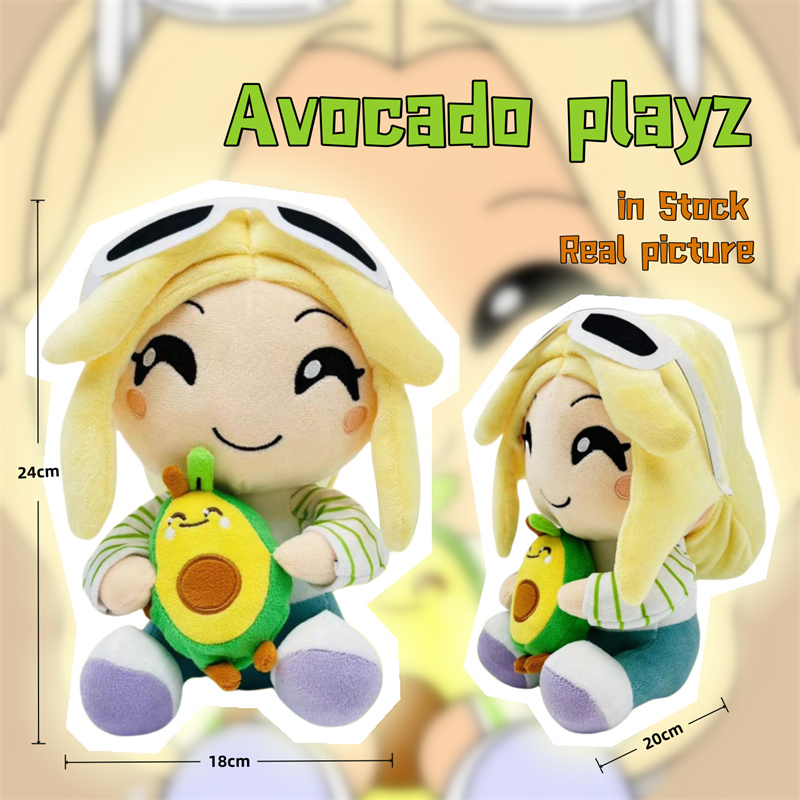
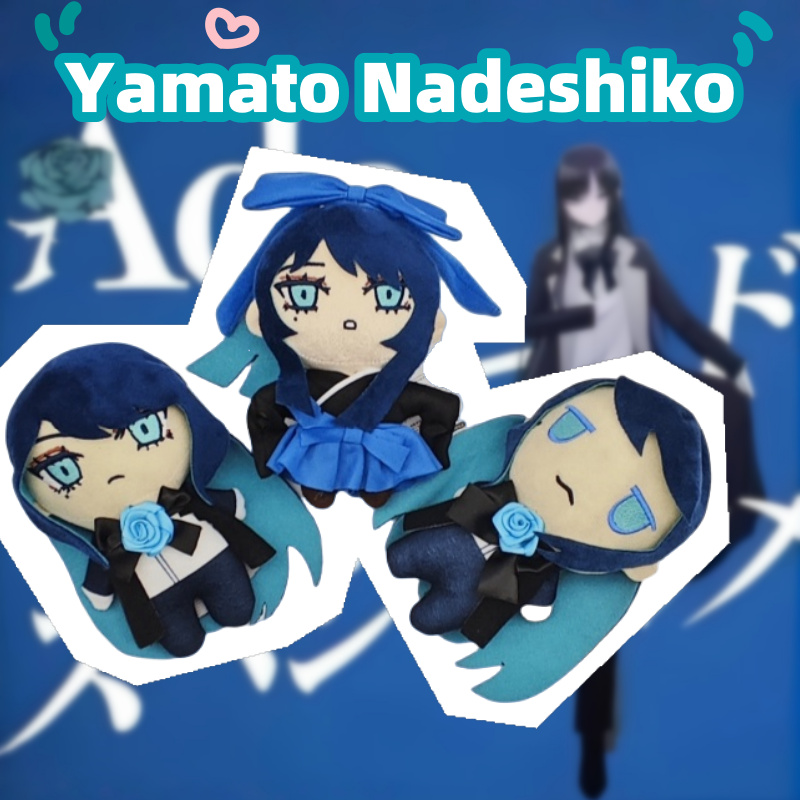
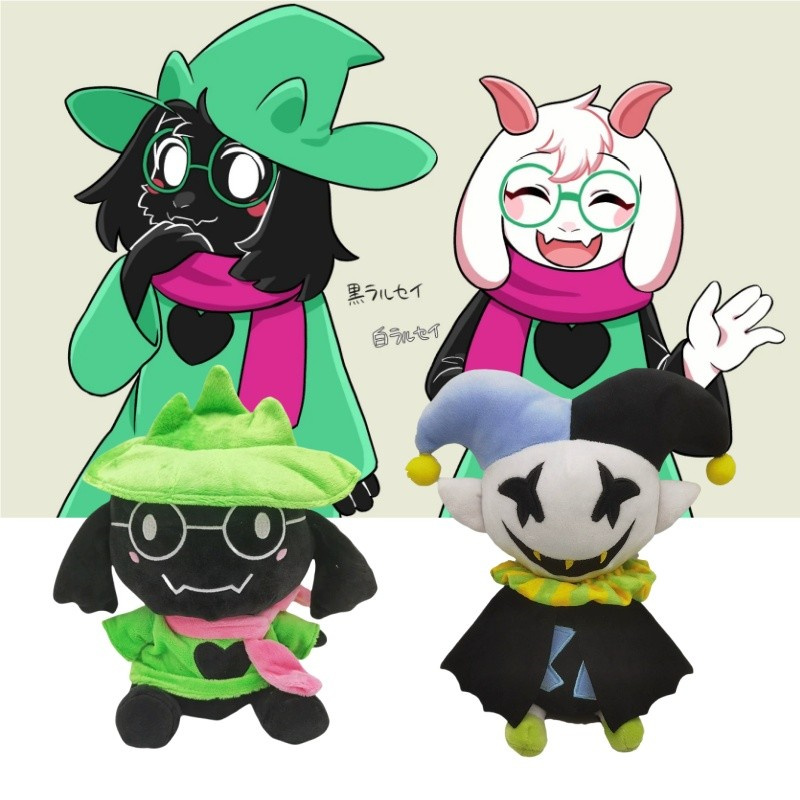
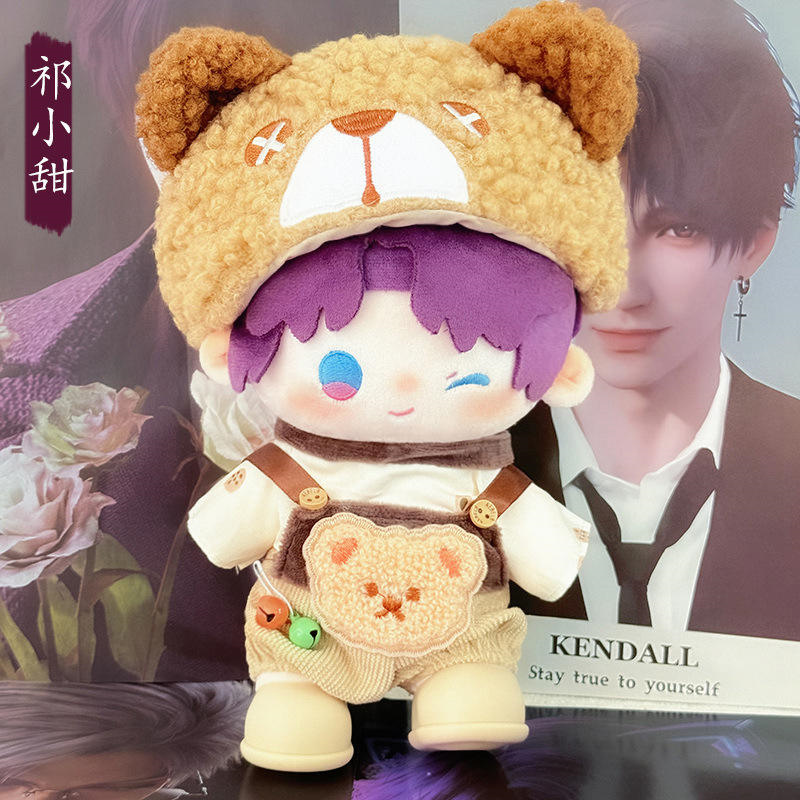
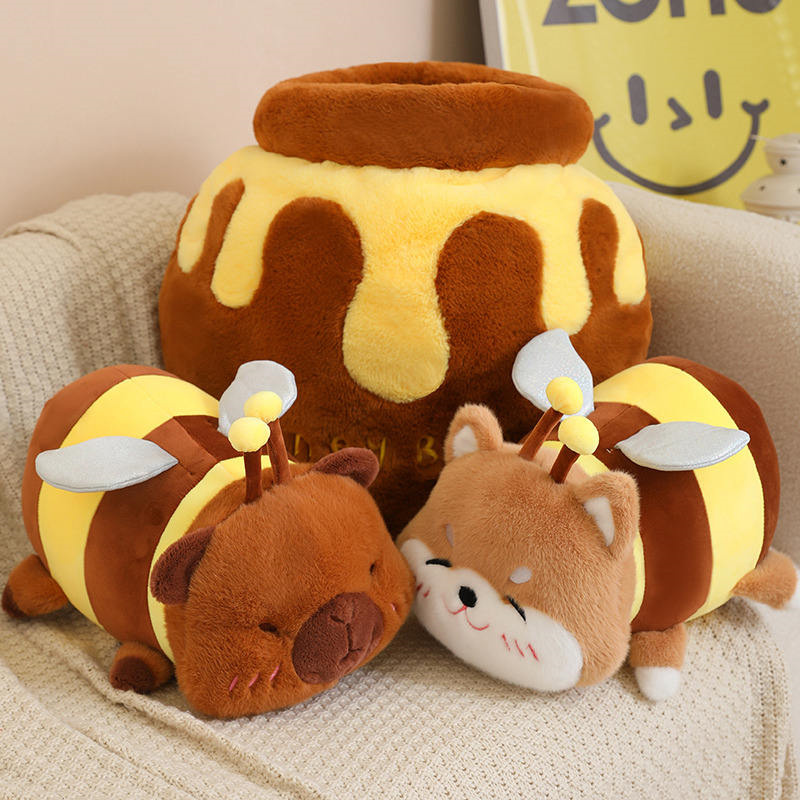
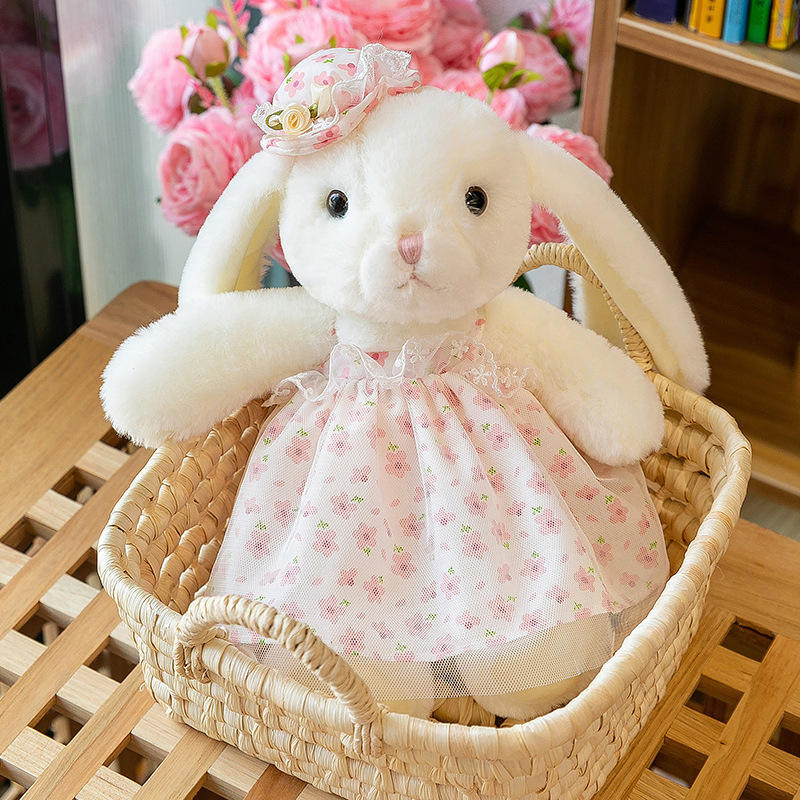
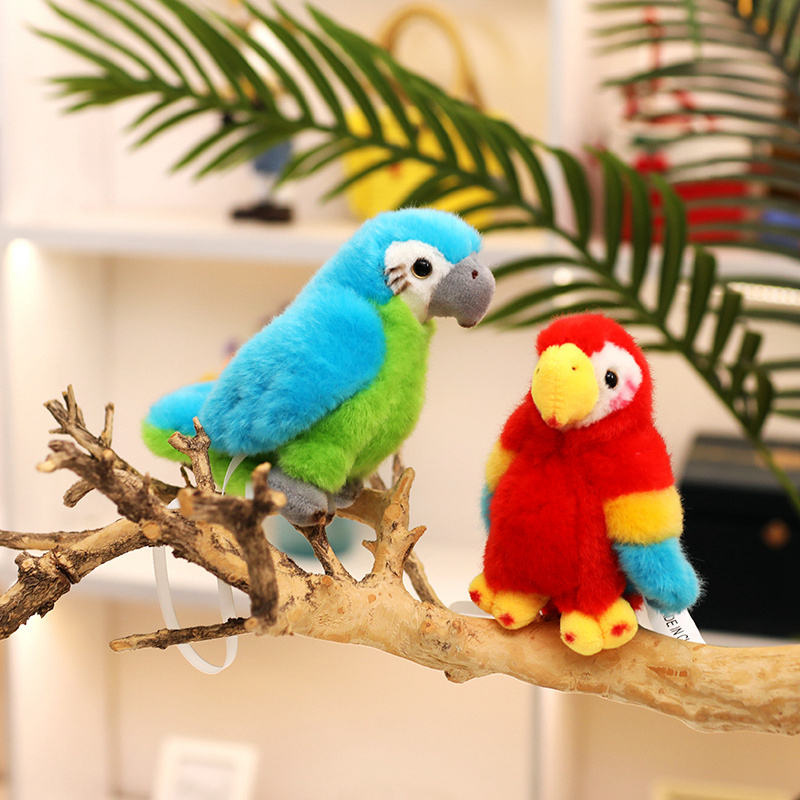
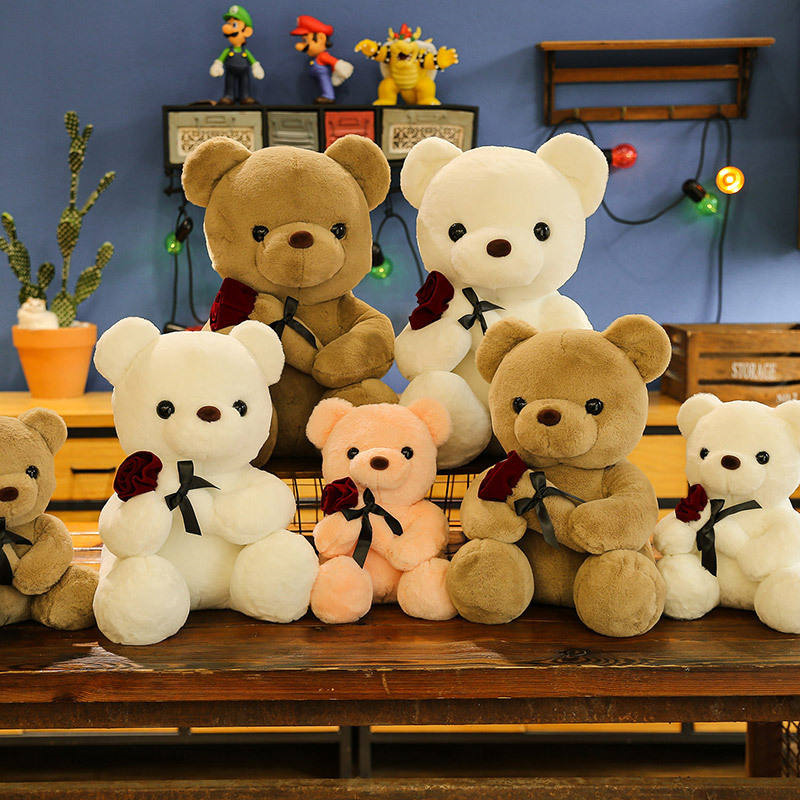
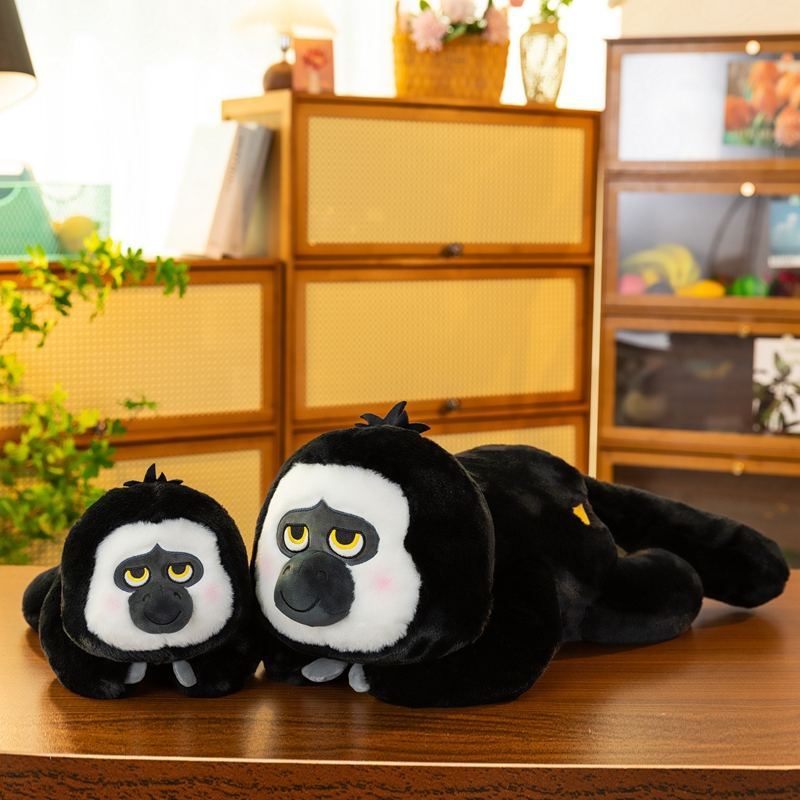
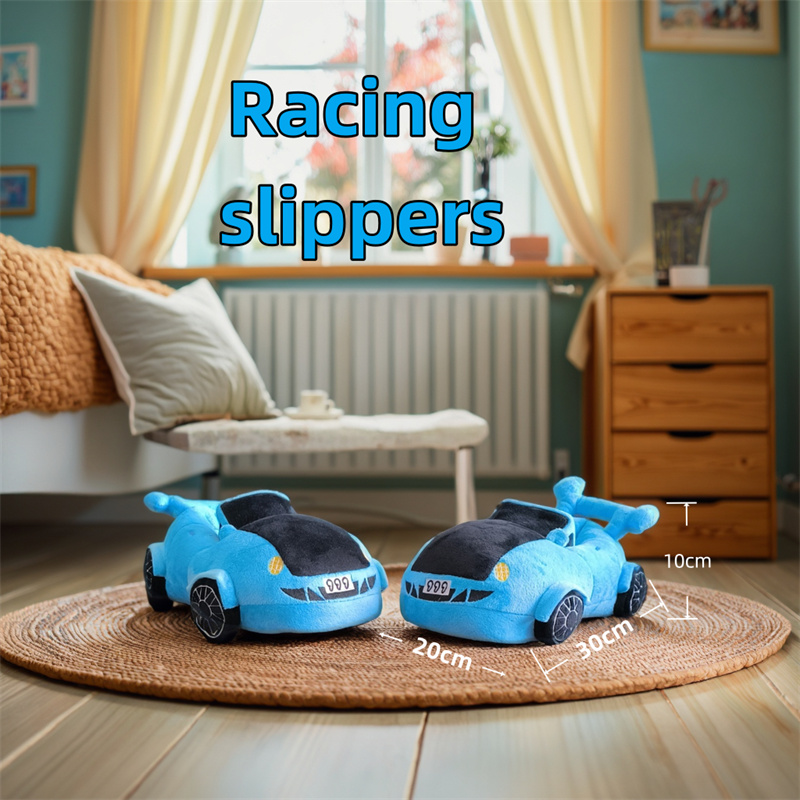
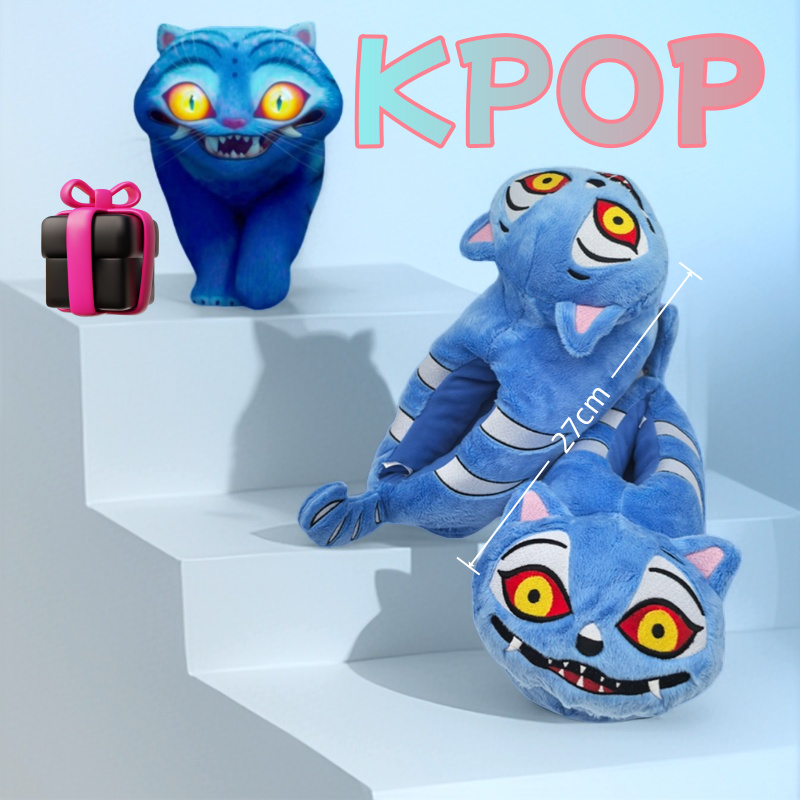
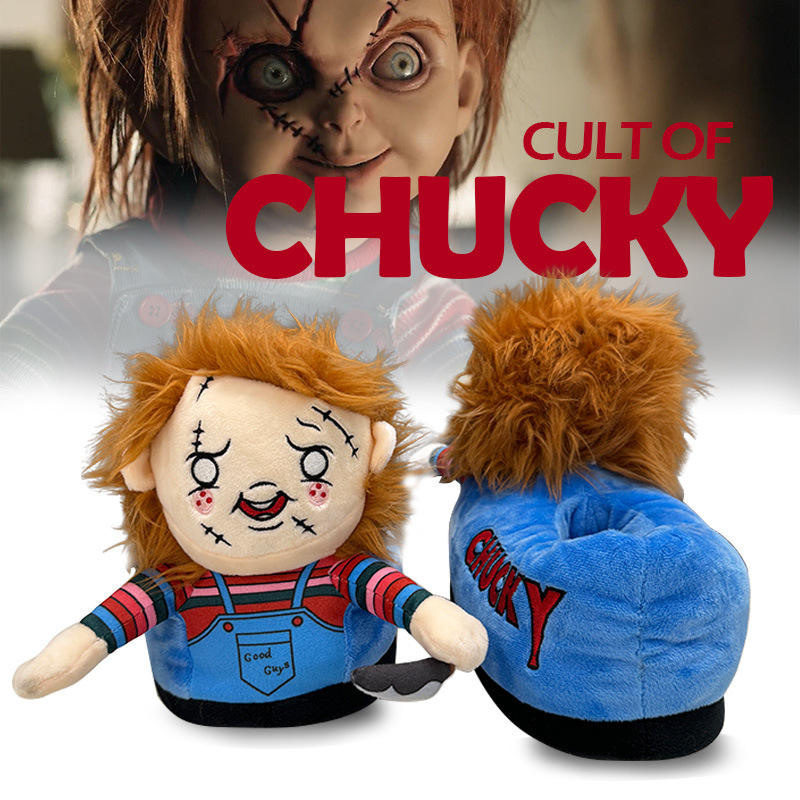
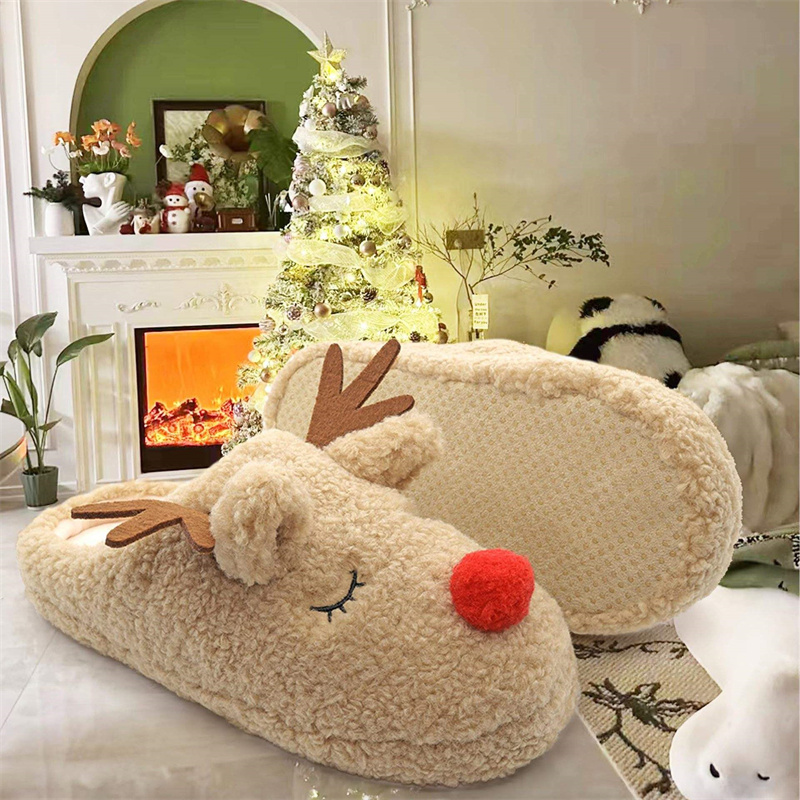
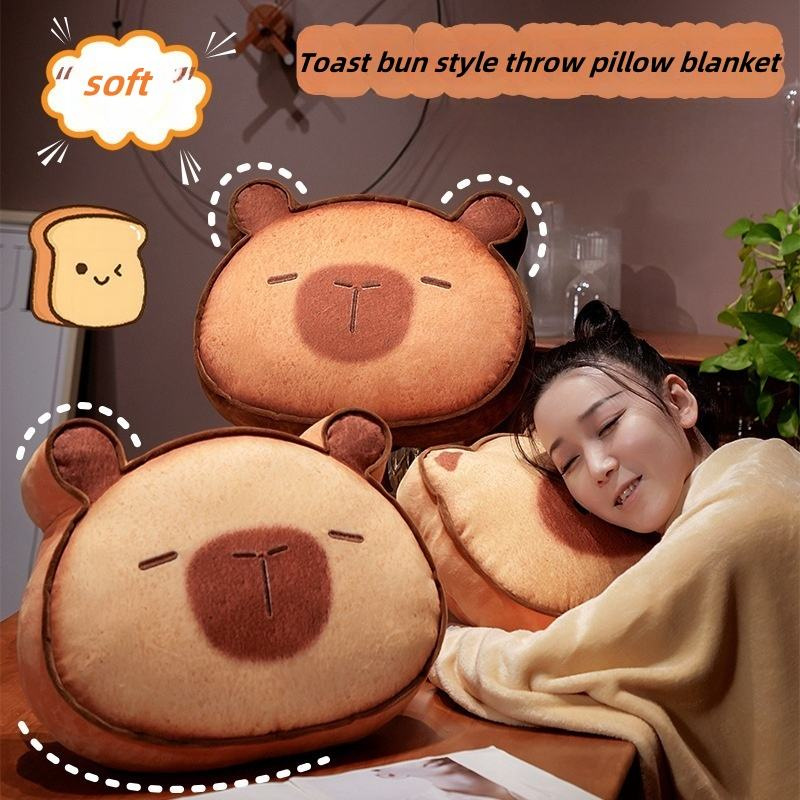
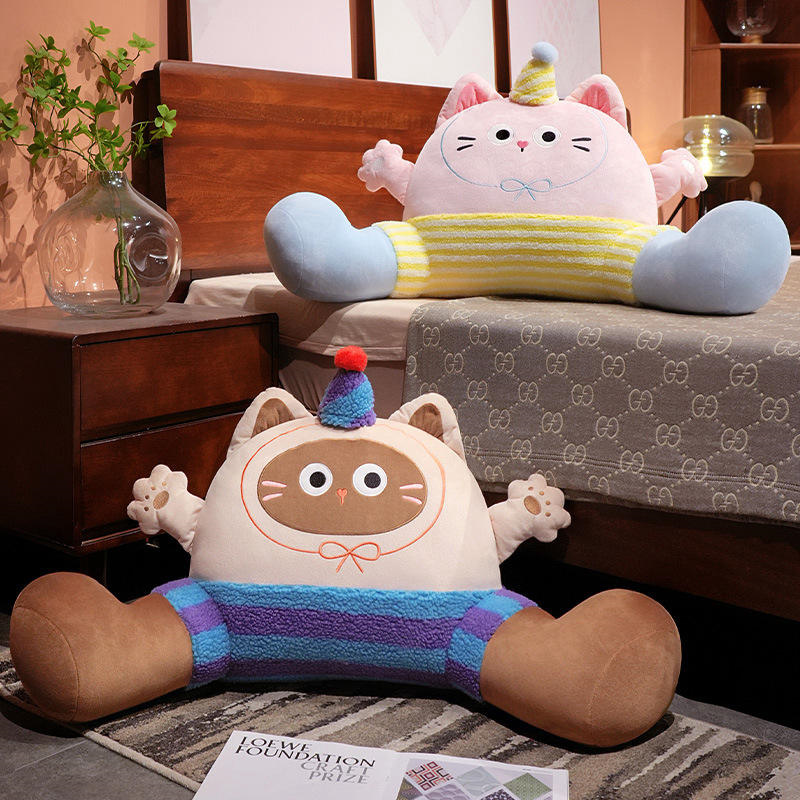
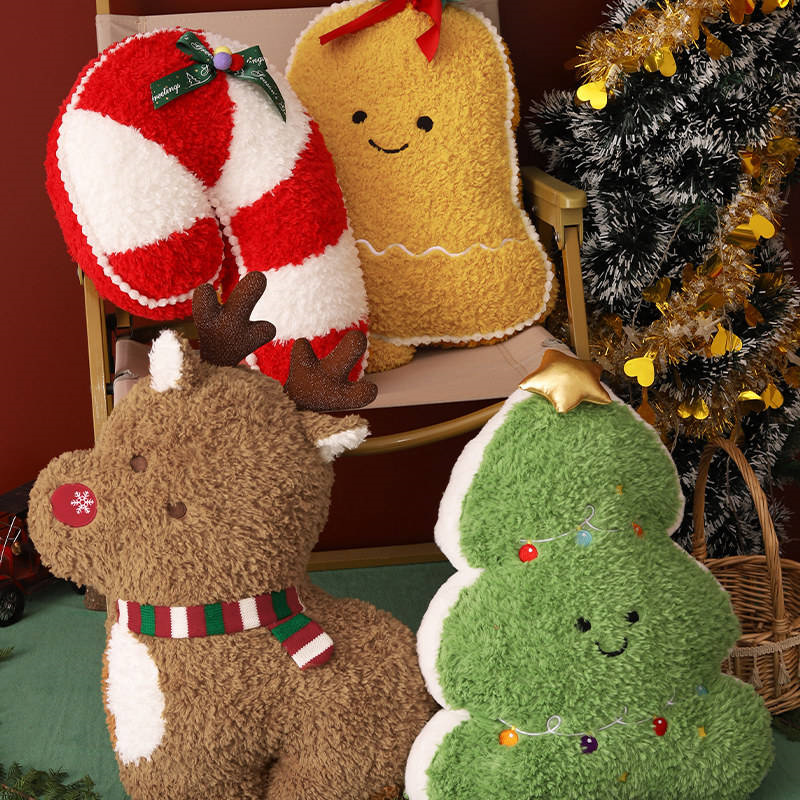
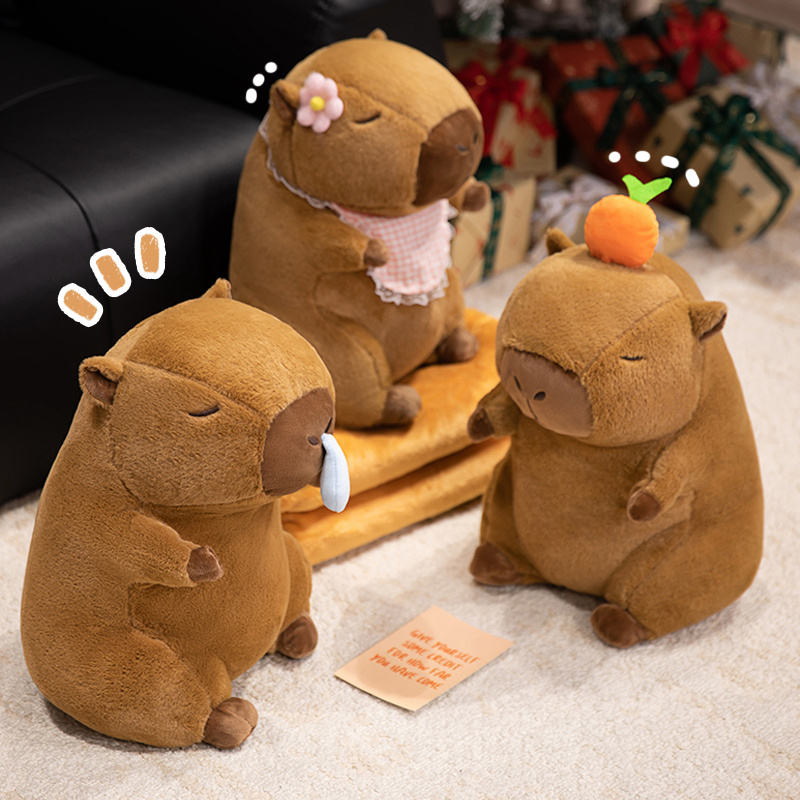
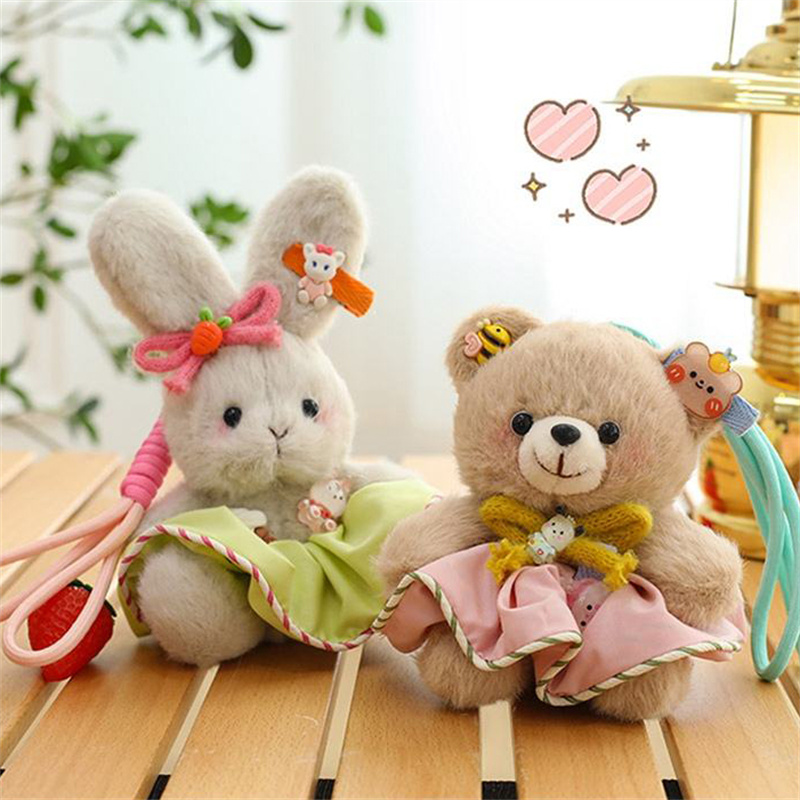
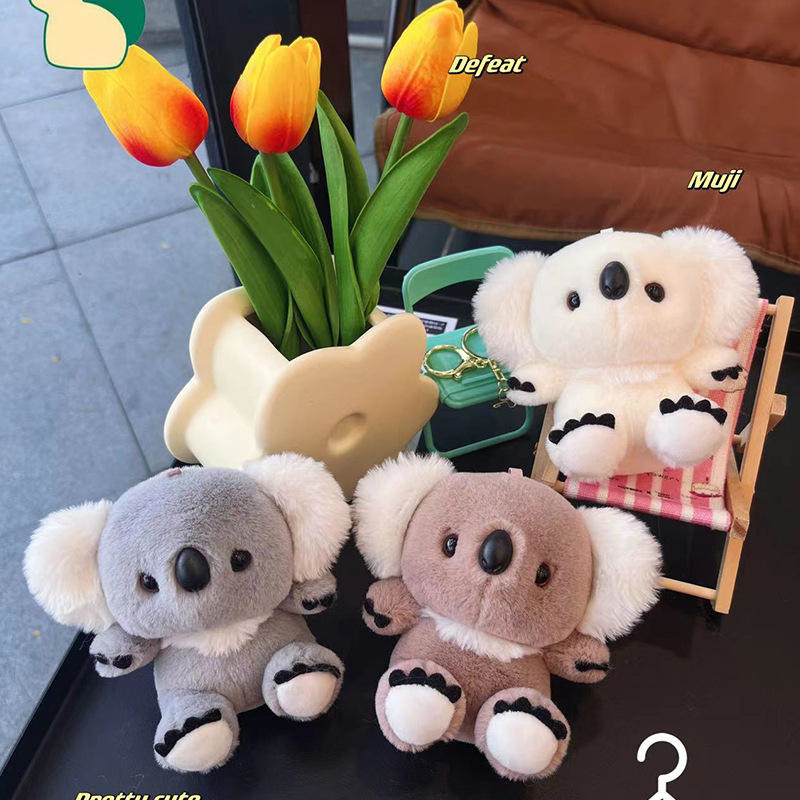
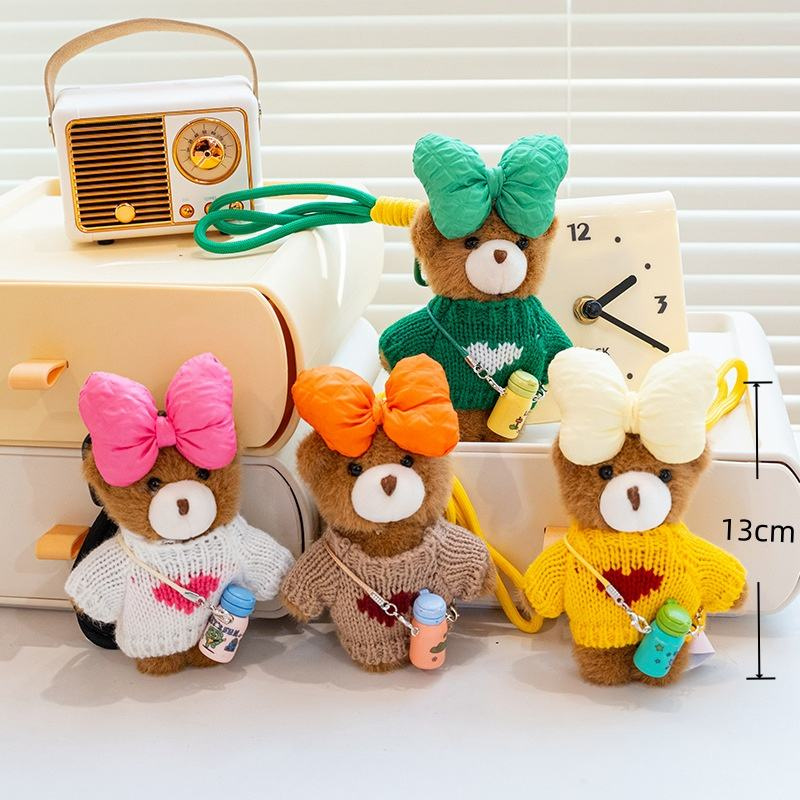
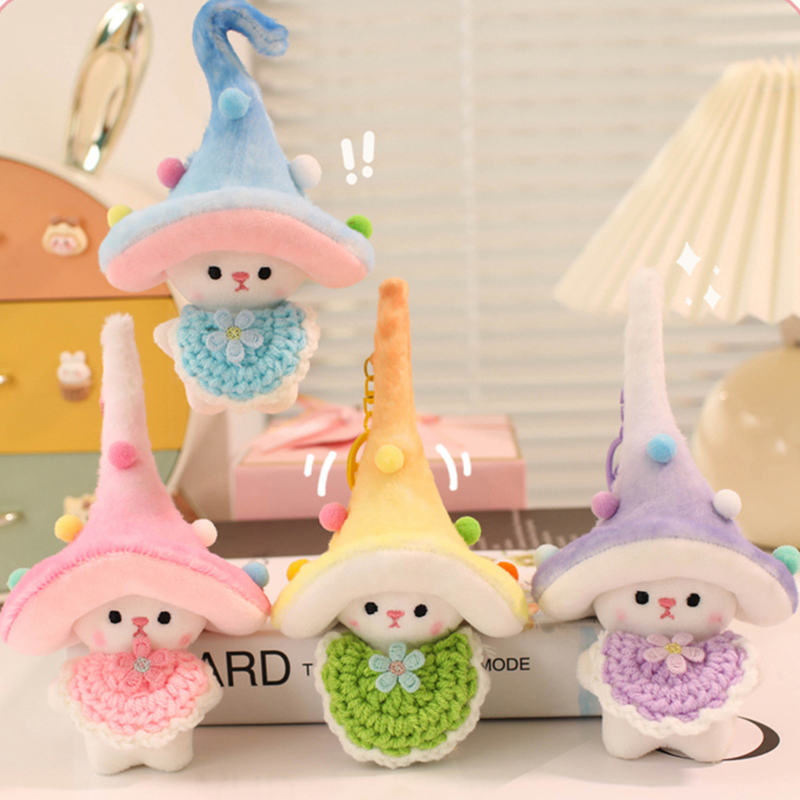
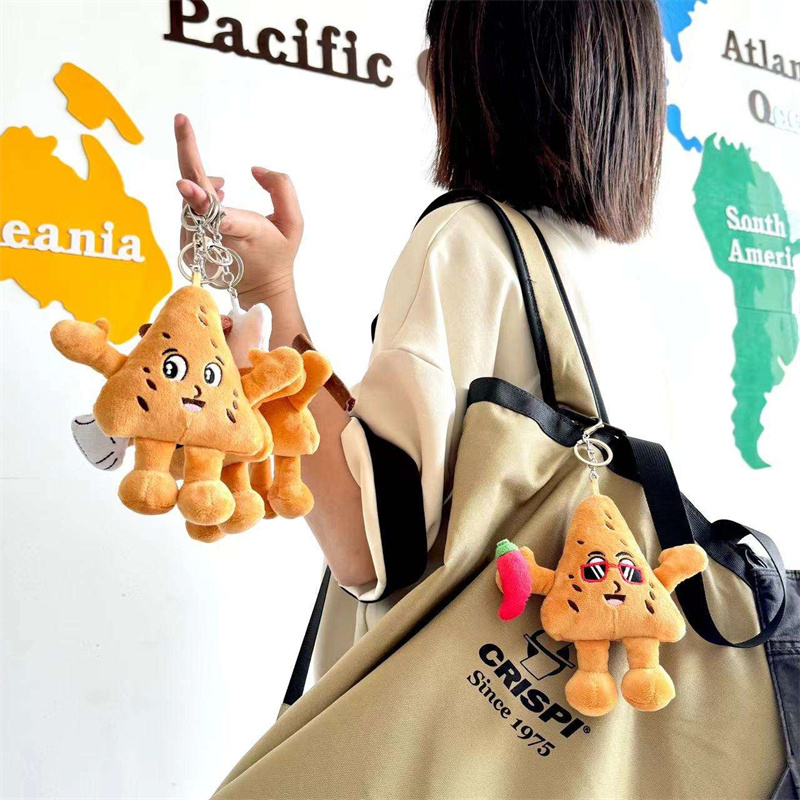

Simply send us your ideas or designs for plush dolls, stuffed animals, pillows, keychains, or slippers - we can't wait to bring your concepts to life.

Our team will create detailed patterns and provide the first sample for your feedback and approval.

Your custom plush products are made with the best materials and through strict quality control.
Reliable worldwide shipping ensures your game character merchandise reaches you safely and on time.
Explore our extensive range of custom game character stuffed animal toys


