Leave Your Message


In today's evolving educational landscape, stuffed animal toys have transcended their traditional role as simple playthings to become powerful tools for learning, emotional development, and social impact. Educational institutions and non-profit organizations worldwide are increasingly recognizing the multifaceted benefits these soft companions offer, from enhancing cognitive development in early childhood education to providing comfort in therapeutic settings and supporting charitable initiatives that reach underserved communities.
The global educational toy market, valued at over $35 billion in 2023, continues to expand as educators and child development specialists acknowledge the critical importance of tactile, emotional learning experiences. Stuffed animals occupy a unique position in this market, offering not just entertainment but serving as bridges between abstract concepts and tangible understanding. For non-profit organizations, these plush companions have become invaluable assets in fundraising campaigns, community outreach programs, and initiatives aimed at providing comfort to children facing challenging circumstances.
Research from leading child psychology institutions demonstrates that stuffed animals play a crucial role in developing emotional intelligence, empathy, and social skills in children. When integrated into educational curricula, these toys facilitate role-playing activities that help children process complex emotions, practice social interactions, and develop narrative skills. Non-profit organizations leverage these same benefits, using stuffed animals as tools for trauma-informed care, hospital comfort programs, and disaster relief efforts where children need immediate emotional support.
The customization capabilities of modern plush manufacturing have opened new doors for both educational and non-profit applications. Organizations can now create custom stuffed animals that represent mascots, teach specific lessons, promote causes, or commemorate special events. This personalization transforms generic toys into meaningful educational tools and powerful symbols of organizational missions, creating lasting impressions on children and supporters alike.
Stuffed animals serve as tangible teaching aids that make abstract concepts concrete. They facilitate hands-on learning experiences in subjects ranging from biology and storytelling to emotional literacy and social studies, improving retention and engagement across all age groups.
For children in hospitals, shelters, or crisis situations, stuffed animals provide immediate comfort and a sense of security. Non-profits utilize these companions in trauma-informed care programs, helping children express feelings and cope with difficult circumstances.
With factory-direct pricing and low minimum order quantities, educational institutions and non-profits can access high-quality stuffed animals within budget constraints. Bulk ordering options and customization flexibility make these tools accessible to organizations of all sizes.
Custom plush toys serve as excellent fundraising merchandise, creating emotional connections with donors while generating revenue. Organizations can design unique mascots or cause-related plushies that tell their story and inspire support for their missions.
From educational mascots to culturally representative characters, the ability to fully customize design, colors, sizes, and features allows organizations to create stuffed animals that perfectly align with their educational goals or organizational identity.
Premium materials meeting international safety certifications ensure these toys are safe for all ages. Rigorous quality control processes guarantee durability for repeated use in classrooms, therapy sessions, and distribution programs.
Preschools and daycare centers integrate stuffed animals into daily curricula for teaching colors, numbers, letters, and social skills. These toys become classroom companions that help children transition from home to school, participate in circle time activities, and develop fine motor skills through dress-up and care routines. Teachers use them as props for storytelling, conflict resolution demonstrations, and emotional regulation exercises.
For children with autism, sensory processing disorders, or developmental delays, specially designed stuffed animals provide sensory input, comfort during transitions, and tools for practicing social interactions in low-pressure environments. Weighted plush toys offer calming deep pressure stimulation, while textured varieties support sensory exploration and integration.
Child life specialists in hospitals use stuffed animals to explain medical procedures, reduce anxiety before treatments, and provide comfort during recovery. Non-profit organizations partner with medical facilities to donate plush companions to pediatric patients, creating positive associations and easing the stress of hospitalization for both children and families.
Libraries and literacy non-profits implement "Read to a Stuffed Animal" programs that reduce reading anxiety and build confidence in struggling readers. Children practice reading aloud to non-judgmental plush listeners, improving fluency and comprehension while developing a love for books. Custom book character plushies bring stories to life and incentivize reading achievement.
International aid organizations include stuffed animals in emergency relief kits for children affected by natural disasters, conflicts, or displacement. These items provide immediate psychological first aid, offering comfort and normalcy in chaotic situations. The simple presence of a soft toy can help traumatized children begin processing their experiences and rebuilding a sense of security.
Zoos, aquariums, and environmental non-profits use custom stuffed animals representing endangered species to teach conservation lessons and inspire environmental stewardship. These educational tools create emotional connections between children and wildlife, fostering the next generation of conservation advocates while generating funds for protection programs.
Social service organizations provide stuffed animals to children entering foster care or adoption systems, offering a consistent companion during times of transition and uncertainty. These toys become treasured possessions that provide comfort across multiple placements and help children maintain emotional stability during challenging life changes.
Child therapists and counselors utilize stuffed animals as intermediaries for communication, allowing children to express difficult emotions and experiences through play. Plush toys serve as safe projection objects in trauma therapy, family counseling, and grief support groups, facilitating healing conversations that might otherwise be too difficult for children to articulate directly.
The intersection of education, non-profit work, and stuffed animal manufacturing is experiencing significant innovation and growth. Understanding these trends helps organizations make informed decisions about integrating plush toys into their programs and initiatives.
Market research indicates that the educational segment of the plush toy industry is projected to grow at a compound annual growth rate of 7.2% through 2030, driven primarily by increased recognition of social-emotional learning importance and expanded early childhood education programs globally. Non-profit organizations are increasingly viewing custom stuffed animals not merely as comfort items but as strategic tools for program delivery, donor engagement, and mission communication.
The COVID-19 pandemic accelerated certain trends, particularly the use of stuffed animals in remote learning environments and mental health support programs. As children experienced isolation and disrupted routines, educators and counselors found that plush companions provided continuity and comfort. This has led to sustained interest in therapeutic applications of stuffed animals, with mental health non-profits expanding programs that provide plush toys to children experiencing anxiety, depression, or trauma.
Looking forward, the convergence of traditional plush manufacturing with digital innovation presents exciting opportunities. Educational apps that pair with physical stuffed animals create blended learning experiences, while blockchain technology enables verification of ethical manufacturing practices—increasingly important to mission-driven organizations. The future of stuffed animals in education and non-profit work lies in their ability to bridge physical comfort with digital engagement, traditional play with modern learning science, and individual comfort with community impact.




custom plush doll



Custom Stuffed Animals



custom plush slippers



custom plush pillows

custom plush Keychain
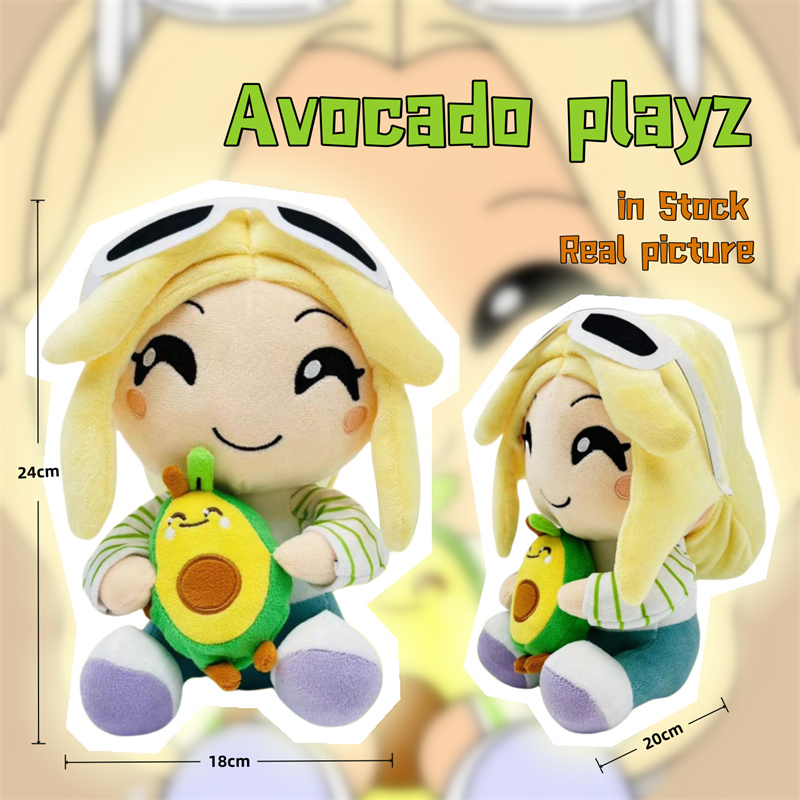
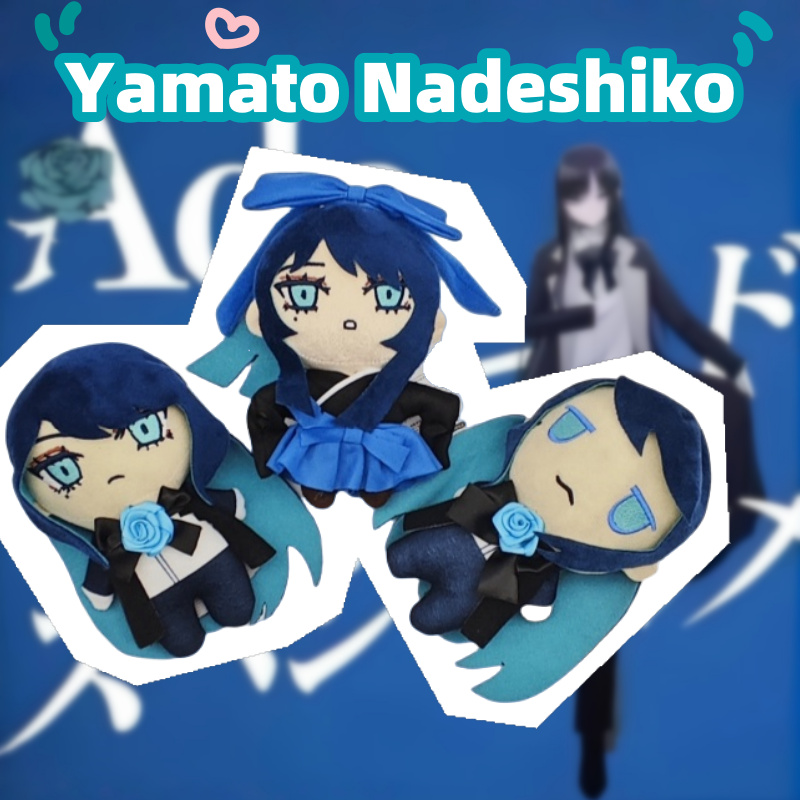
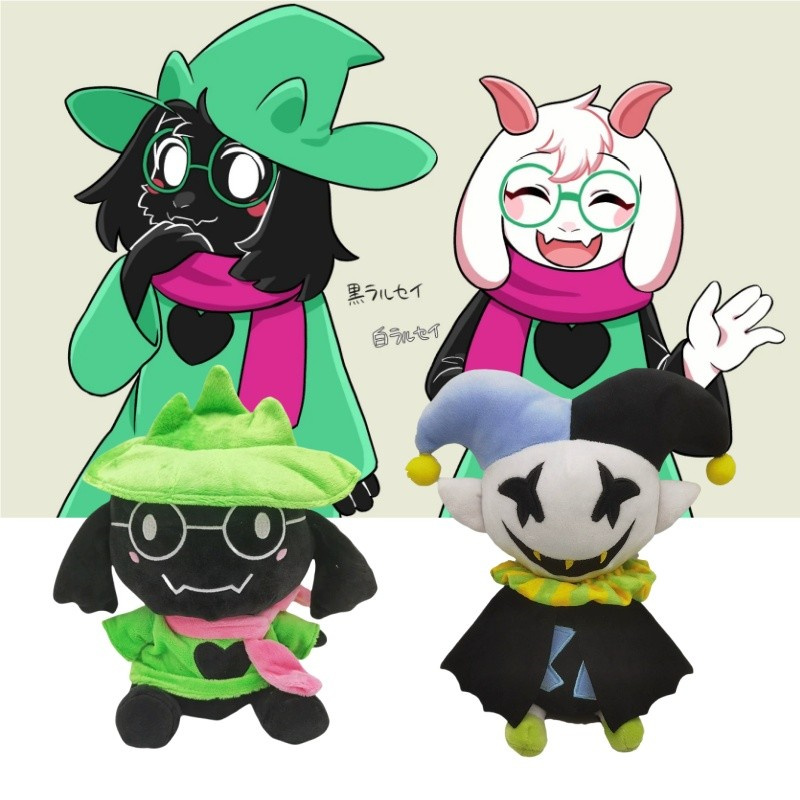
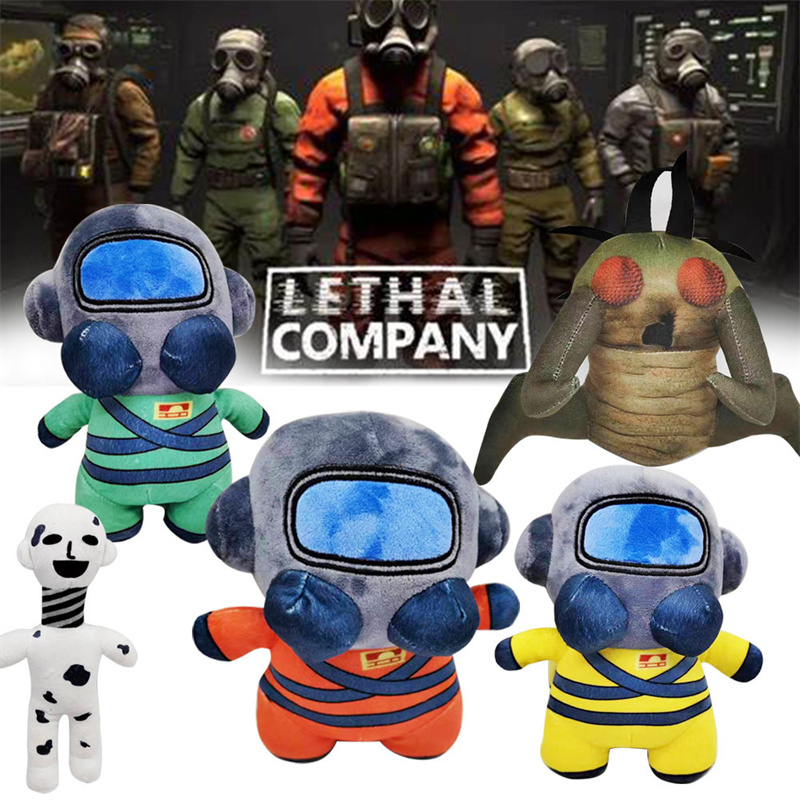
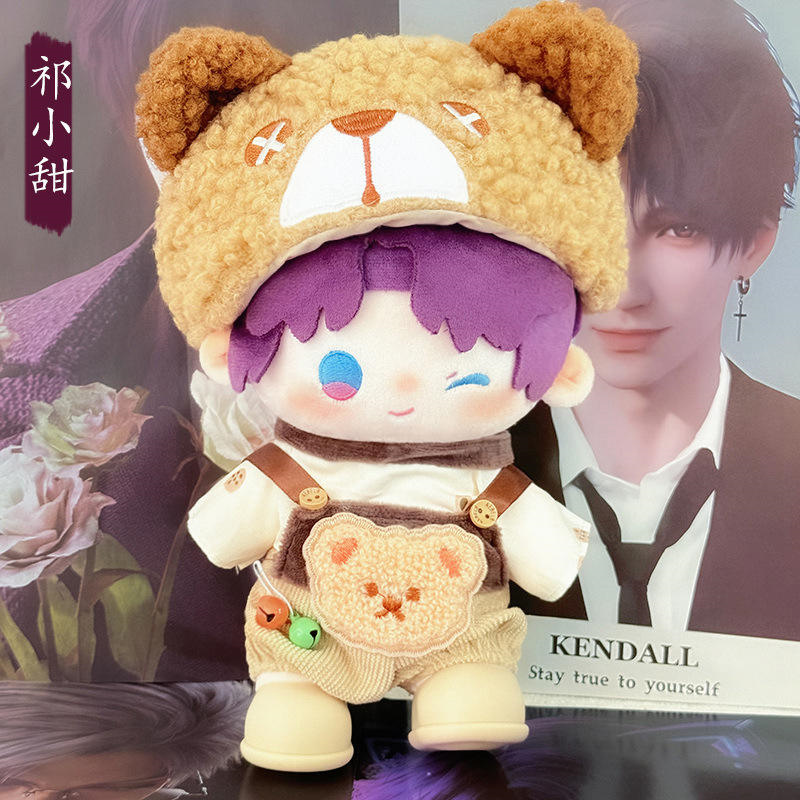
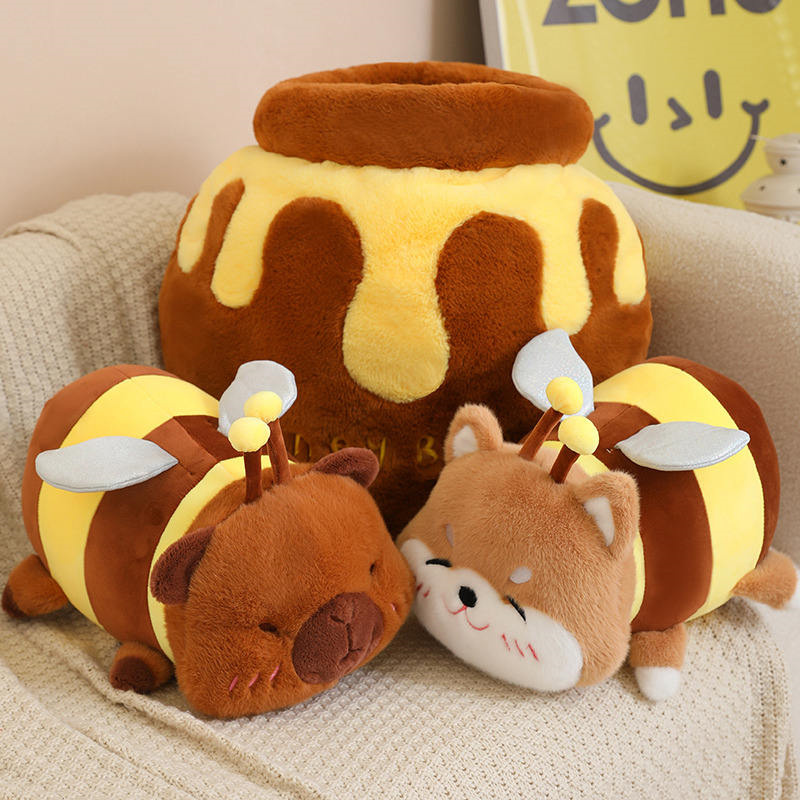
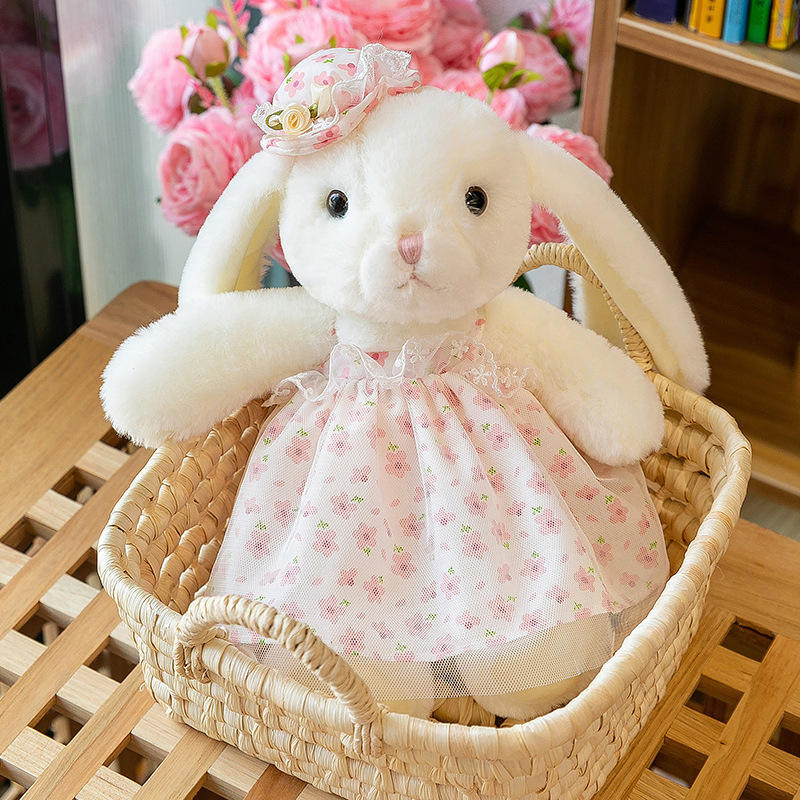
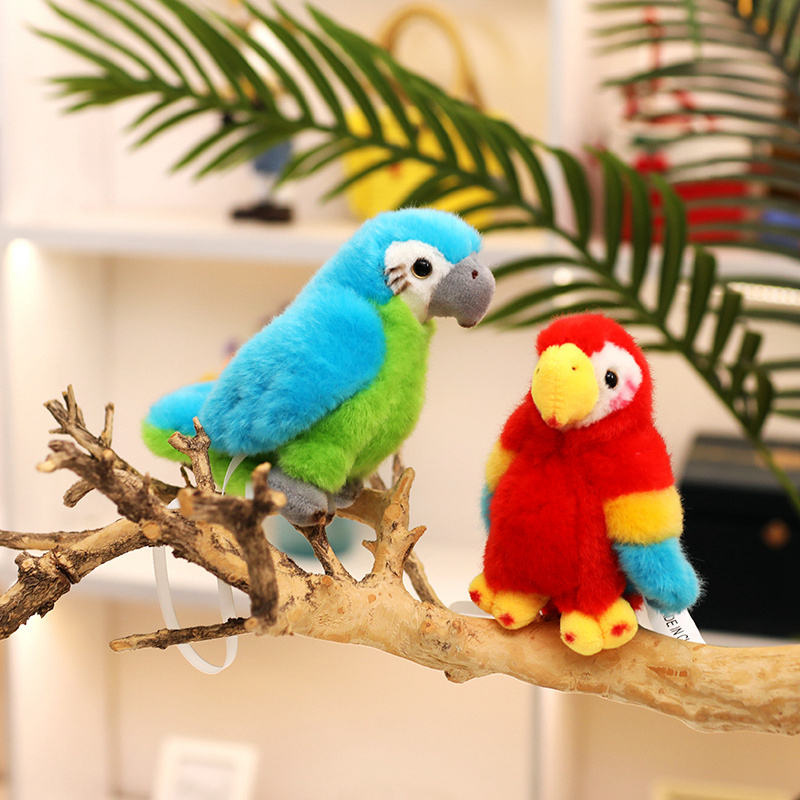
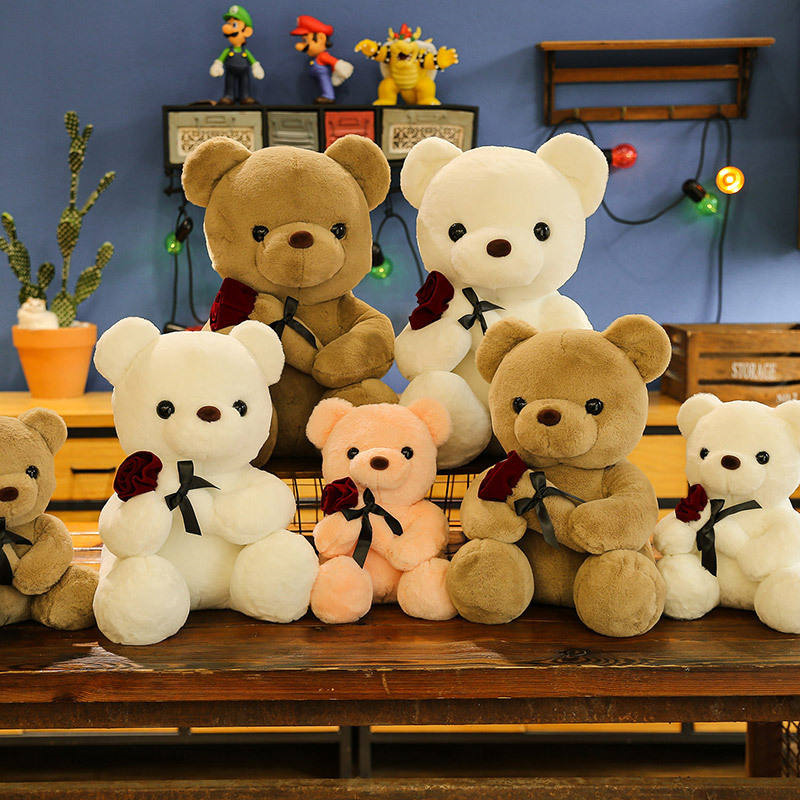
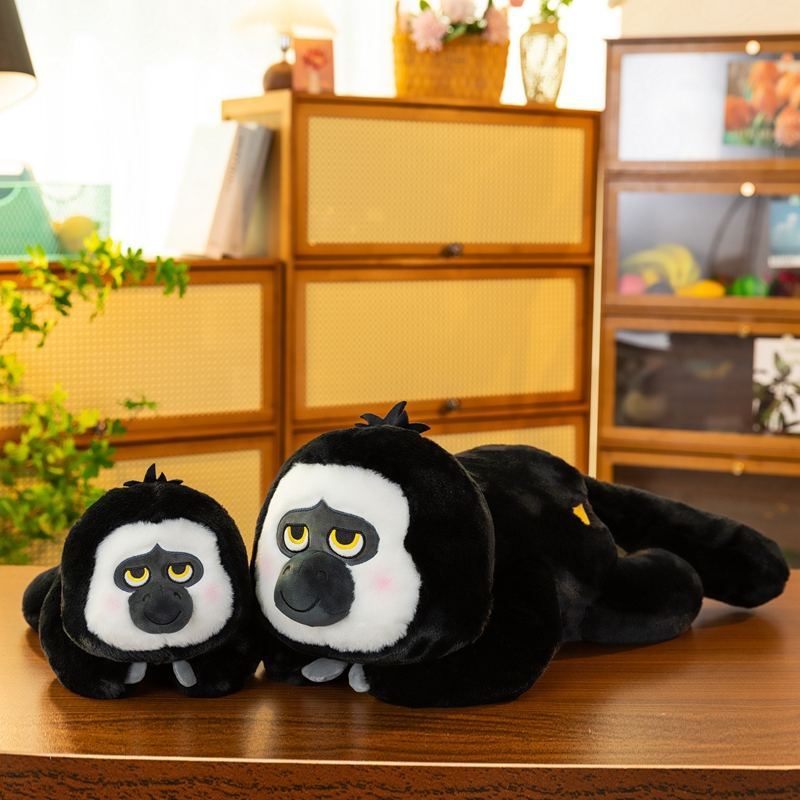
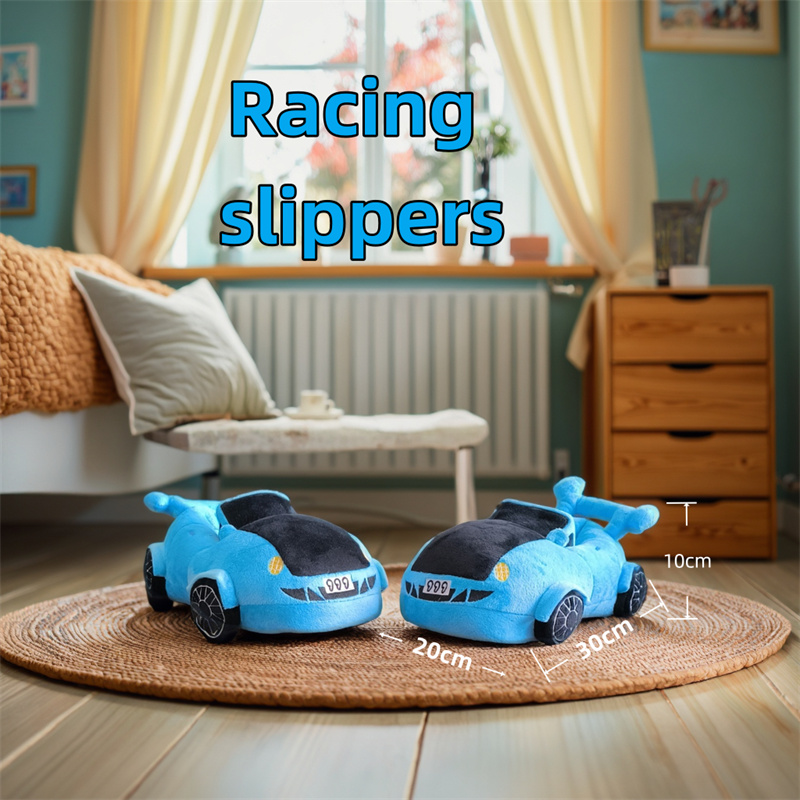
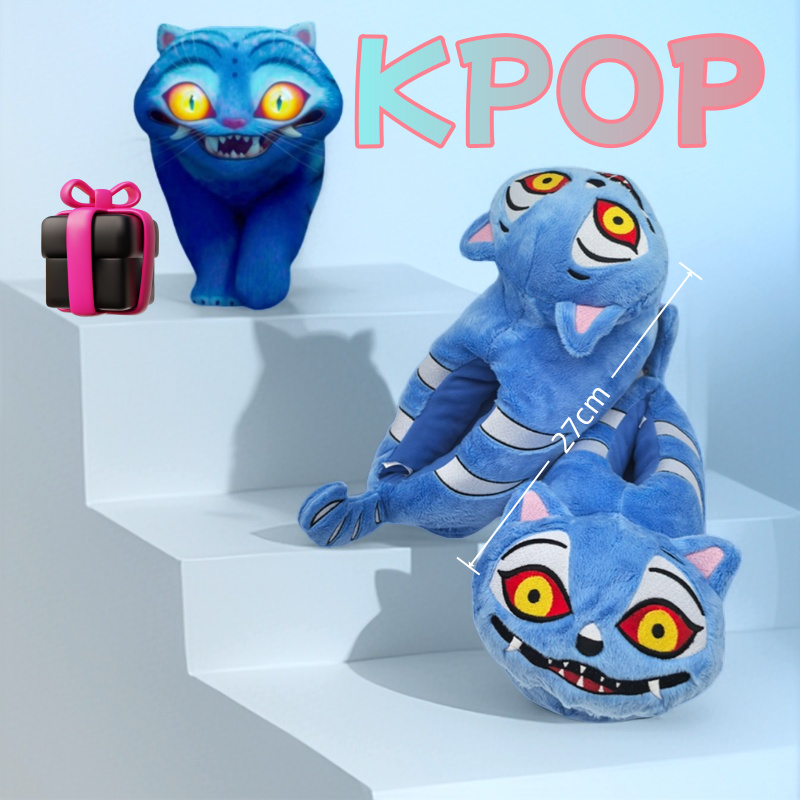
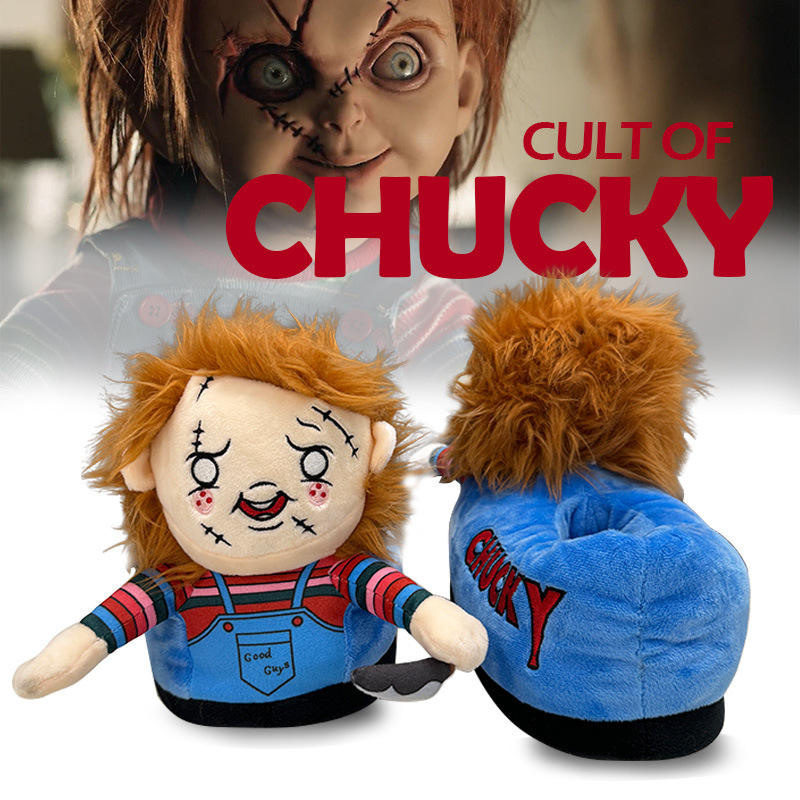
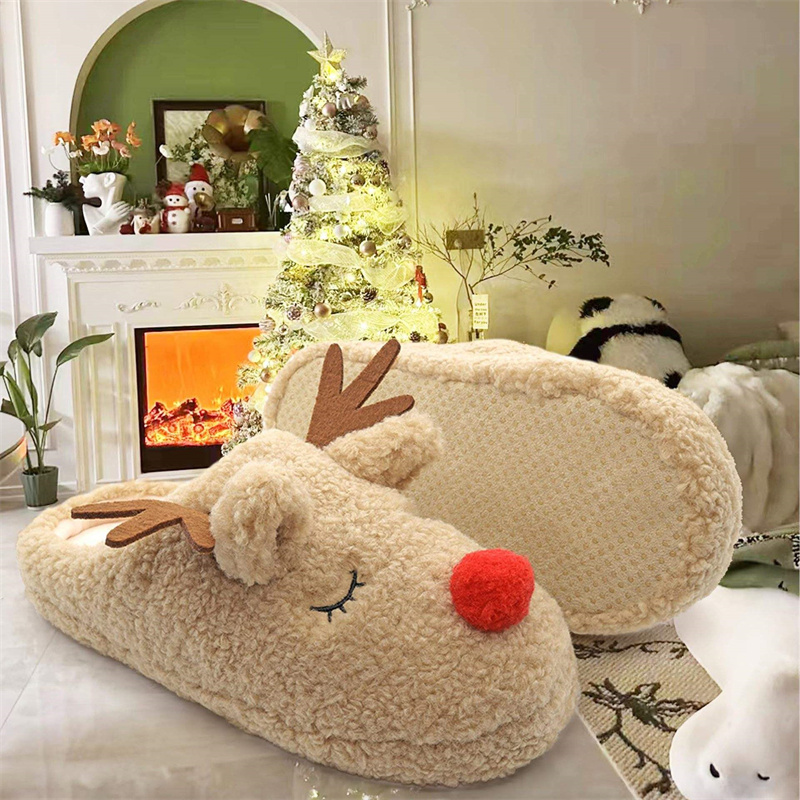
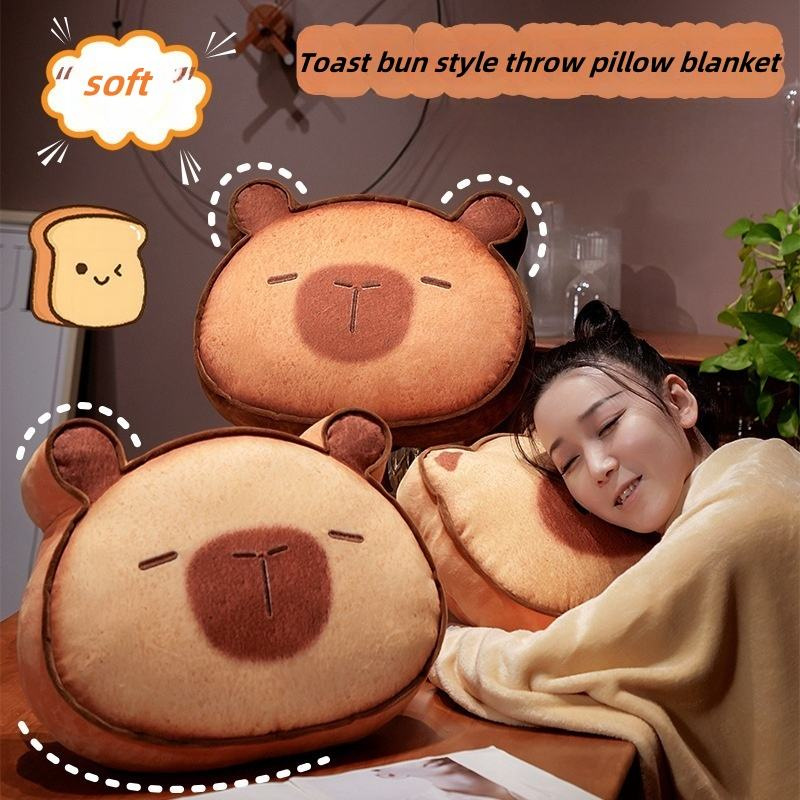
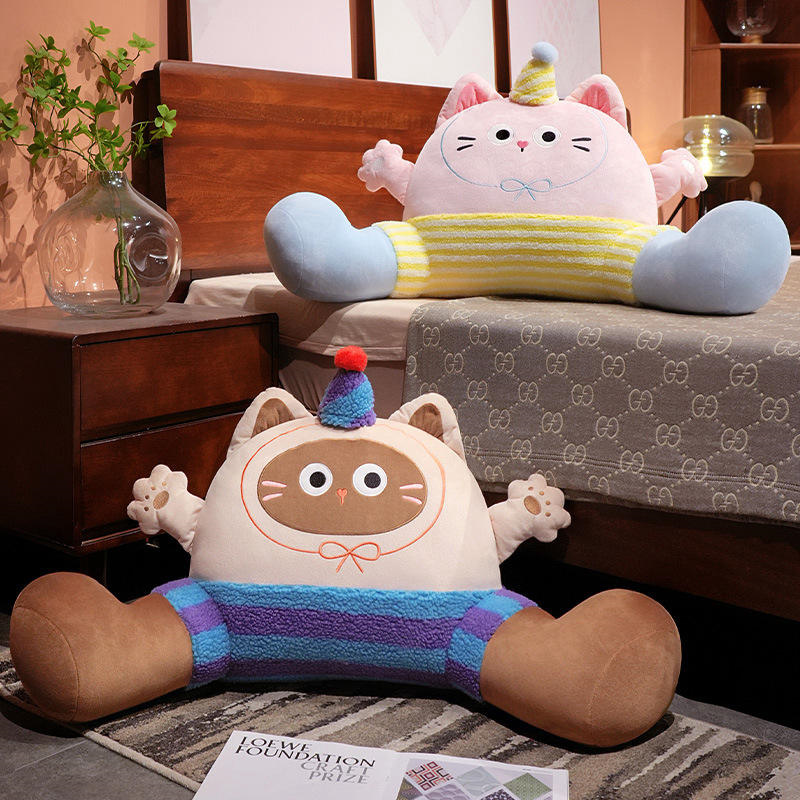
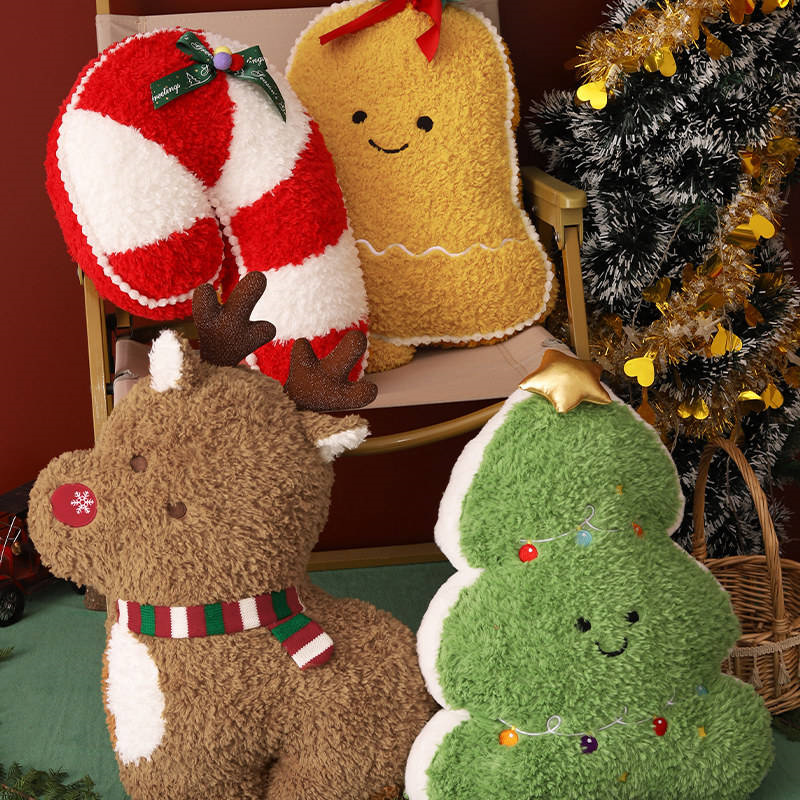
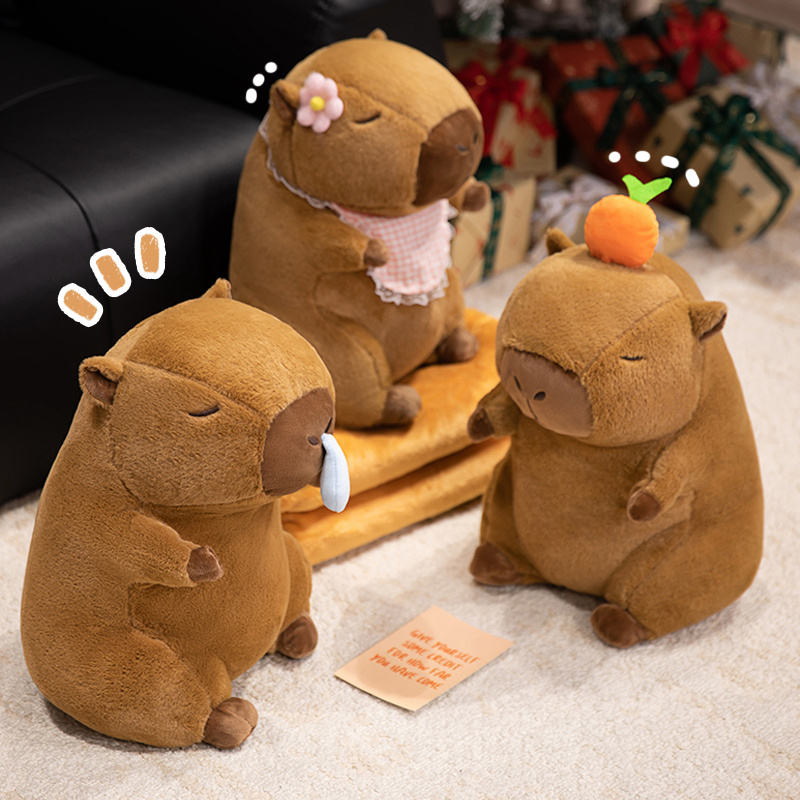
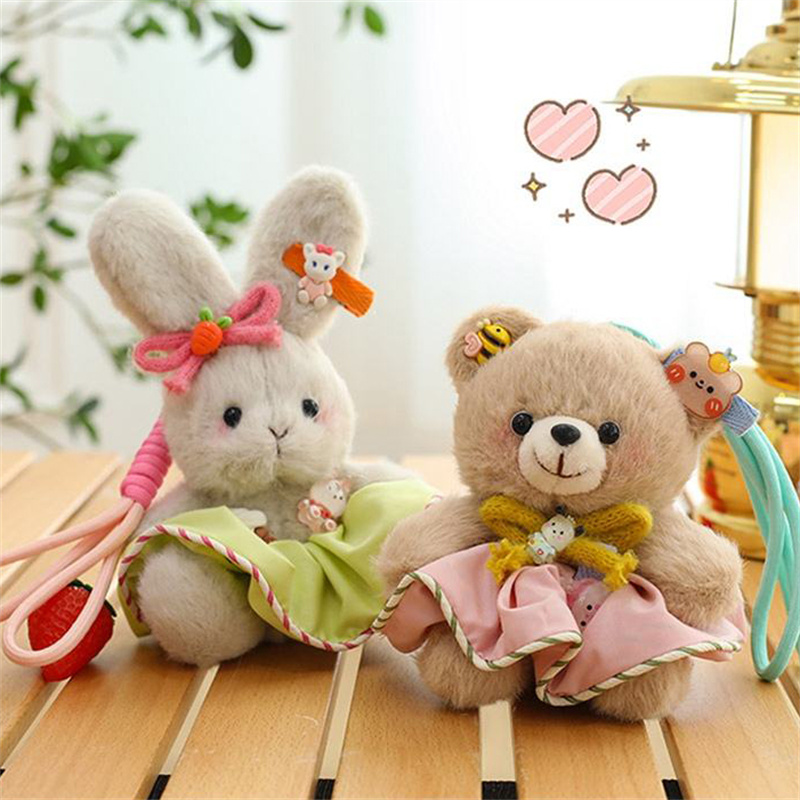
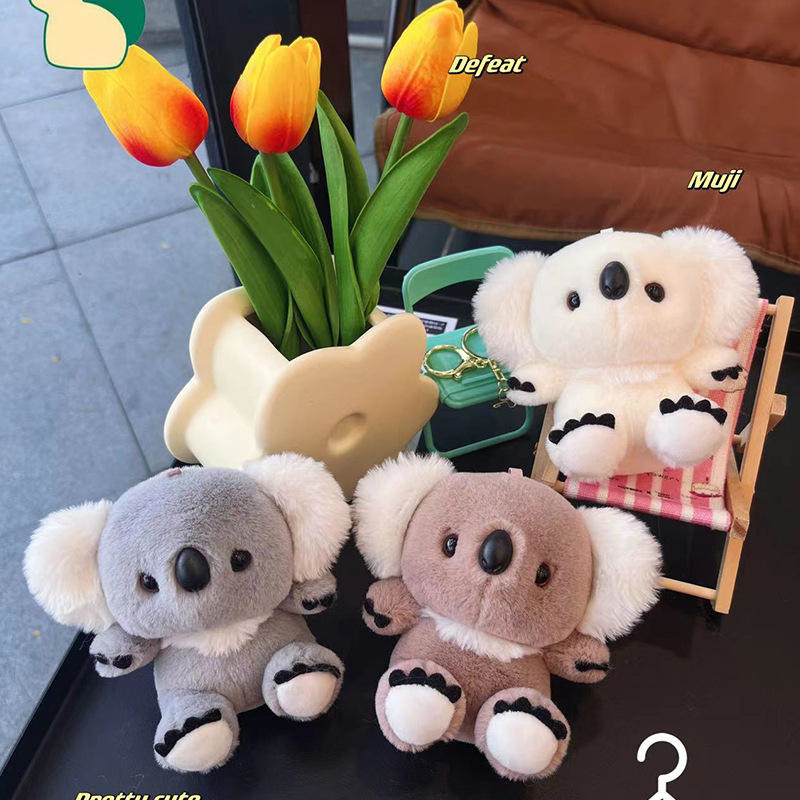
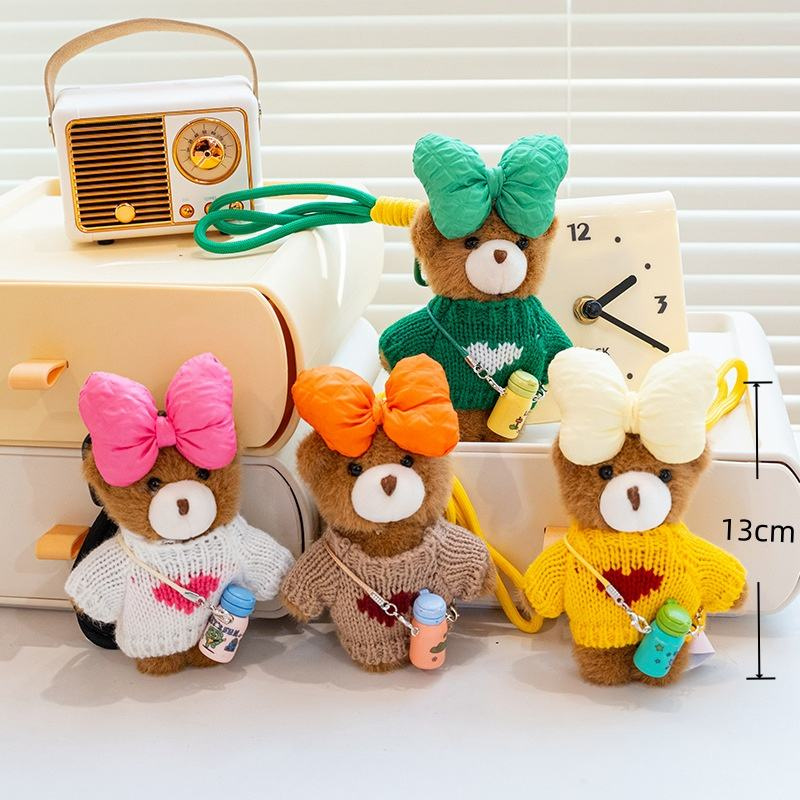
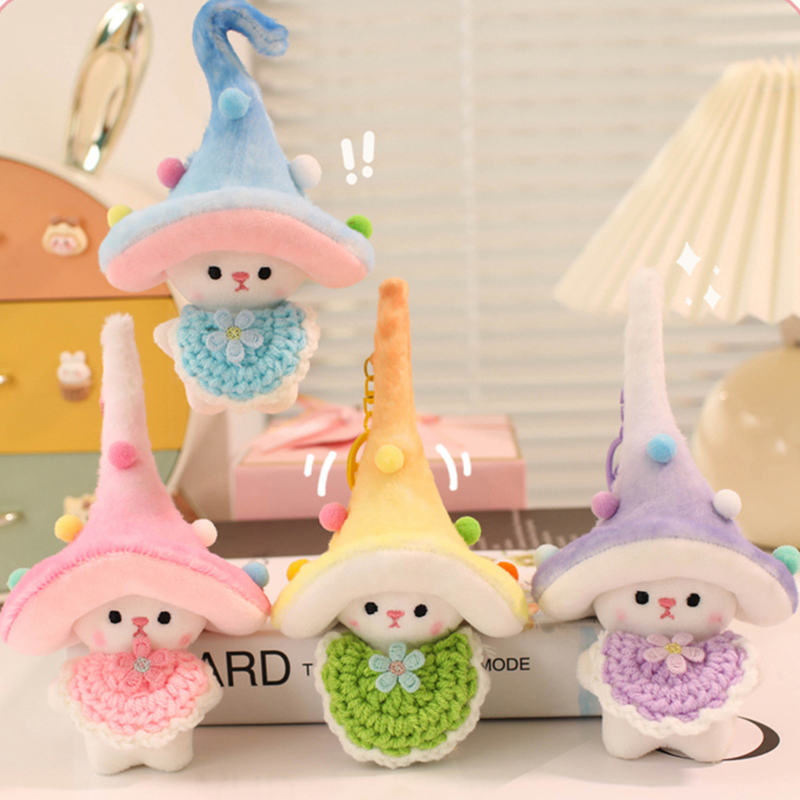
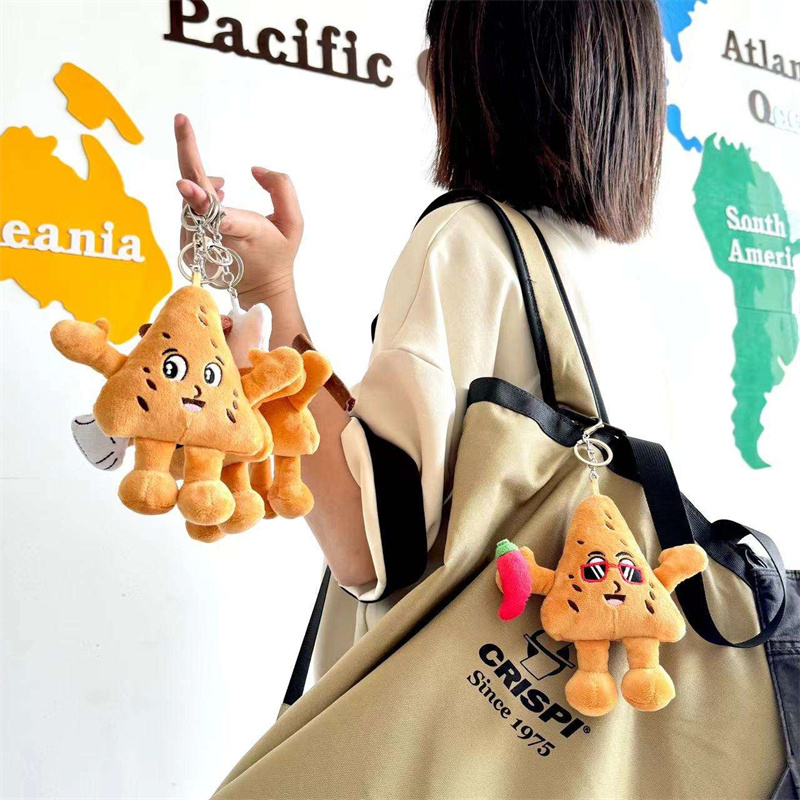

Simply send us your ideas or designs for plush dolls, stuffed animals, pillows, keychains, or slippers - we can't wait to bring your concepts to life.

Our team will create detailed patterns and provide the first sample for your feedback and approval.

Your custom plush products are made with the best materials and through strict quality control.
Reliable shipping to educational institutions and non-profit organizations worldwide.


