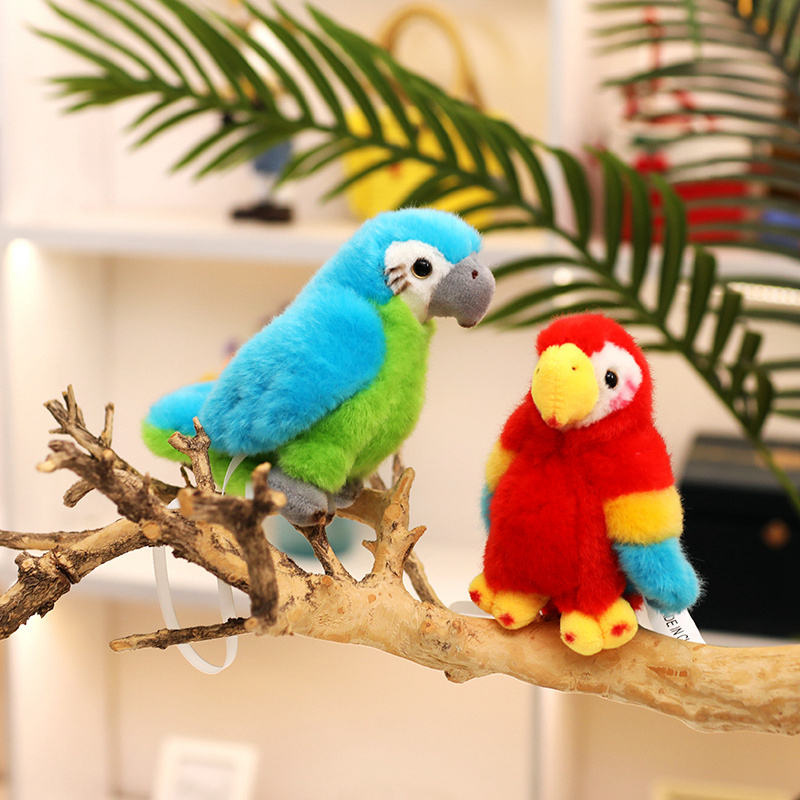
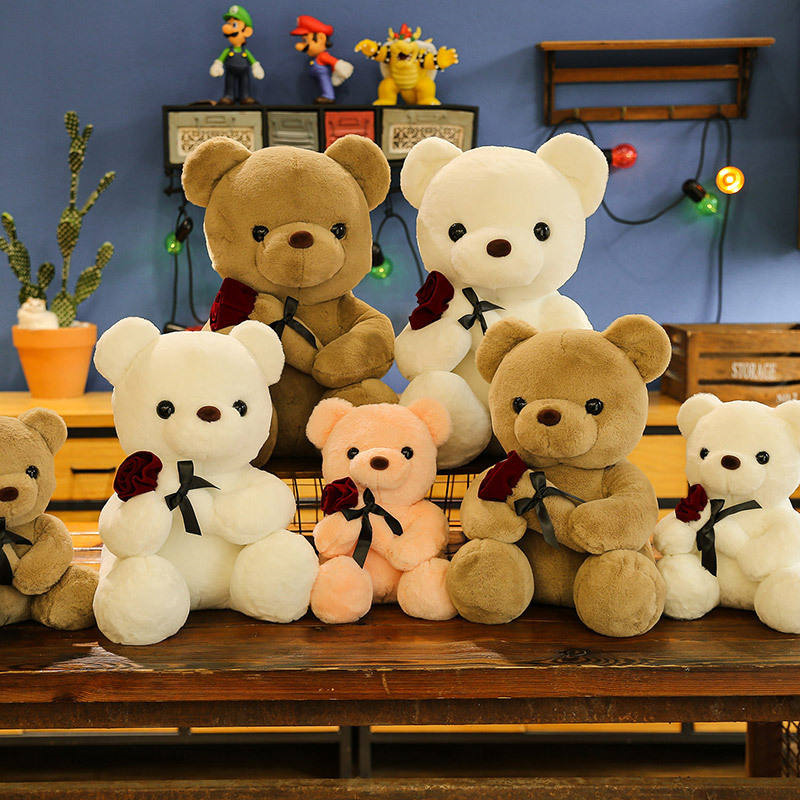
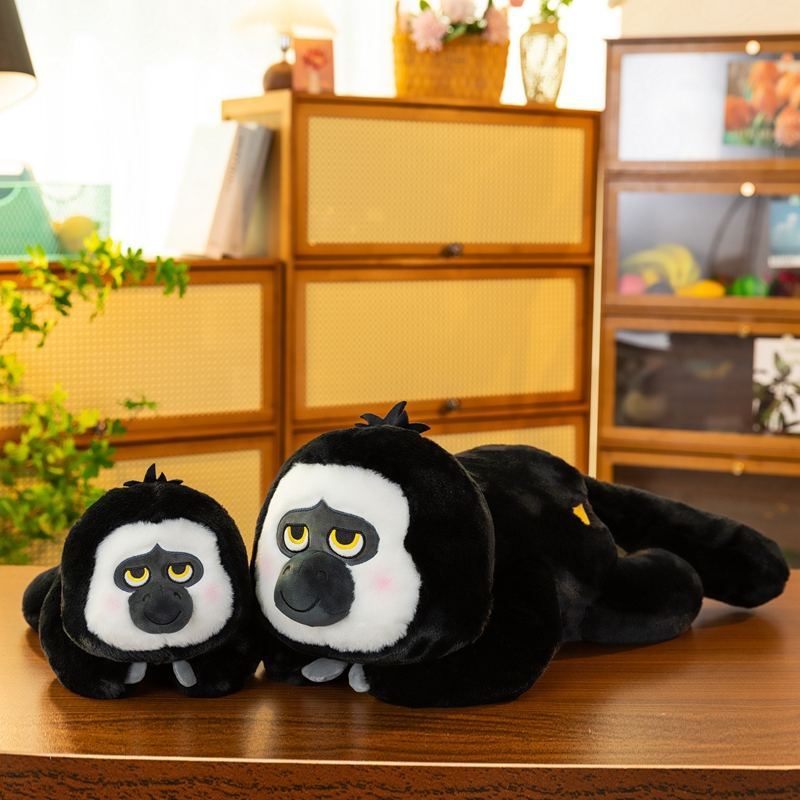
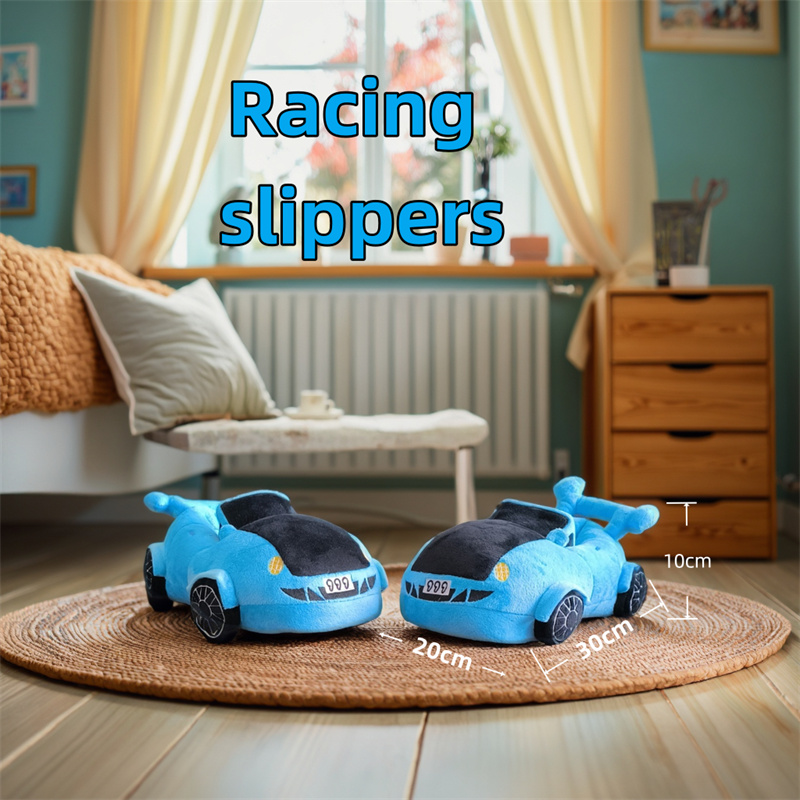
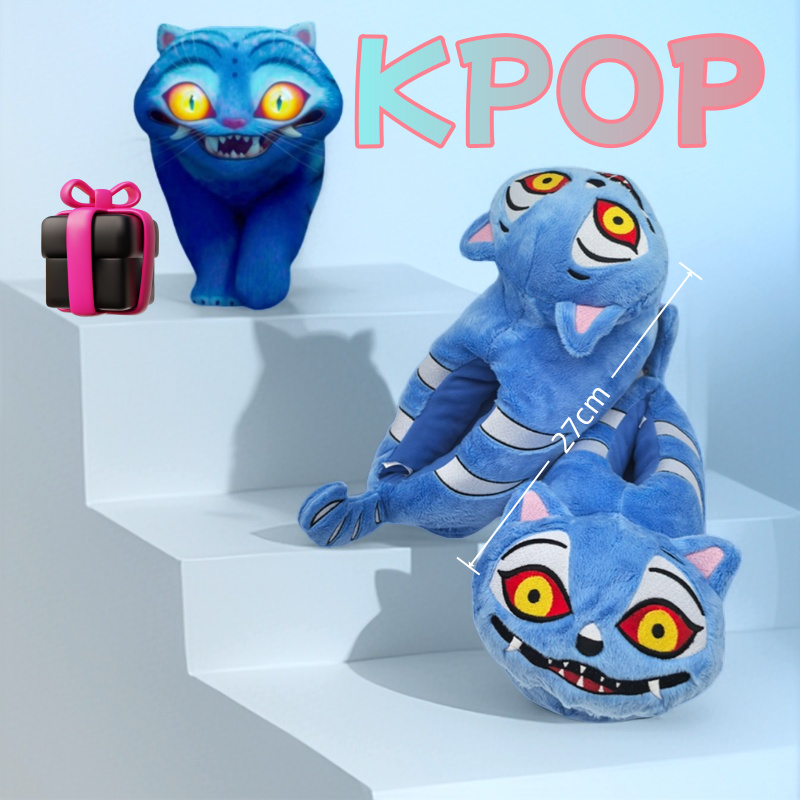
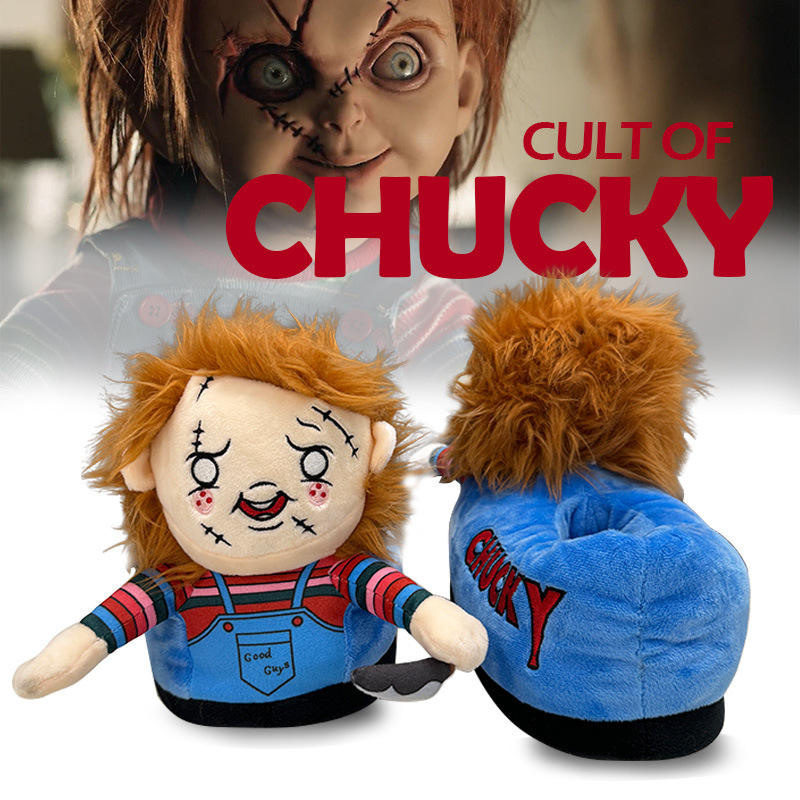
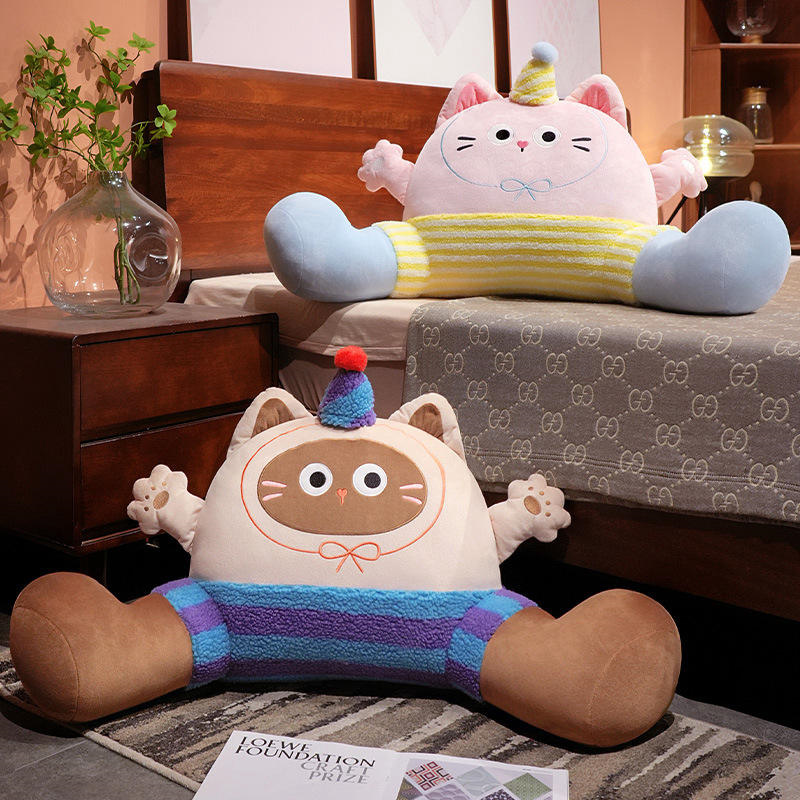
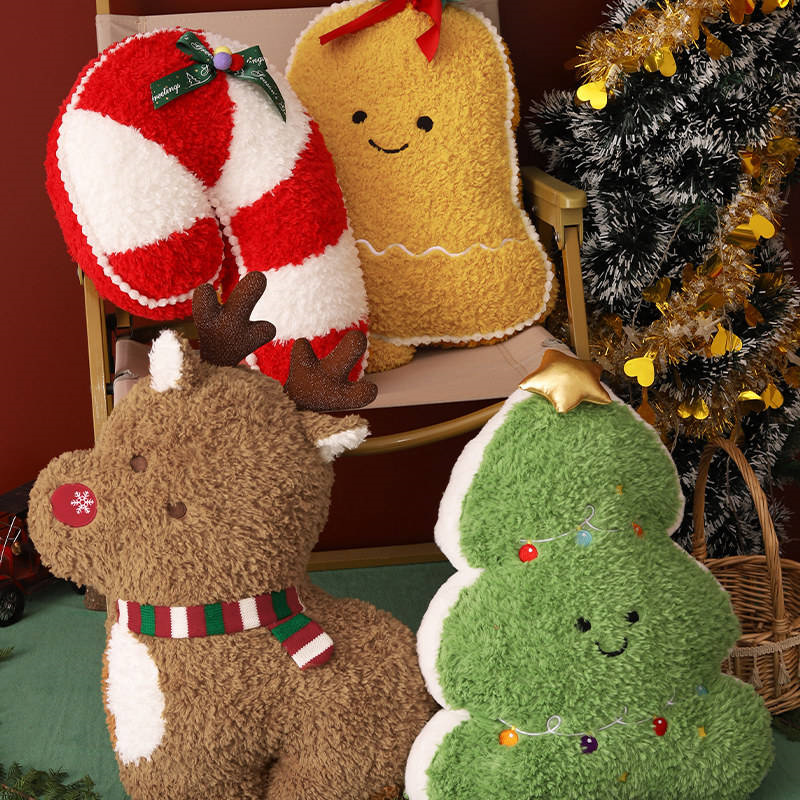
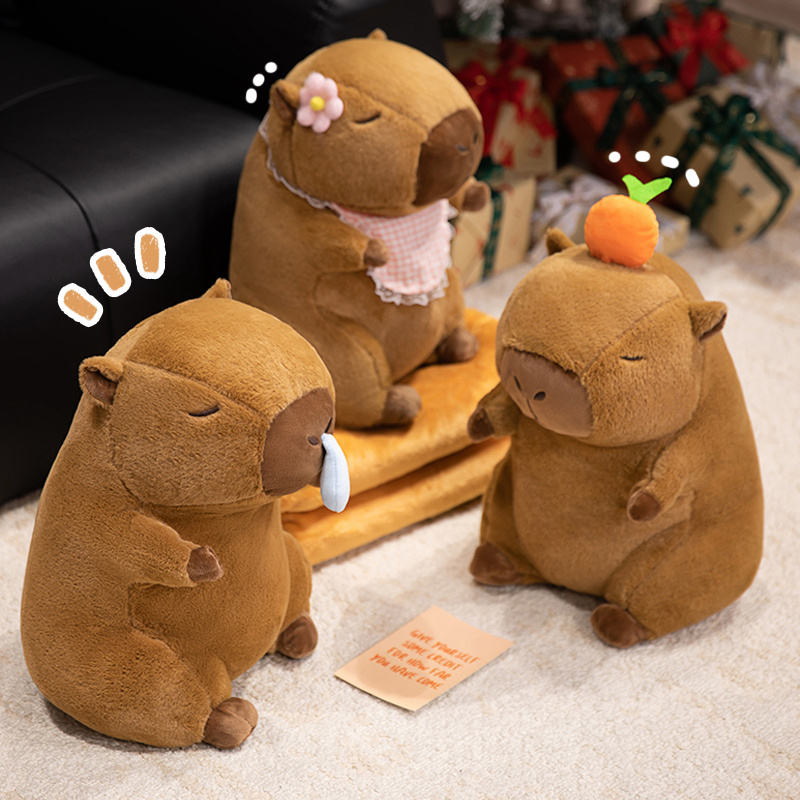
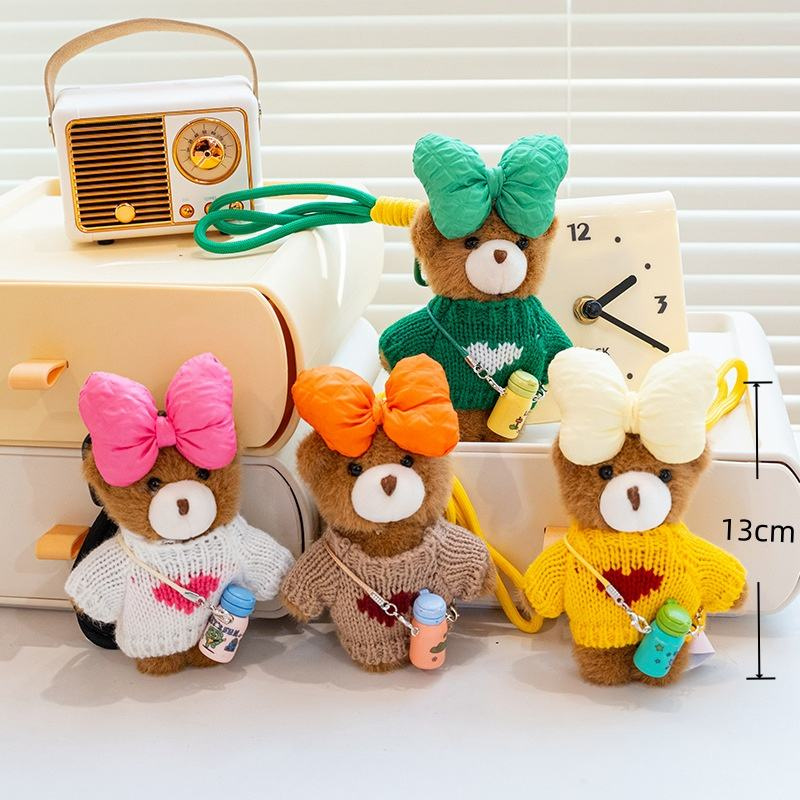
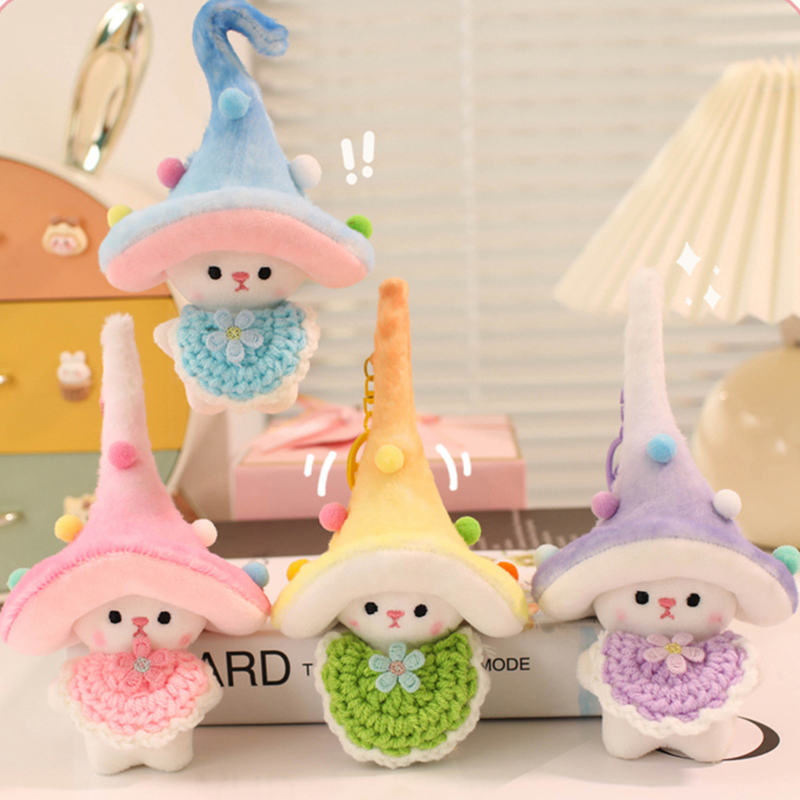
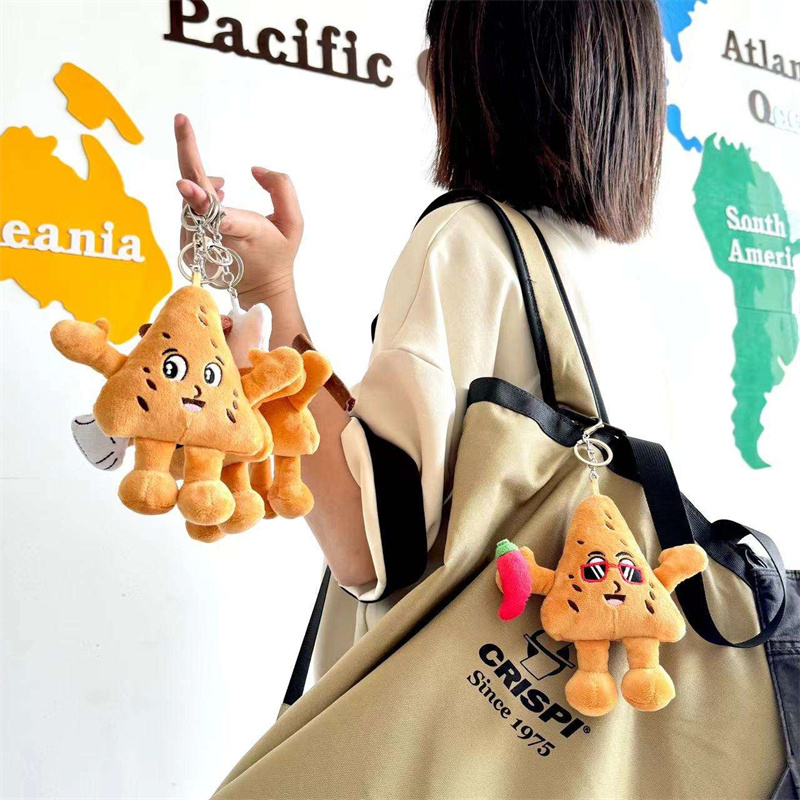
In the dynamic intersection of creative expression and manufacturing innovation, soft toys have emerged as the ultimate medium for fan art realization. This transformation from digital artwork to tangible plush products represents a revolutionary shift in how fans engage with their favorite characters, stories, and creative universes.
The global market for custom plush toys and fan art merchandise has experienced exponential growth, reaching an estimated value of $9.8 billion in 2024. This surge is driven by the convergence of fandom culture, e-commerce accessibility, and advanced manufacturing capabilities. Fan artists and content creators are increasingly turning to soft toy production as a primary revenue stream, with many reporting that physical merchandise accounts for 60-70% of their total income.
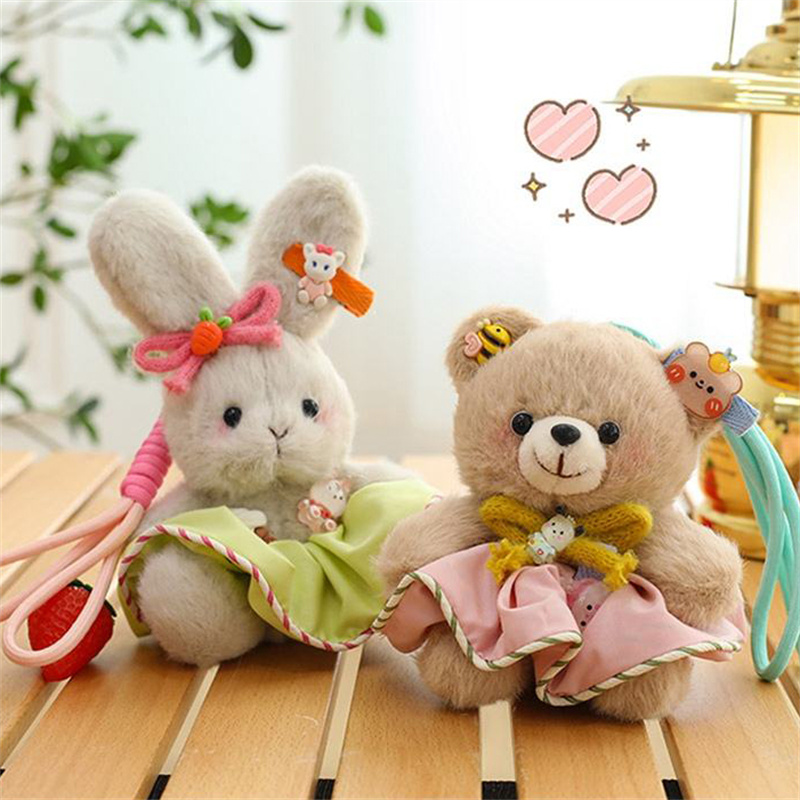
Today's fan art consumers seek authenticity and quality in their collectibles. The demand for custom soft toys has shifted from mass-produced generic items to highly personalized, limited-edition pieces that reflect specific artistic visions. Crowdfunding platforms have enabled artists to gauge interest and secure pre-orders before production, minimizing financial risk while maximizing creative freedom.
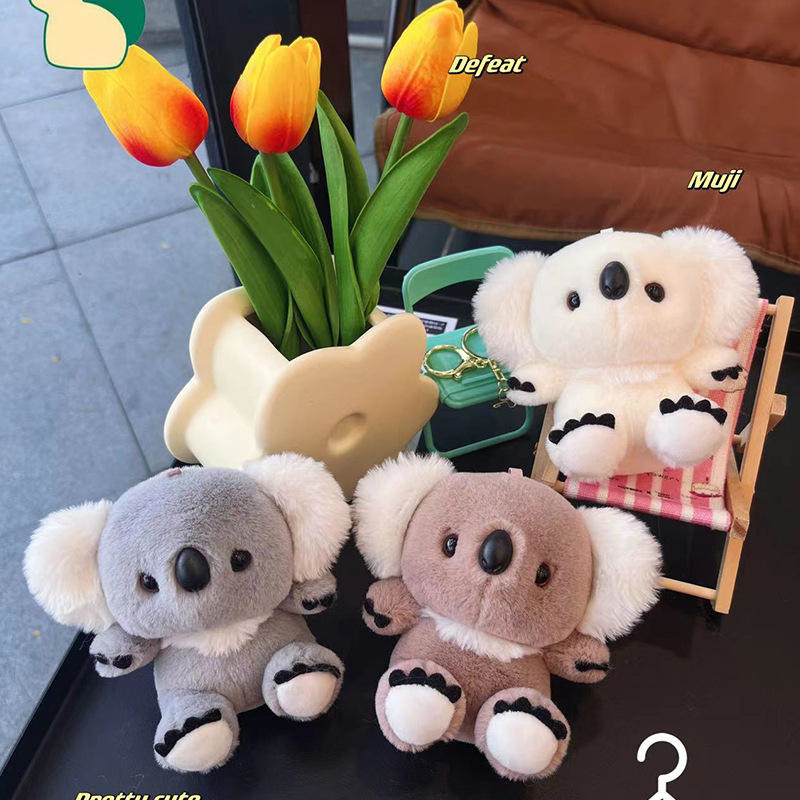
The demographic landscape shows that millennials and Gen Z collectors (ages 18-35) represent approximately 68% of the fan art soft toy market. These consumers value craftsmanship, ethical manufacturing, and direct support of independent artists. The average transaction value for custom fan art plush toys ranges from $25 to $150, with limited editions commanding premium prices up to $500 or more.
Modern soft toy manufacturing for fan art realization has transformed dramatically with technological advancement. Digital pattern-making software allows artists to visualize their designs in 3D before production begins. Advanced embroidery machines can replicate intricate artwork details with precision previously impossible with traditional methods. Sublimation printing technology enables full-color designs on plush fabrics, opening new creative possibilities for artists working with complex color palettes and gradients.
Professional plush toy manufacturers specializing in fan art realization offer comprehensive OEM/ODM services that bridge the gap between artistic vision and physical product. These facilities employ skilled artisans who understand both traditional craftsmanship and contemporary design requirements. The production process involves multiple quality control checkpoints, ensuring that each piece accurately represents the original artwork while meeting safety standards and durability requirements.
The industry has witnessed significant advancement in sustainable material options. Eco-conscious artists and manufacturers are increasingly adopting recycled polyester filling, organic cotton fabrics, and non-toxic dyes. These materials maintain the softness and visual appeal consumers expect while reducing environmental impact. Some manufacturers now offer carbon-neutral shipping options and biodegradable packaging, addressing the growing consumer demand for environmentally responsible products.
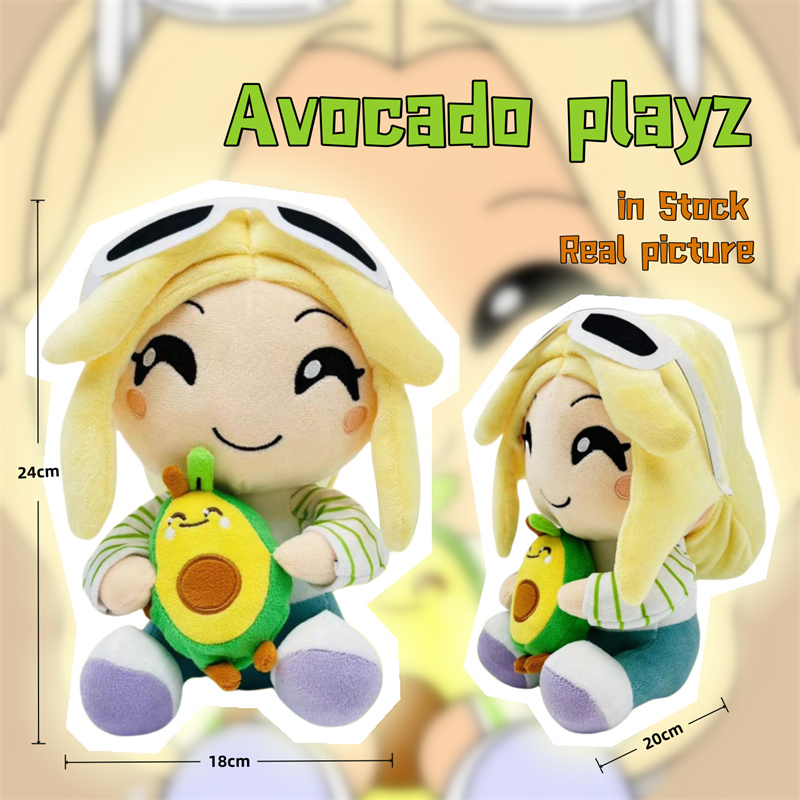
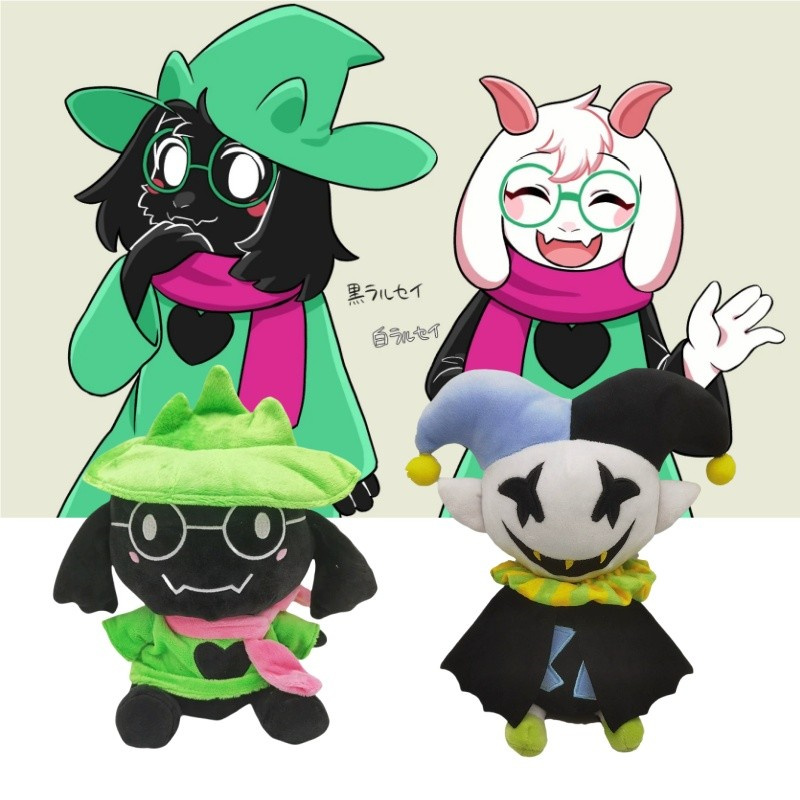
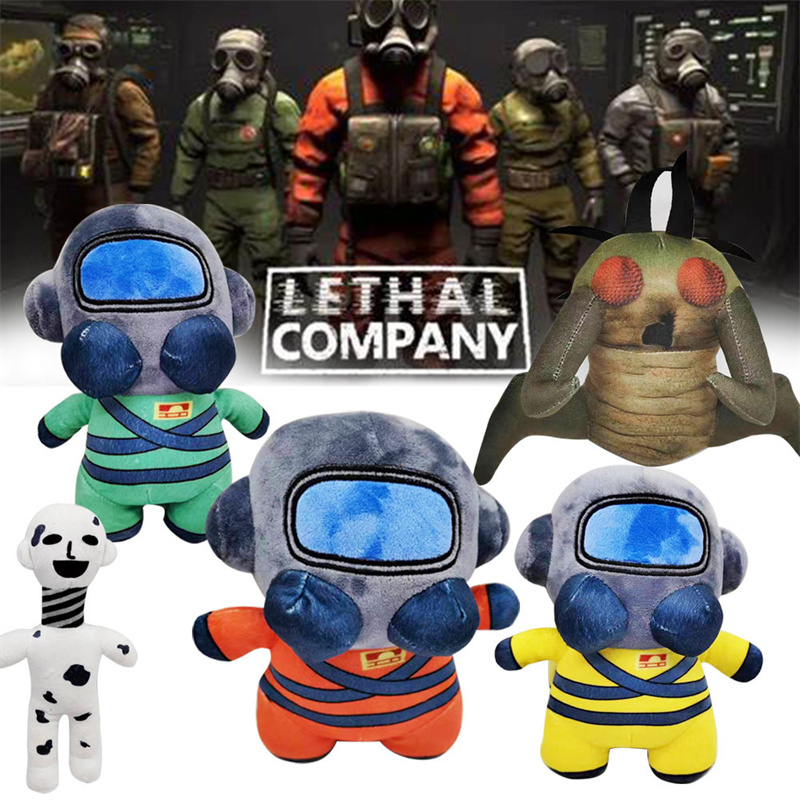
Video game fan art represents the largest segment, with indie game characters and viral gaming moments driving demand for custom plush toys. Streamers and content creators collaborate with manufacturers to produce limited runs that sell out within hours.
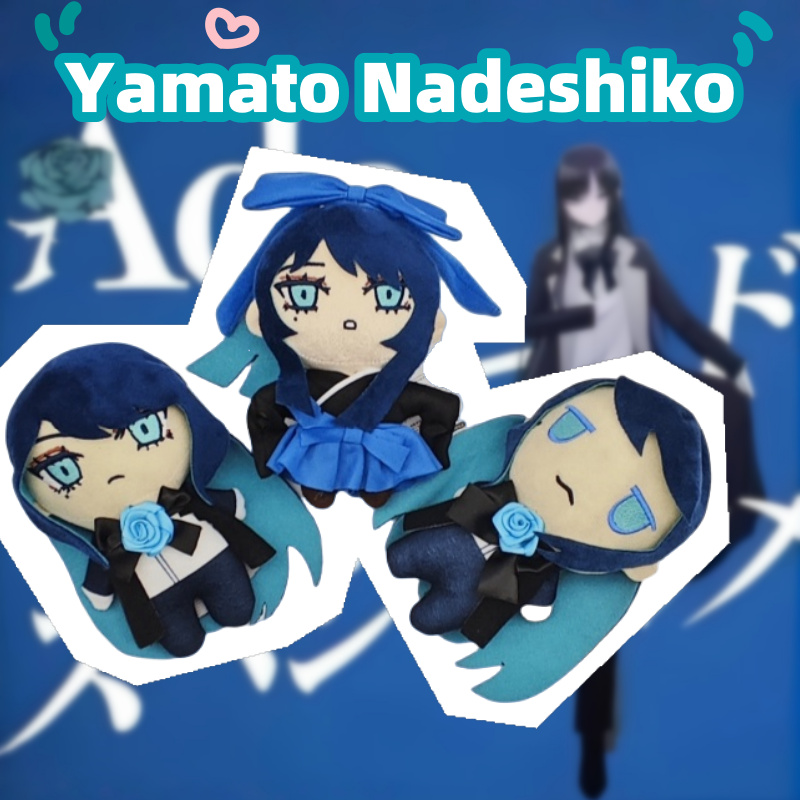
Japanese animation continues to inspire countless fan artists who create original character interpretations. Custom soft toys allow fans to own unique versions of beloved characters that reflect individual artistic styles and creative interpretations.
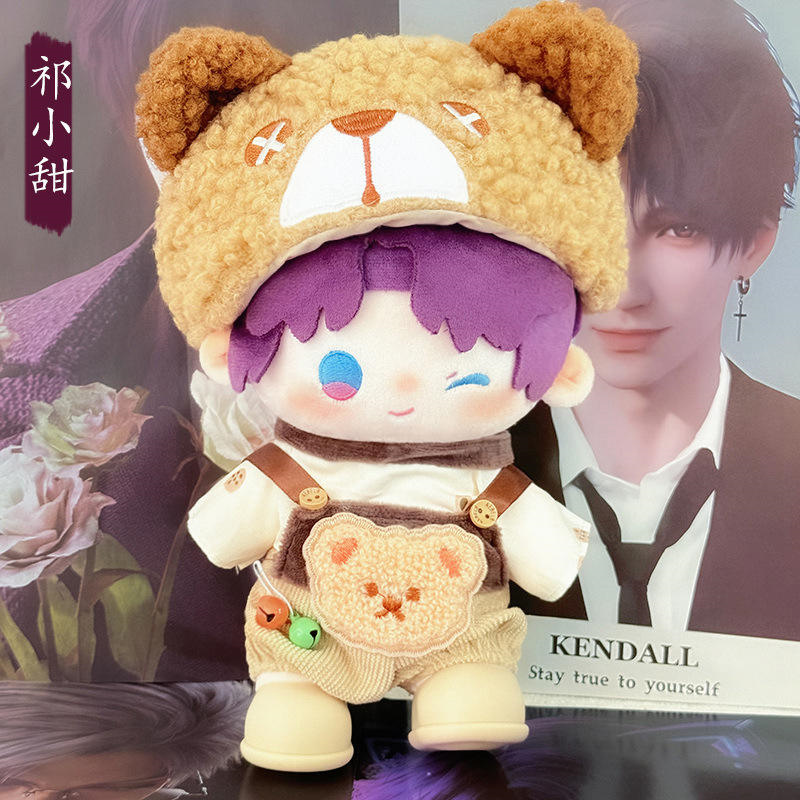
Independent artists creating original characters (OCs) use soft toys as a primary method for bringing their creations into the physical world. These products serve as portfolio pieces, merchandise for conventions, and collectibles for dedicated followers.
Artist alleys at conventions worldwide have transformed into showcases for custom soft toy craftsmanship. Artists report that well-executed plush toys generate significantly higher profit margins than prints or stickers. The tactile nature of soft toys creates emotional connections that drive impulse purchases and repeat customers. Successful convention vendors typically produce 50-200 units per design, with popular items selling out during the first day of major events.
The soft toy industry has facilitated partnerships between fan artists and official brands. Companies recognize that fan-created designs often resonate more authentically with communities than corporate merchandise. These collaborations typically involve limited production runs that benefit both the artist's creative reputation and the brand's community engagement. Licensing agreements for fan art soft toys have become increasingly sophisticated, with clear frameworks protecting both parties' interests.
Beyond collectibles, custom soft toys serve educational and therapeutic purposes. Character-based learning tools help children engage with educational content. Therapists use custom plush toys as comfort objects for patients dealing with anxiety or trauma. The customization capabilities allow for highly personalized therapeutic tools that address specific needs and preferences.
Businesses increasingly commission custom soft toys as premium promotional items. Unlike traditional corporate gifts, high-quality plush toys create lasting impressions and maintain brand visibility in personal spaces. Tech companies, entertainment studios, and lifestyle brands have successfully used custom soft toys to humanize their brands and create emotional connections with customers.
The next frontier in fan art soft toy production involves smart technology integration. Manufacturers are experimenting with NFC chips embedded in plush toys that unlock digital content, augmented reality experiences, or authenticate limited editions. Voice modules and touch-sensitive fabrics enable interactive experiences that blur the line between physical collectible and digital engagement.
Advances in automated manufacturing are making small-batch and even single-unit production economically viable. This shift enables artists to offer truly personalized products without maintaining large inventories. On-demand production reduces waste, lowers entry barriers for emerging artists, and allows for rapid iteration based on customer feedback.
The industry is moving toward distributed manufacturing networks that reduce shipping times and costs. Regional production facilities allow artists to serve international markets more efficiently while maintaining quality control. This decentralization also provides resilience against supply chain disruptions that have challenged global manufacturing in recent years.
Social media platforms have transformed how fan art soft toys are conceived and marketed. Artists now involve their communities in design decisions, from initial concept sketches to final production details. This collaborative approach builds anticipation, ensures market fit, and creates invested customers who feel ownership in the creative process.
Professional manufacturers adhere to international safety standards including ASTM F963, EN71, and ISO 8124. All materials undergo testing for harmful substances, ensuring products are safe for all ages. Fire resistance testing, seam strength verification, and colorfastness evaluation are standard procedures. Reputable manufacturers provide certification documentation and maintain traceability throughout the production process.
Successful fan art soft toy production requires careful financial planning. Minimum order quantities typically range from 50 to 300 units depending on complexity. Unit costs decrease significantly with volume, but artists must balance affordability with inventory risk. Many successful creators use pre-order campaigns to fund production, ensuring sold inventory before manufacturing begins. Pricing strategies must account for production costs, shipping, platform fees, and artist compensation while remaining competitive in the market.
The legal landscape surrounding fan art has evolved considerably. While creating derivative works presents copyright challenges, many rights holders now embrace fan creativity as community engagement. Artists producing fan art soft toys should understand fair use principles, transformative work concepts, and when to seek licensing agreements. Some platforms and manufacturers offer guidance on navigating these complex issues, helping artists protect themselves while respecting original creators' rights.
Selecting the right manufacturing partner is crucial for fan art realization success. Key factors include minimum order quantities, sampling capabilities, communication efficiency, quality consistency, and production timelines. Established manufacturers offer design consultation, helping artists optimize their concepts for production feasibility. Transparent pricing structures, clear contract terms, and reliable delivery schedules distinguish professional operations from unreliable vendors.
The best manufacturing partnerships involve collaborative problem-solving. Experienced producers can suggest material alternatives that maintain artistic vision while improving durability or reducing costs. They understand the nuances of translating 2D artwork into 3D forms, advising on proportions, structural support, and feature placement that ensure the final product captures the original art's essence.