Leave Your Message
The educational landscape has undergone significant transformation in recent years, with soft toys emerging as powerful tools for learning and development. Educational institutions worldwide are increasingly recognizing that plush toys serve purposes far beyond simple entertainment. These tactile, comforting objects have become integral components of modern pedagogical approaches, particularly in early childhood education, special needs programs, and therapeutic learning environments.
Research consistently demonstrates that soft toys facilitate emotional development, enhance social skills, and provide comfort during challenging learning experiences. For children with autism spectrum disorders or sensory processing challenges, weighted plush toys and textured stuffed animals offer proprioceptive input that can calm anxiety and improve focus. In traditional classroom settings, character-based plush toys serve as mascots that make abstract concepts more relatable and memorable.
The global educational toy market, valued at over $35 billion in 2023, continues to expand at a compound annual growth rate of 8.2%. This growth reflects educators' increasing investment in multi-sensory learning tools. Soft toys specifically designed for educational purposes now incorporate elements like alphabet letters, numbers, anatomical features, and cultural symbols, transforming playtime into valuable learning opportunities.
Non-profit organizations have discovered that custom soft toys serve as exceptional fundraising tools and brand ambassadors. Unlike traditional promotional items, plush toys create emotional connections that keep causes top-of-mind long after initial donations. Organizations focused on wildlife conservation, children's health, disaster relief, and social justice have successfully deployed branded stuffed animals to increase visibility and generate sustainable revenue streams.
The World Wildlife Fund's iconic panda plush program has raised millions while educating supporters about endangered species. Similarly, hospital foundations provide comfort bears to pediatric patients, simultaneously offering emotional support and creating lasting associations between the organization and positive experiences. These dual-purpose applications demonstrate how soft toys transcend mere merchandise to become mission-critical tools.
Humanitarian organizations working in crisis zones have found that distributing soft toys to displaced children provides psychological comfort during traumatic circumstances. UNICEF and Red Cross programs regularly include stuffed animals in emergency relief packages, recognizing their role in trauma recovery and emotional stabilization. These items offer children something safe to hold, a sense of normalcy, and a non-threatening outlet for processing difficult emotions.
Mental health organizations utilize specially designed plush companions in therapy programs for individuals dealing with anxiety, depression, and PTSD. Weighted therapy animals and sensory-friendly designs help regulate nervous systems and provide grounding during emotional distress. The tactile nature of soft toys activates calming neural pathways, making them valuable adjuncts to professional therapeutic interventions.
Educational institutions and non-profits increasingly prioritize eco-friendly materials. Organic cotton, recycled polyester filling, and biodegradable packaging align with institutional sustainability goals while teaching environmental responsibility.
Modern educational plush toys incorporate science, technology, engineering, and mathematics concepts. Anatomically accurate organ plushies, molecule models, and coding character sets transform complex subjects into approachable learning tools.
Diverse and inclusive designs reflect global classrooms. Soft toys representing various ethnicities, abilities, and family structures help children see themselves in their learning materials and develop cultural competency.
Educational products meet rigorous safety certifications including ASTM F963, EN71, and CPSIA compliance. Reinforced stitching, embroidered features instead of plastic components, and hypoallergenic materials ensure child safety.
Smart plush toys with embedded sensors, audio components, and app connectivity create blended learning experiences. These innovations maintain the comfort of traditional stuffed animals while adding educational interactivity.
Low minimum order quantities and rapid prototyping enable schools and non-profits to create mission-specific designs without prohibitive upfront costs. Digital printing and modular design systems facilitate personalization.
Preschools and daycare facilities utilize soft toys as transitional objects that ease separation anxiety, teaching tools for counting and color recognition, and props for imaginative play that develops narrative skills. Character-based plush sets representing community helpers, animals, and family members support social-emotional learning curricula. Teachers report that children demonstrate increased willingness to participate in group activities when favorite plush companions are incorporated into lessons.
Students with developmental disabilities benefit from sensory-rich plush toys designed with varied textures, sounds, and weights. Occupational therapists use these tools to develop fine motor skills through buttoning, zipping, and lacing activities integrated into plush designs. Communication boards attached to stuffed animals help non-verbal students express needs and emotions. The non-judgmental nature of plush companions creates safe spaces for practicing social interactions before engaging with peers.
Pediatric medical facilities provide procedure-preparation plush toys that allow children to role-play medical experiences, reducing fear and increasing cooperation during treatments. These educational tools feature removable bandages, IV lines, and cast components that demystify hospital equipment. Studies show that children who engage with medical plush toys before procedures require less sedation and demonstrate lower anxiety markers. Non-profit hospital foundations often sponsor these programs, with custom plush toys serving as both therapeutic tools and donor recognition items.
Reading programs incorporate character plush toys from popular children's books, creating multisensory literary experiences. Libraries offer "read to a stuffed animal" programs that build reading confidence in reluctant readers who feel less judged by plush audiences. English language learners benefit from vocabulary-building activities using labeled plush animals and objects. Storytelling kits with coordinating plush characters enable educators to bring narratives to life, improving comprehension and retention.
Conservation organizations distribute endangered species plush toys alongside educational materials about habitat protection and biodiversity. These tangible representations make abstract environmental concepts concrete for young learners. School-based recycling programs use mascot plush toys to gamify waste reduction efforts, with characters representing different recyclable materials. Outdoor education centers provide nature-themed stuffed animals that connect classroom learning to field experiences, reinforcing ecological principles through play.
Successful non-profit soft toy programs share common characteristics: clear mission alignment, compelling storytelling that connects products to impact, and transparent communication about how proceeds support programs. Organizations that provide donors with specific information—such as "this plush toy funds three therapy sessions" or "proceeds provide school supplies for ten children"—see significantly higher conversion rates than those with vague messaging.
Effective programs also consider the full lifecycle of their plush products. Donation programs that accept gently used soft toys for redistribution extend impact while promoting circular economy principles. Some organizations have developed take-back programs where supporters can return worn plush items for recycling, reinforcing environmental stewardship values. These closed-loop systems resonate particularly well with younger donors who prioritize sustainability.
Marketing strategies should emphasize emotional connections over transactional relationships. Sharing stories of specific children comforted by plush toys, students who overcame learning challenges with educational stuffed animals, or communities rebuilt with support from fundraising campaigns creates powerful narratives. Visual content showing plush toys in action—in classrooms, hospitals, or disaster relief settings—generates significantly more engagement than product-only imagery.
The intersection of soft toys and educational technology promises exciting developments. Augmented reality applications that bring plush toys to life through smartphone cameras create immersive learning experiences. These digital companions can speak multiple languages, tell stories, and guide children through educational content while maintaining the comfort of physical toys. Early implementations show particular promise for language learning and cultural education.
Artificial intelligence integration enables plush toys that respond to children's emotional states, adjusting interactions based on vocal tone and body language. These responsive companions could revolutionize special education by providing consistent, patient support tailored to individual learning needs. Privacy concerns and ethical guidelines are being developed alongside these technologies to ensure child safety remains paramount.
Accessibility improvements continue expanding the reach of educational soft toys. Designs incorporating braille labels, audio components for visually impaired students, and adaptive features for children with limited mobility ensure inclusive learning environments. Universal design principles applied to plush toy development benefit all students while specifically supporting those with disabilities.
Manufacturing innovations promise to make custom educational plush toys more affordable and accessible. Three-dimensional knitting technology reduces waste while enabling complex designs previously impossible with traditional methods. On-demand production capabilities allow schools to order small quantities of specialized plush tools without inventory risk, democratizing access to customized educational resources.




custom plush doll



Custom Stuffed Animals



custom plush slippers



custom plush pillows

custom plush Keychain
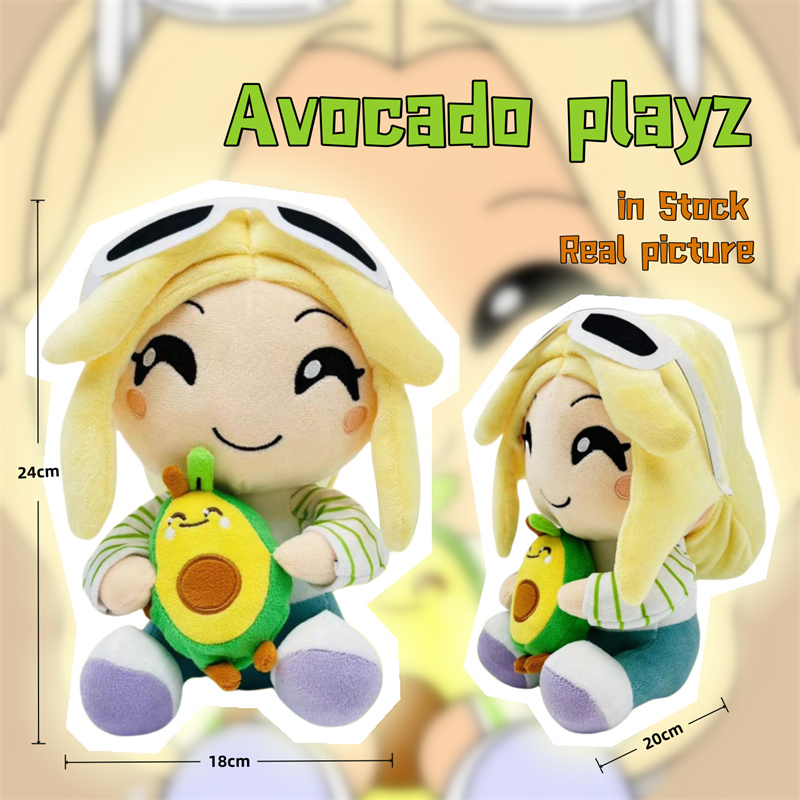
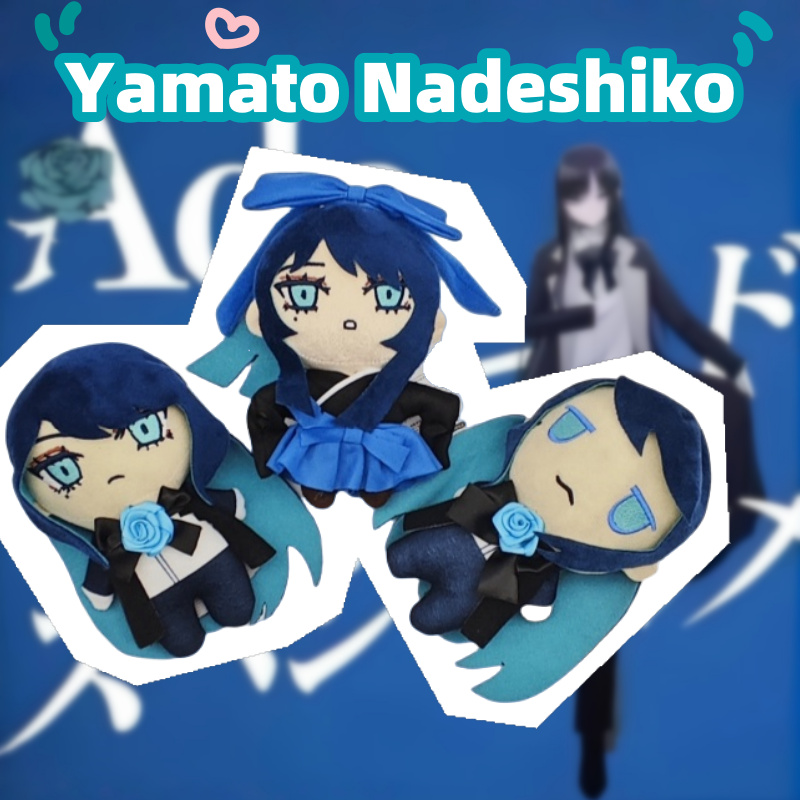
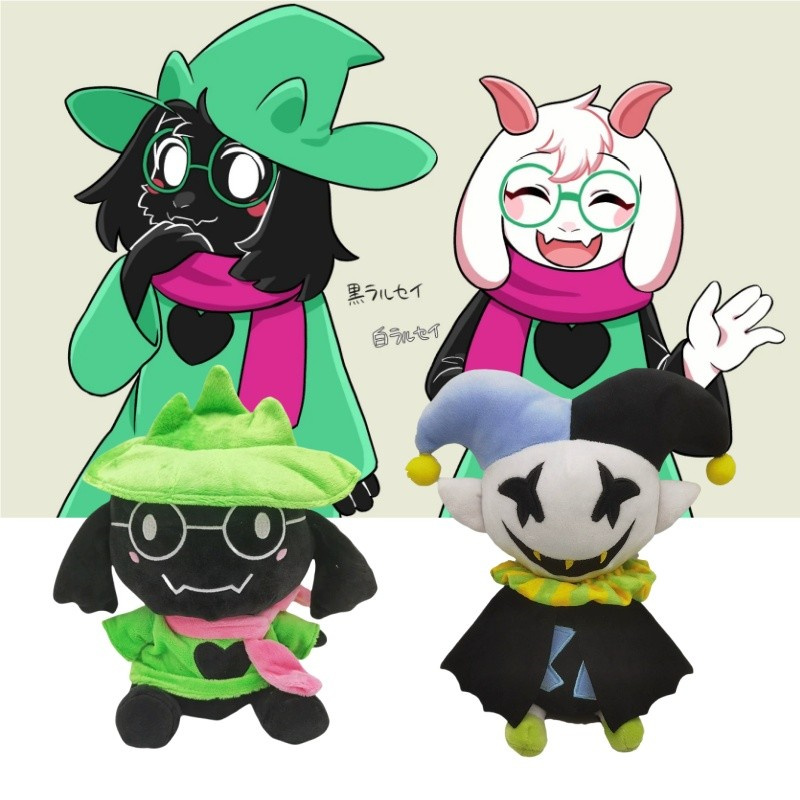
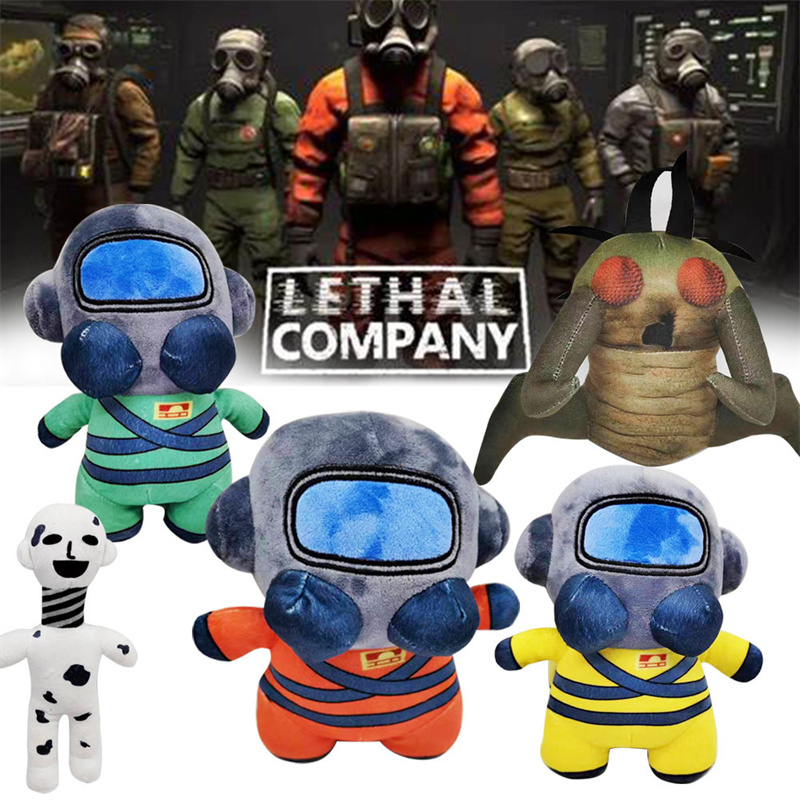
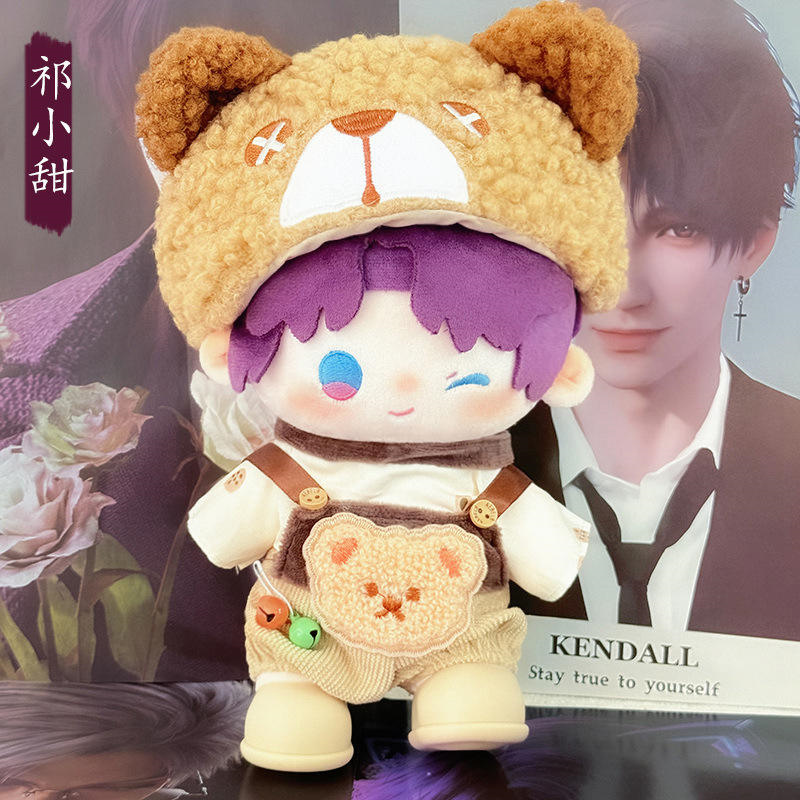
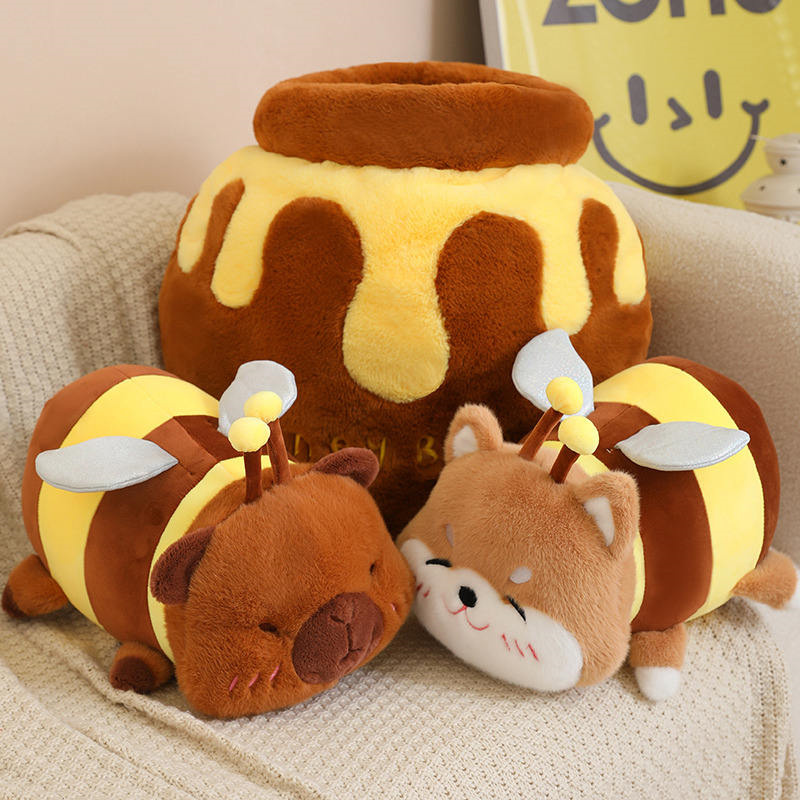
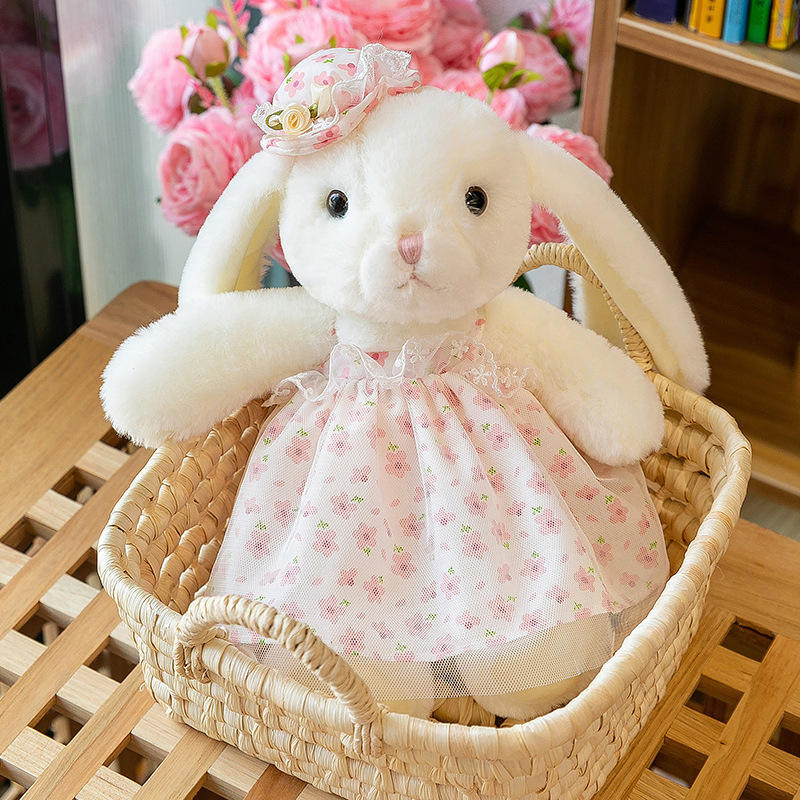
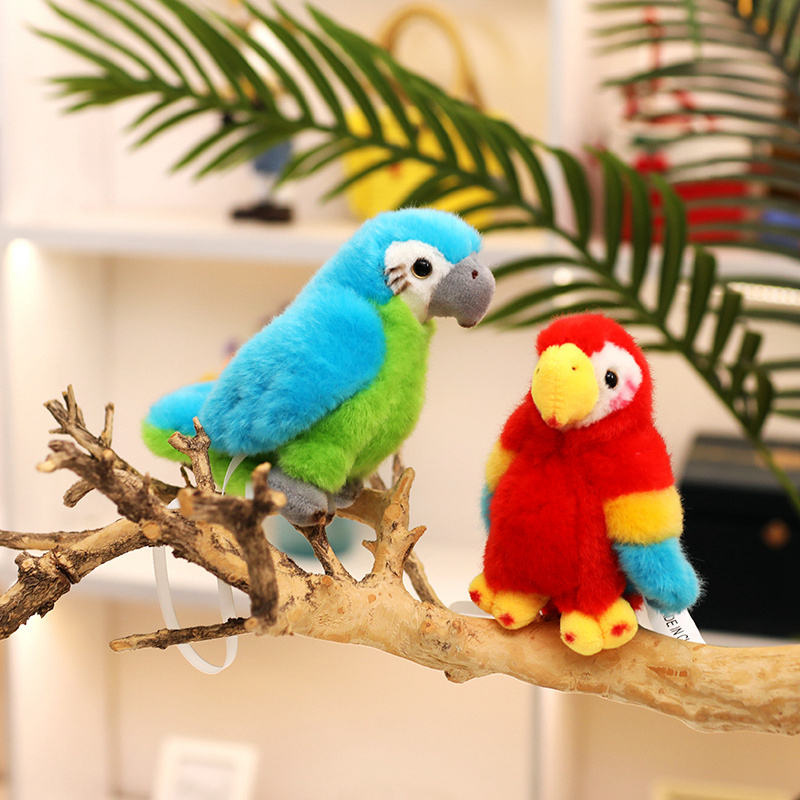
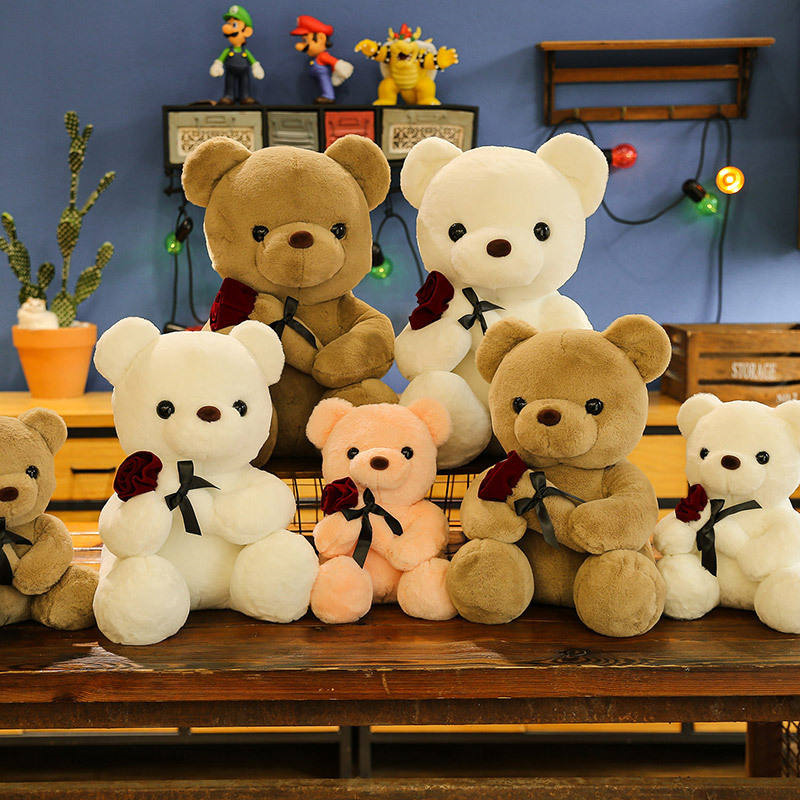
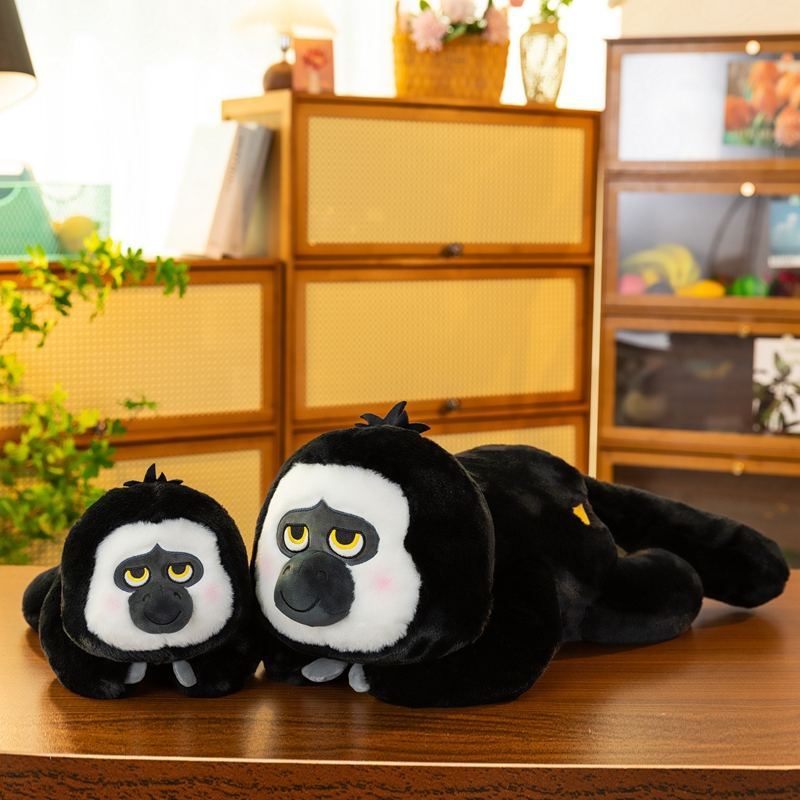
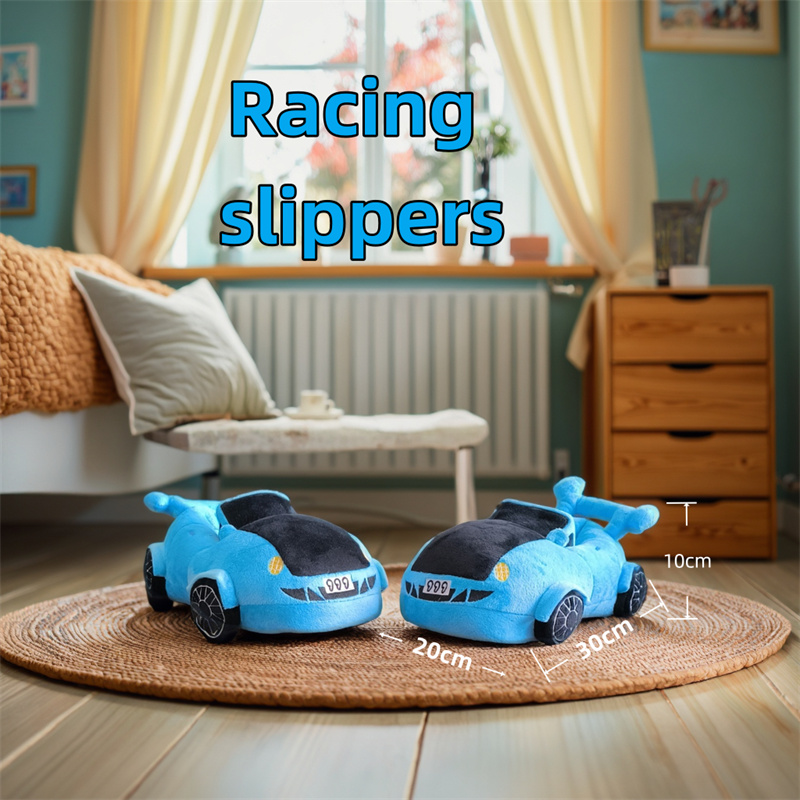
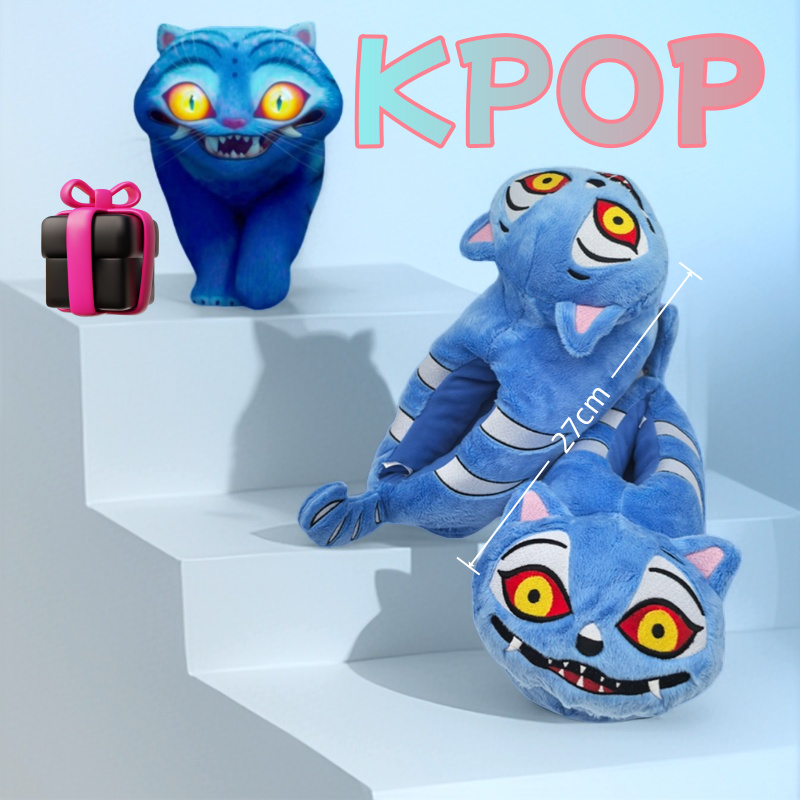
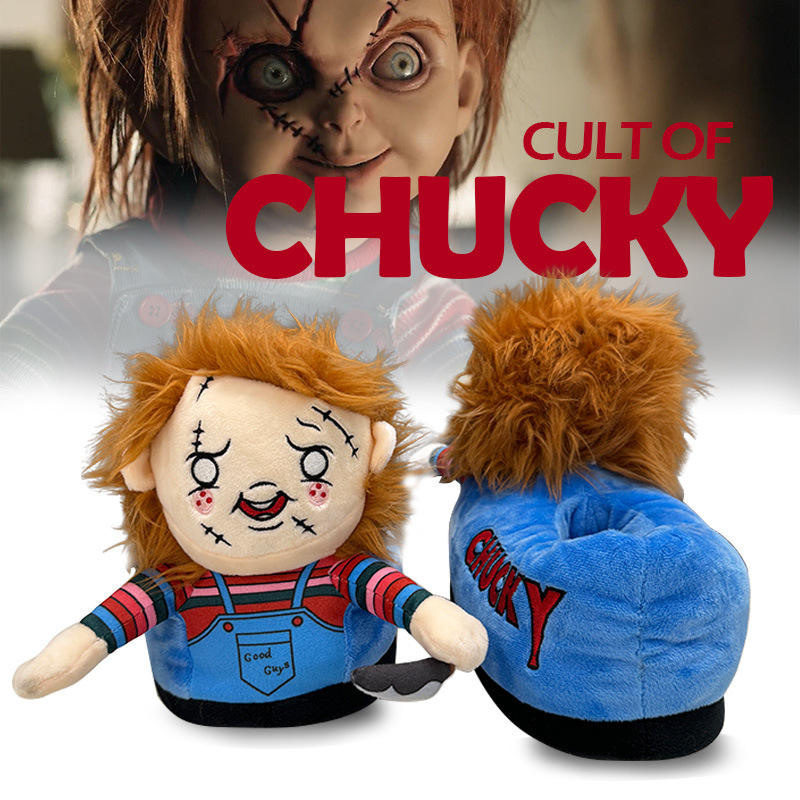
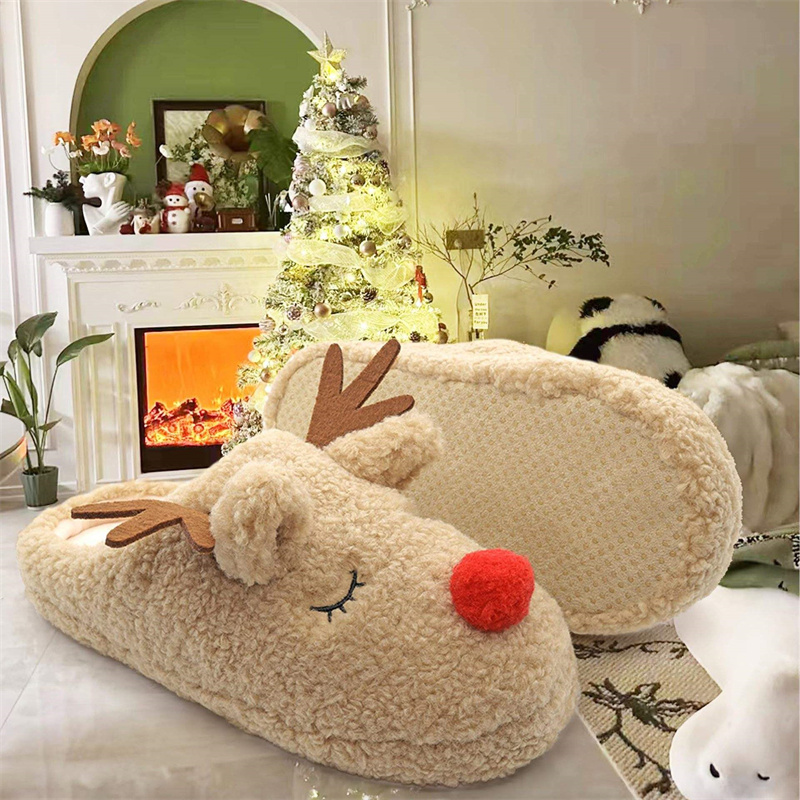
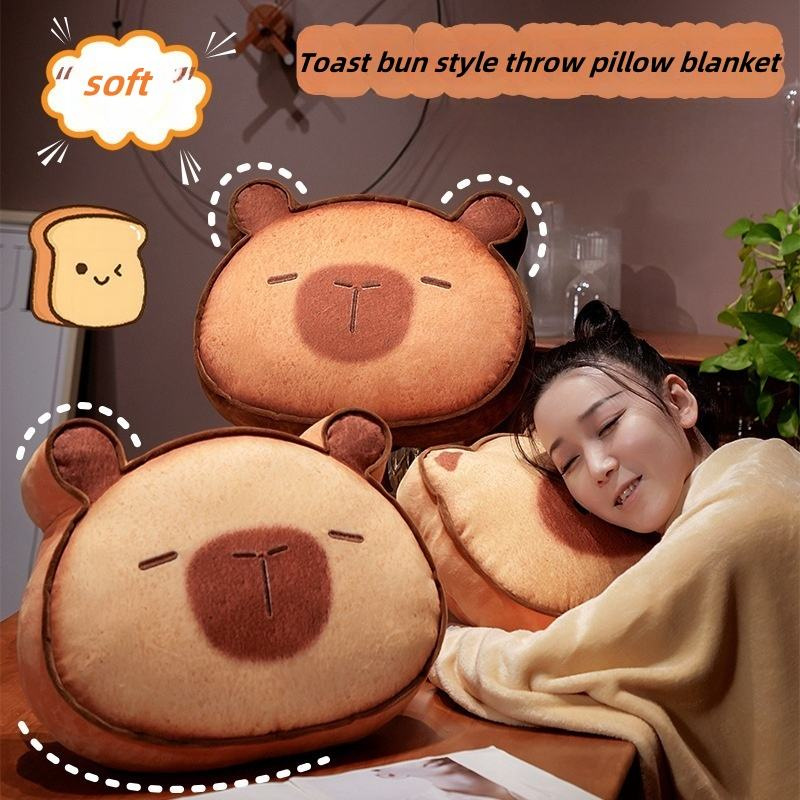
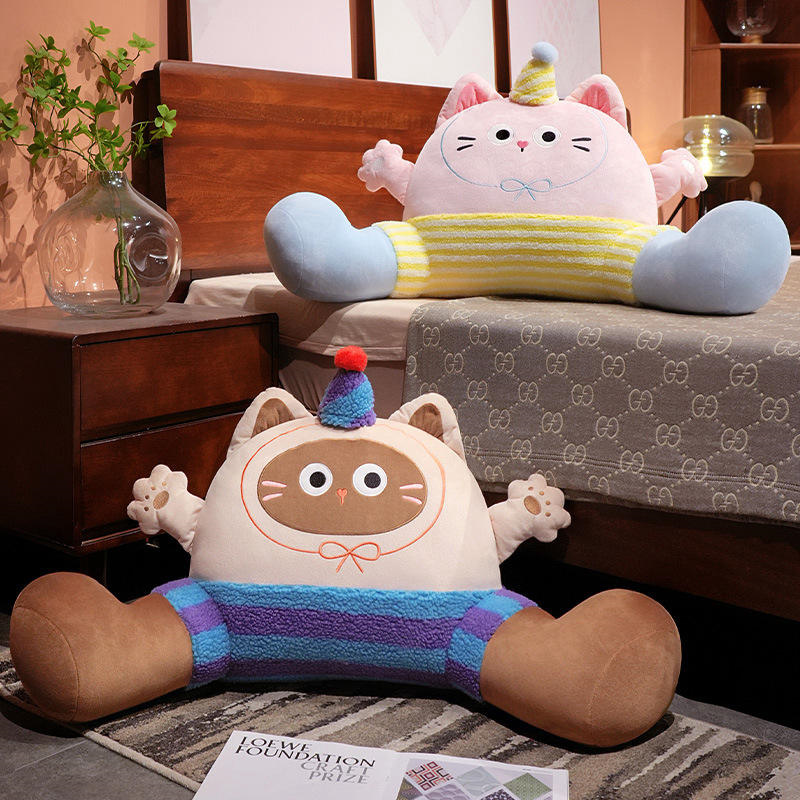
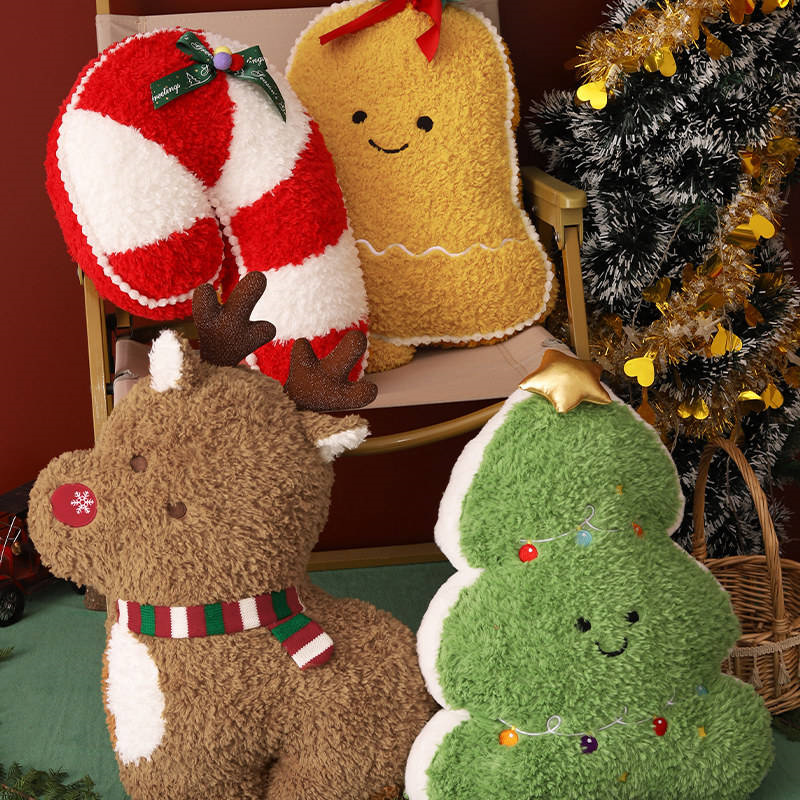
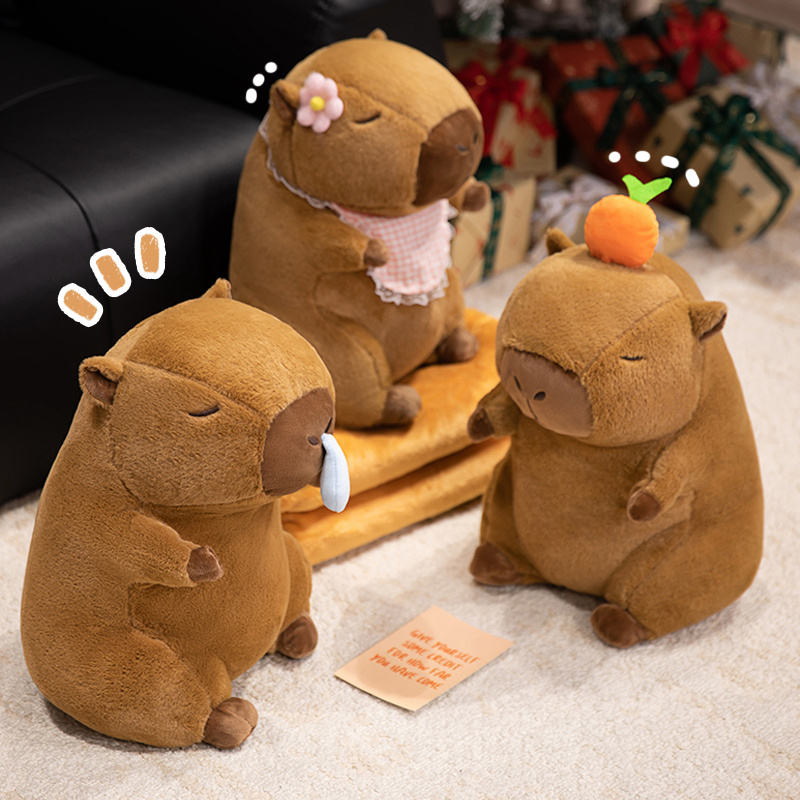
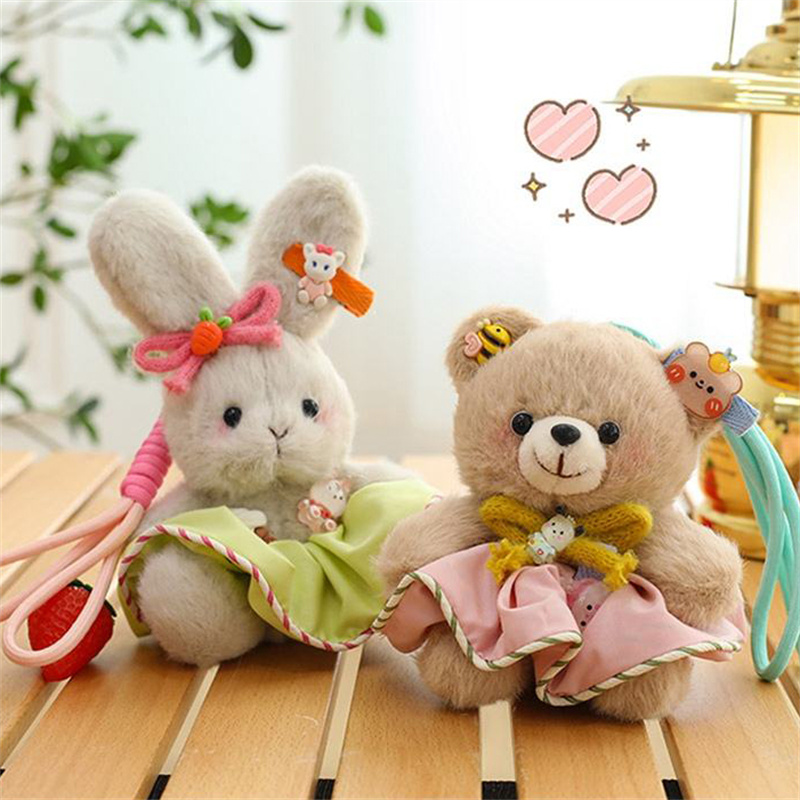
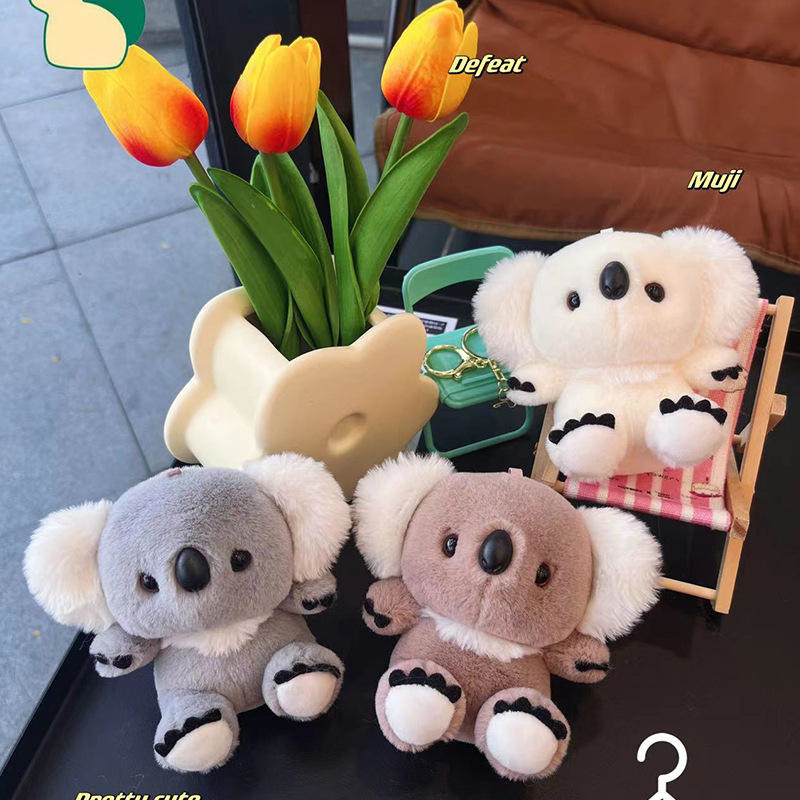
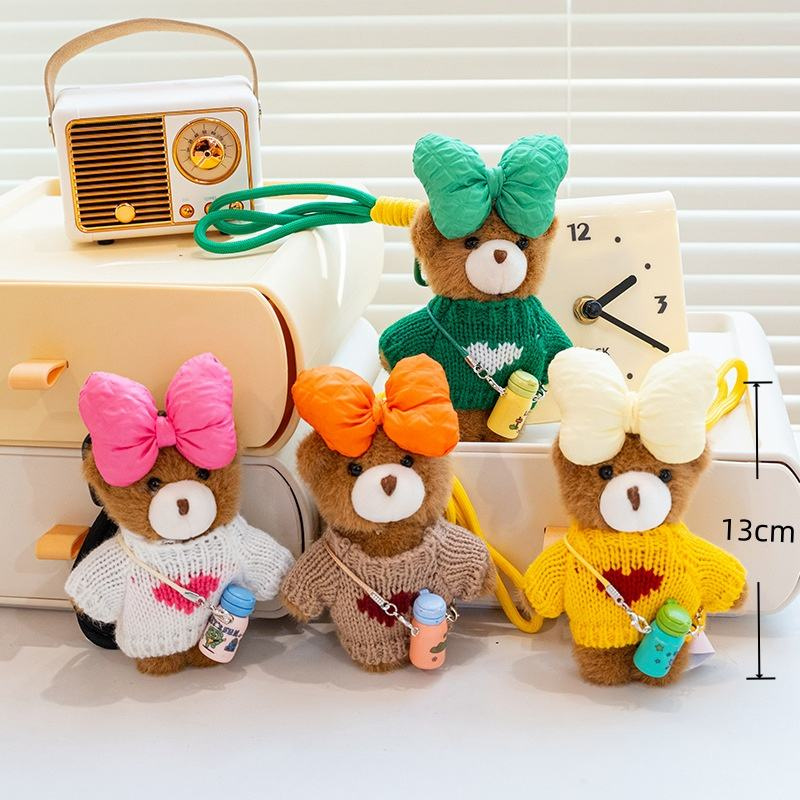
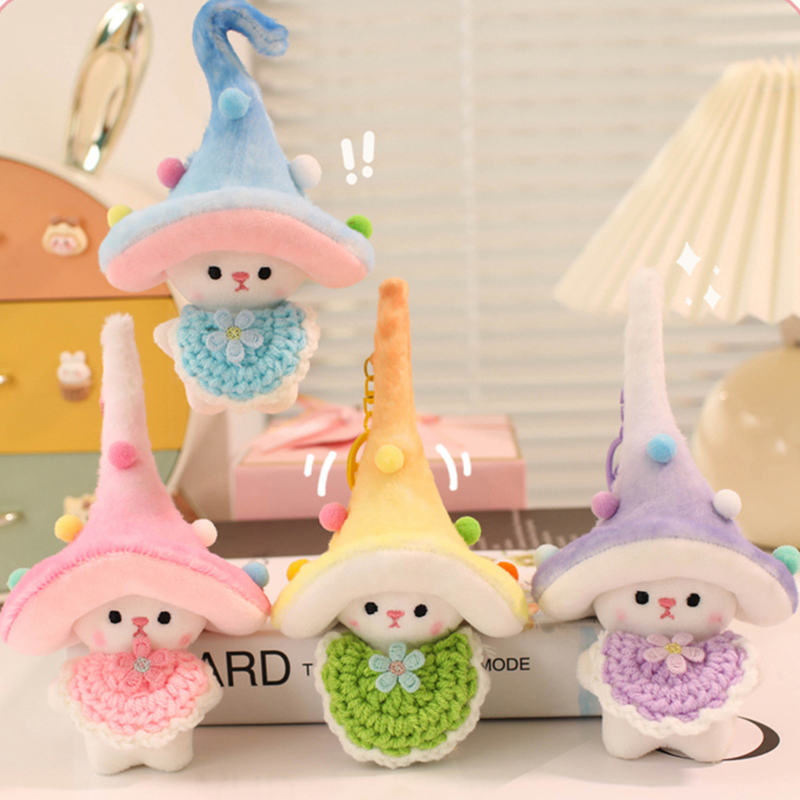
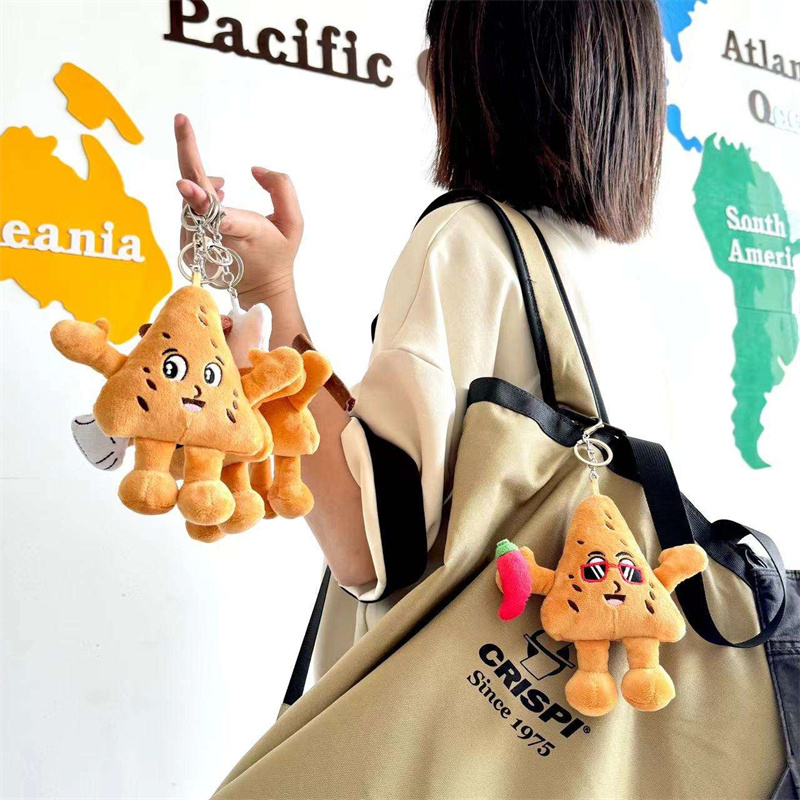

Simply send us your ideas or designs for plush dolls, stuffed animals, pillows, keychains, or slippers - we can't wait to bring your concepts to life.

Our team will create detailed patterns and provide the first sample for your feedback and approval.

Your custom plush products are made with the best materials and through strict quality control.
 Cookie Run Kingdom Plush Toys | Wholesale & Custom GingerBrave, Golden Cheese Plush
 Grow a Garden Inspired Plush Toys: Your Source for Quality & Customization
 Spamton Tenna Plush Toys – Factory Direct & Customizable
 Steal a Brainrot Plush Wholesale | Custom Game Plush Toys Manufacturer
 Wither Storm Plush Manufacturer | Custom Minecraft Plush Toys Wholesale
 Dandadan Plushies Manufacturer | Custom Anime Plush Toys Wholesale
 Ralph and Bella Plush | Wholesale Cat Stuffed Toys with Bread & Donut
 Italian Brainrot Plush Toys: Get in on the Crazy Trend
Whether you represent an educational institution seeking learning tools that engage students across diverse abilities and backgrounds, or a non-profit organization looking to create meaningful connections with supporters while advancing your mission, our team brings decades of plush manufacturing expertise to your project. We understand the unique requirements of educational and charitable sectors—budget constraints, safety priorities, mission alignment, and the need for products that deliver both functional and emotional value.
Our commitment extends beyond manufacturing to partnership. We work collaboratively with educators, therapists, program directors, and fundraising professionals to design plush products that serve specific pedagogical goals or organizational needs. From initial concept through final delivery, quality assurance remains our paramount concern. Every stitch, material selection, and design element reflects our understanding that these products will be held by children, used in learning environments, and represent your institution's values.
Contact us today to discuss how custom soft toys can enhance your educational programs or amplify your non-profit's impact. Together, we can create plush products that comfort, educate, inspire, and make lasting differences in the lives of those you serve.