Leave Your Message
The global plush toy market has evolved into a sophisticated industry worth over $9.8 billion, with official brand merchandising representing a rapidly growing segment. As brands recognize the emotional connection and marketing power of high-quality plush products, the demand for professional manufacturing partners has surged dramatically.
The official brand merchandising sector has experienced 12% annual growth, driven by entertainment franchises, gaming brands, and corporate mascot programs. Licensed plush merchandise now accounts for 35% of the total plush toy market.
Modern plush manufacturing combines traditional craftsmanship with advanced production technologies, ensuring consistency, quality control, and scalability for brand partnerships requiring thousands to millions of units.
Brand merchandising requires sophisticated supply chain management, with manufacturers supporting multi-channel distribution including retail stores, e-commerce platforms, promotional campaigns, and event-based releases.
The brand merchandising landscape is experiencing transformative changes driven by consumer preferences, technological capabilities, and sustainability imperatives. Understanding these trends is essential for brands planning their merchandising strategies.
The official brand merchandising segment is projected to reach $4.2 billion by 2028, with gaming and streaming entertainment brands leading growth.
Over 60% of major brands now require certified sustainable materials and ethical manufacturing practices for their plush merchandise programs.
Soft plush toys serve diverse strategic purposes across industries, from revenue generation to brand loyalty building. Understanding these applications helps brands maximize the value of their merchandising investments.
Movie studios, streaming platforms, and animation companies leverage plush merchandise to extend audience engagement beyond screens. Character plushies create tangible connections with beloved franchises, generating substantial licensing revenue while maintaining brand presence in consumers' homes. Coordinated releases with content premieres create marketing synergy and drive viewership.
Video game publishers and esports organizations use plush toys to monetize intellectual property and deepen player community bonds. From iconic character replicas to mascot collectibles, gaming plush merchandise appeals to dedicated fan bases willing to invest in premium products. Limited edition releases around game launches or tournaments create excitement and collectibility.
Companies across industries use custom plush mascots for brand recognition, employee engagement, and customer loyalty programs. These branded items serve as memorable promotional products at trade shows, corporate gifts for clients, and rewards for customer loyalty programs. High-quality plush mascots become brand ambassadors that create emotional connections.
Online and brick-and-mortar retailers develop proprietary plush lines as exclusive merchandise, creating differentiation in competitive markets. These products drive traffic, increase basket sizes, and build brand loyalty. Seasonal collections and collaboration releases generate recurring revenue streams and social media engagement.
Educational content creators and children's brands use plush toys as learning tools and character extensions. These products reinforce educational messages, support child development, and create multi-sensory brand experiences. Parents value quality plush products that combine entertainment with developmental benefits.
Professional sports organizations merchandise team mascots and player-inspired plush products to engage young fans and families. These items generate gameday revenue, serve as promotional giveaways, and create lifelong fan connections. Collectible series featuring different players or historical mascots drive ongoing engagement.
Professional manufacturers ensure every unit meets exact specifications through rigorous quality control processes, protecting brand reputation and ensuring customer satisfaction across large production runs.
Established factories implement strict confidentiality protocols, secure design processes, and legal safeguards to protect valuable brand intellectual property throughout the manufacturing relationship.
Experienced manufacturers can scale from prototype samples to millions of units while maintaining quality standards, supporting brands through product launches, seasonal demands, and growth phases.
Professional teams provide design consultation, material recommendations, and engineering support to optimize products for manufacturability, cost-efficiency, and market appeal.
Reputable manufacturers maintain certifications for international safety standards (ASTM, EN71, CPSIA), ensuring products meet regulatory requirements for global distribution.
Direct factory partnerships eliminate intermediary markups while leveraging economies of scale, material sourcing expertise, and production efficiency to maximize merchandising profitability.




custom plush doll



Custom Stuffed Animals



custom plush slippers



custom plush pillows

custom plush Keychain
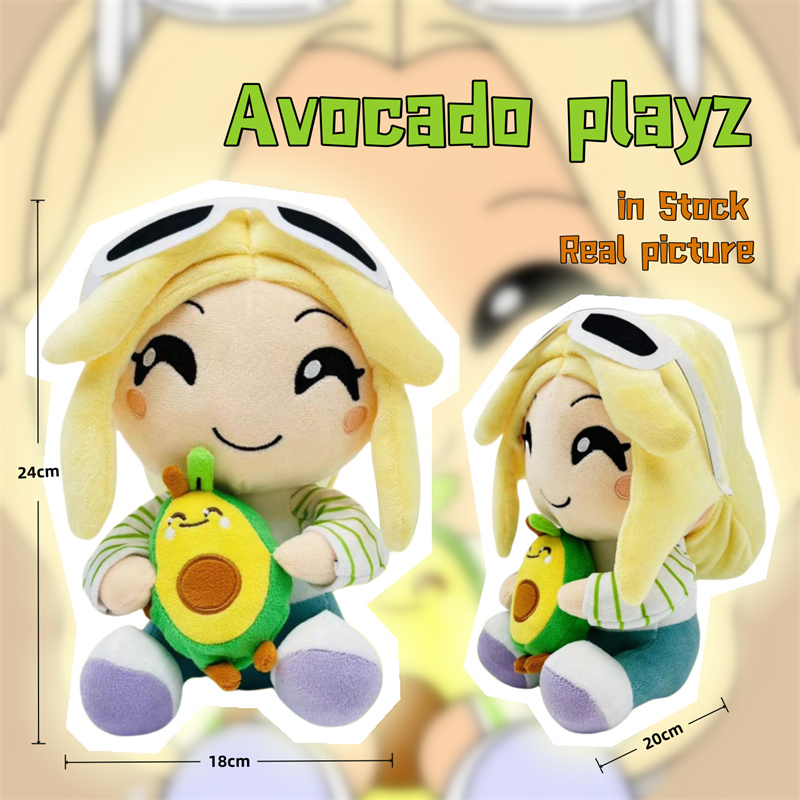
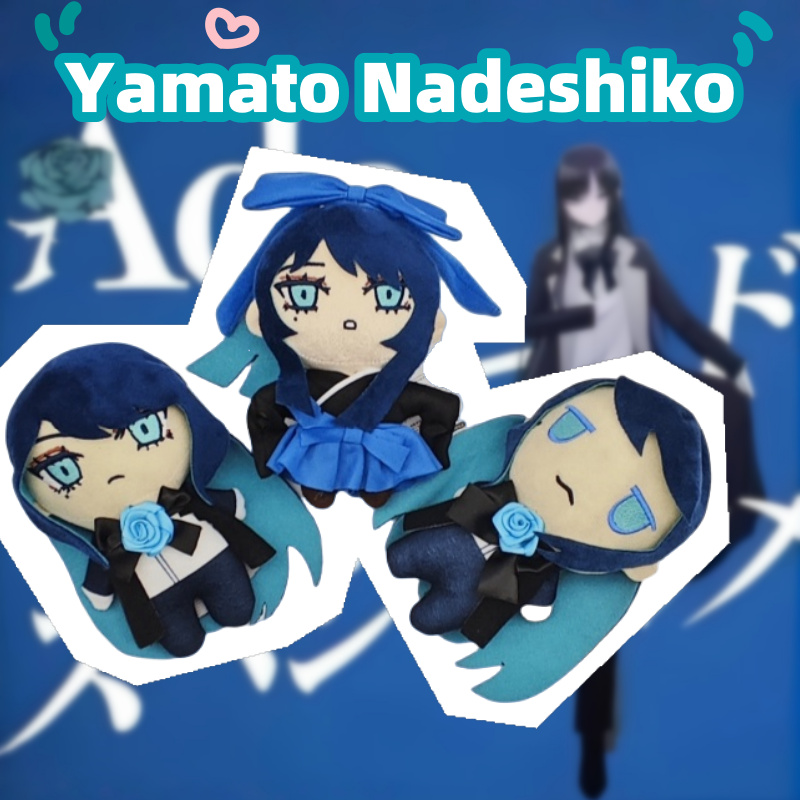
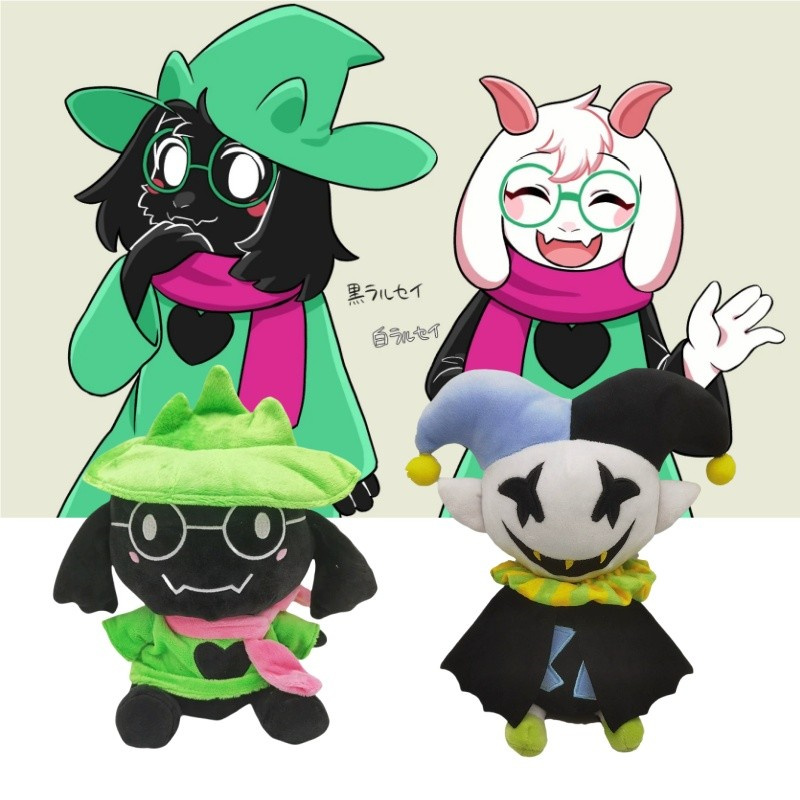
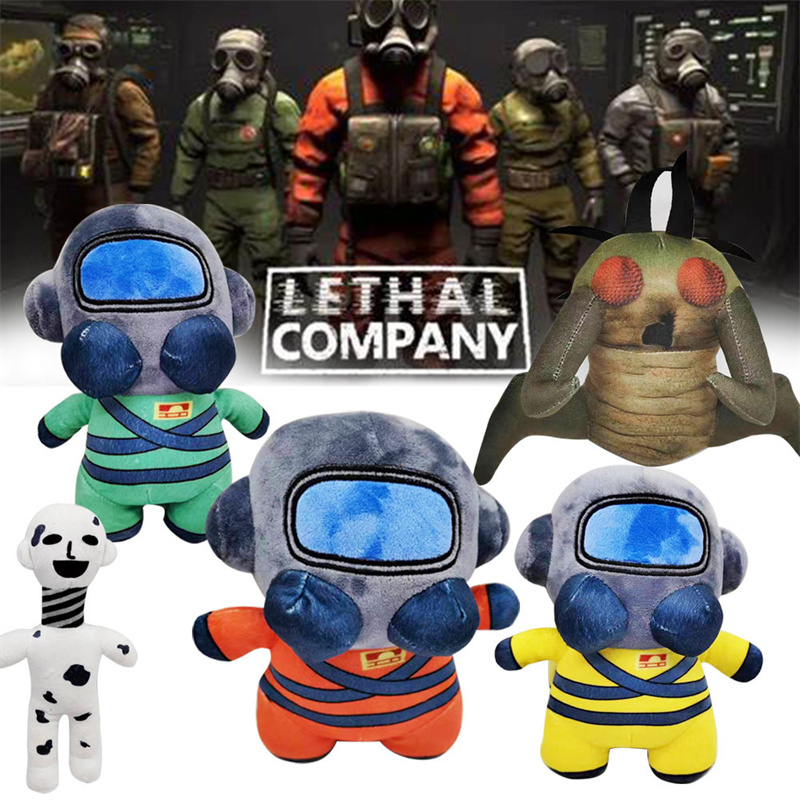
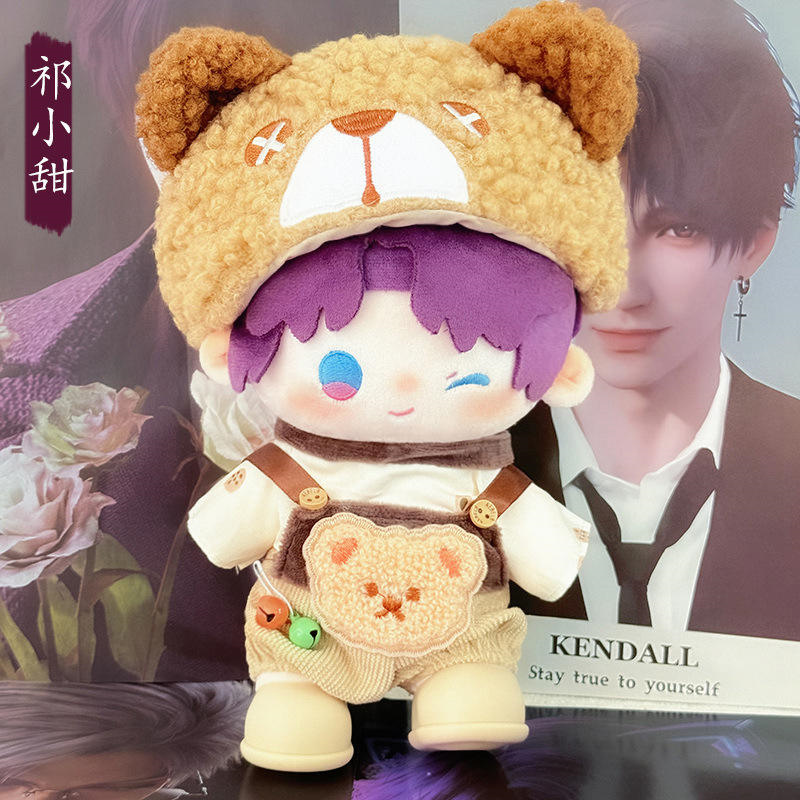
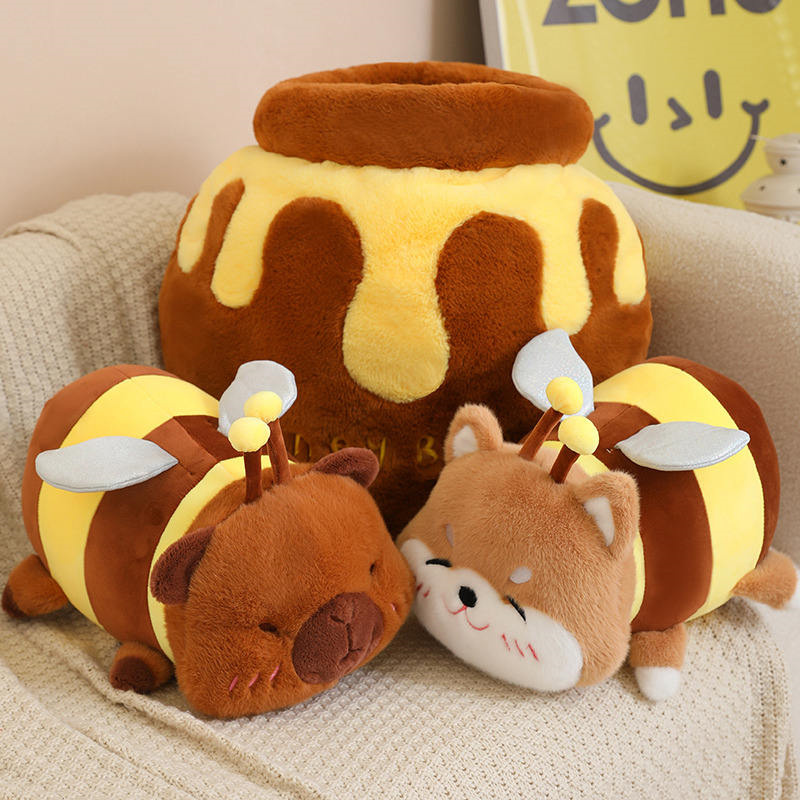
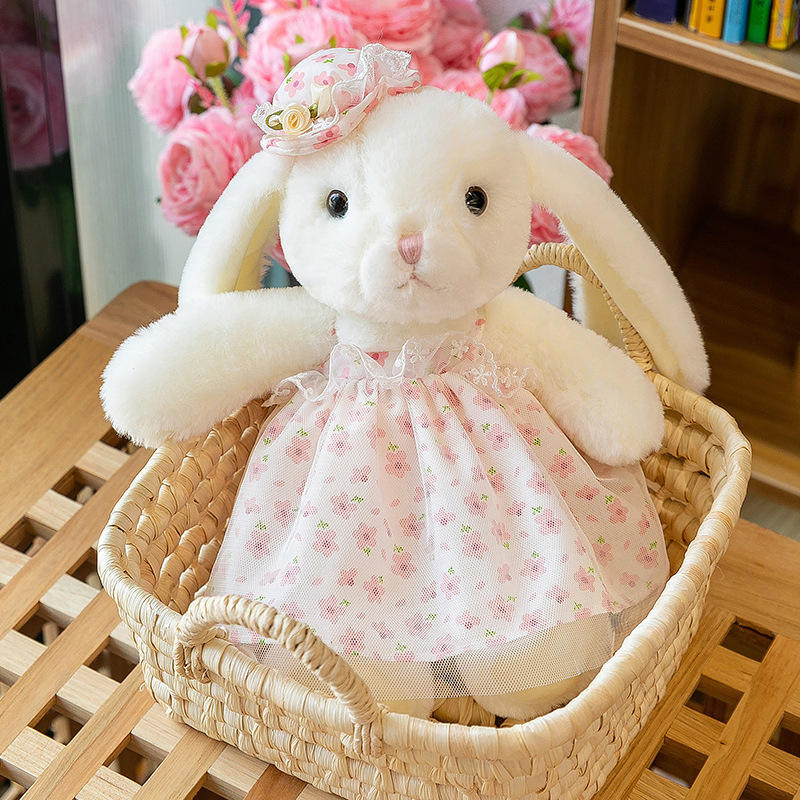
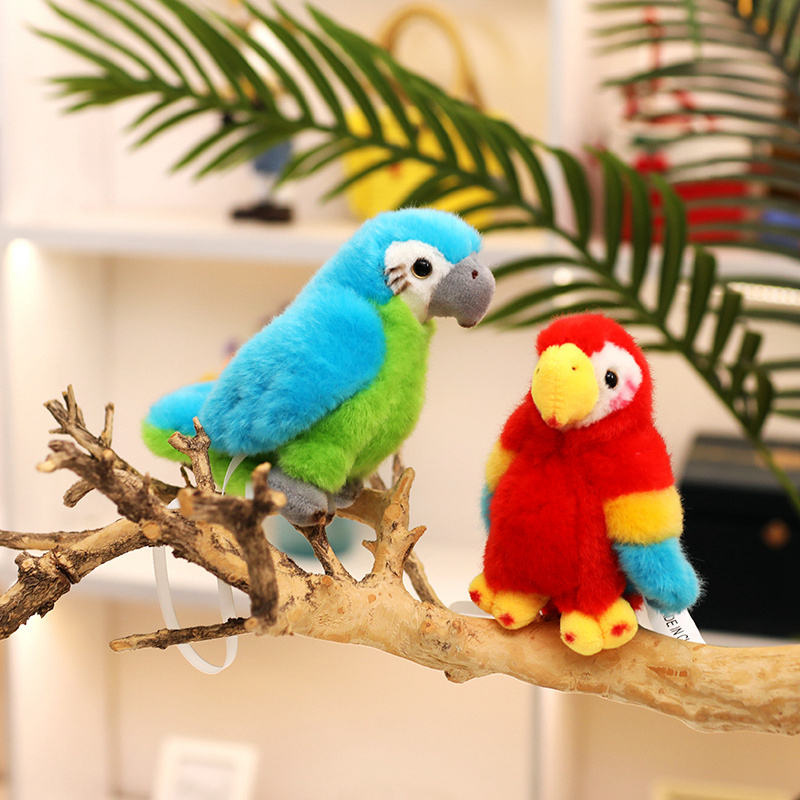
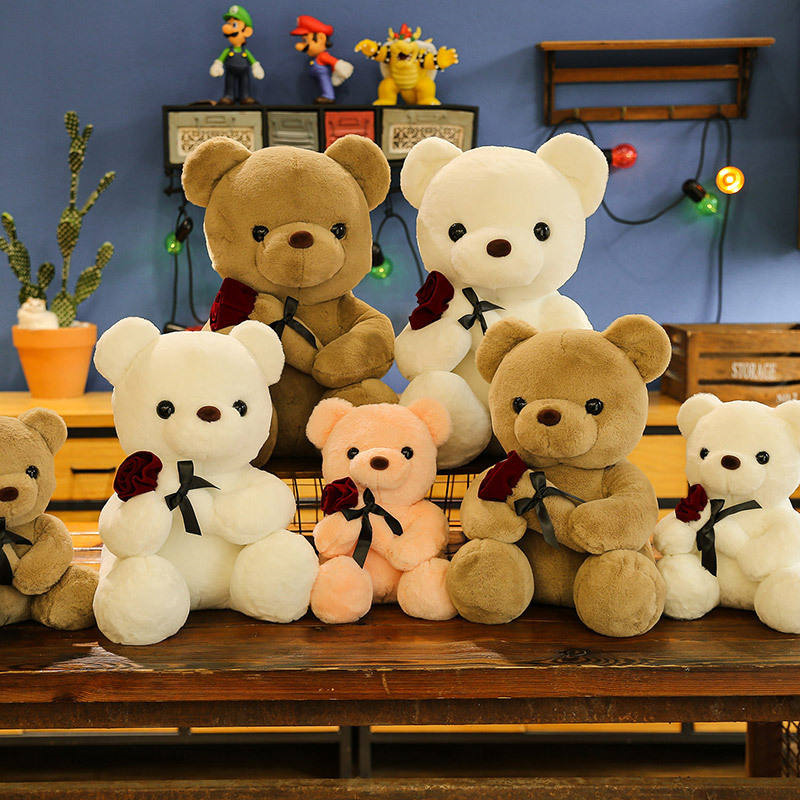
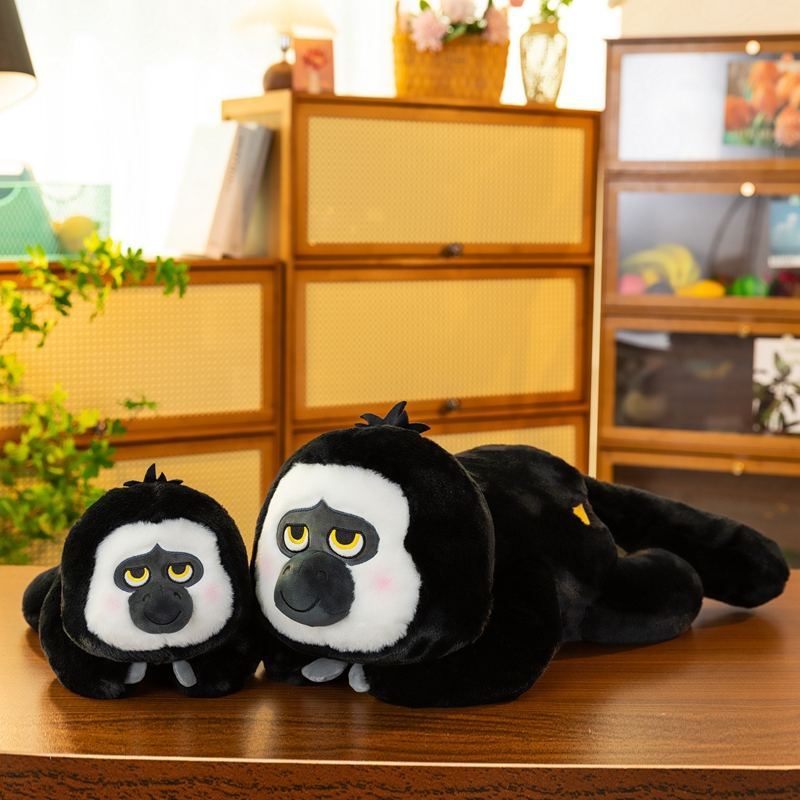
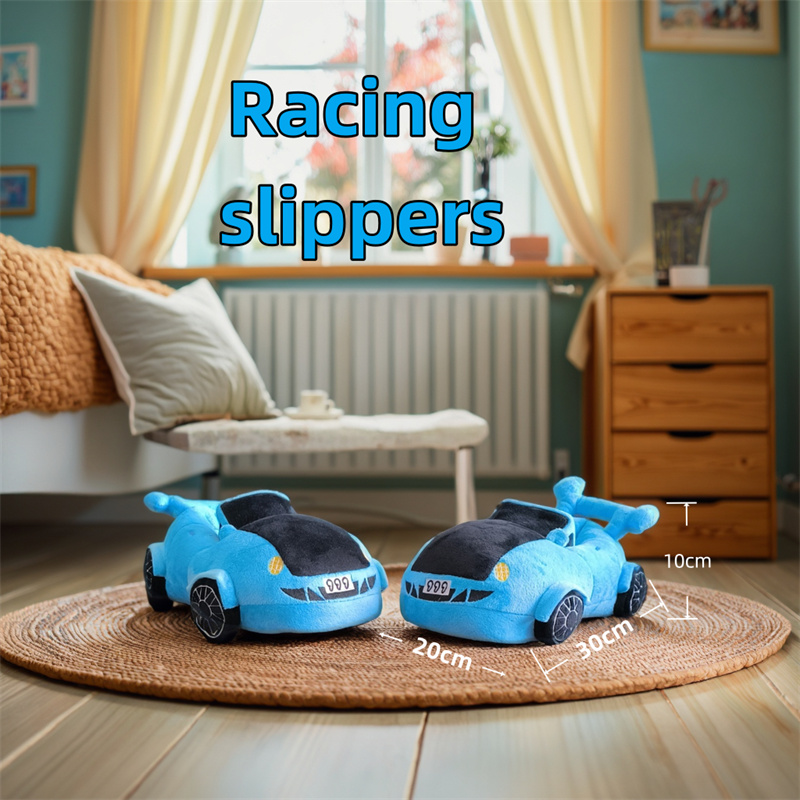
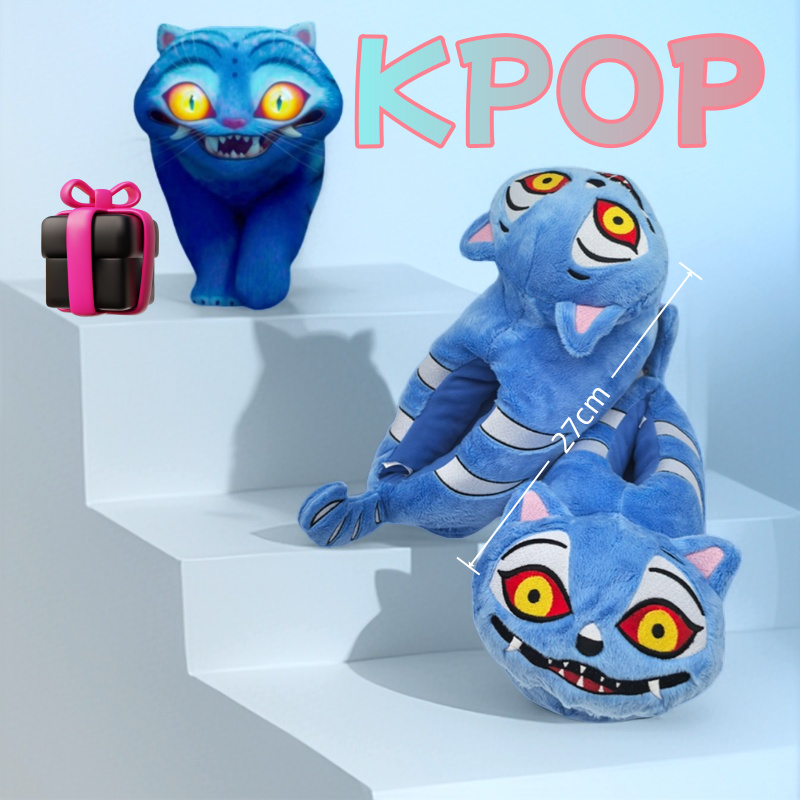
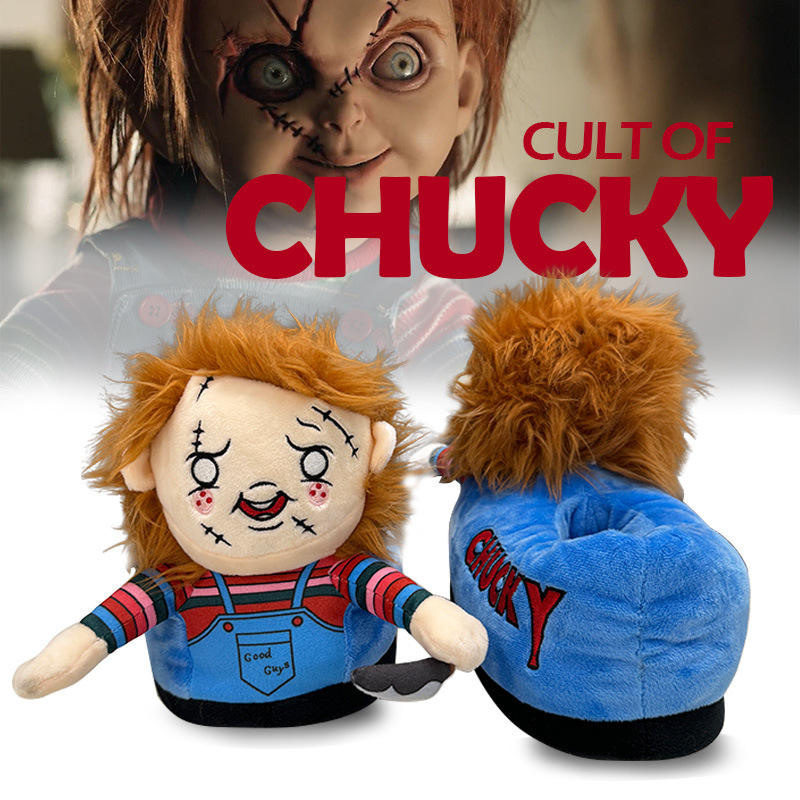
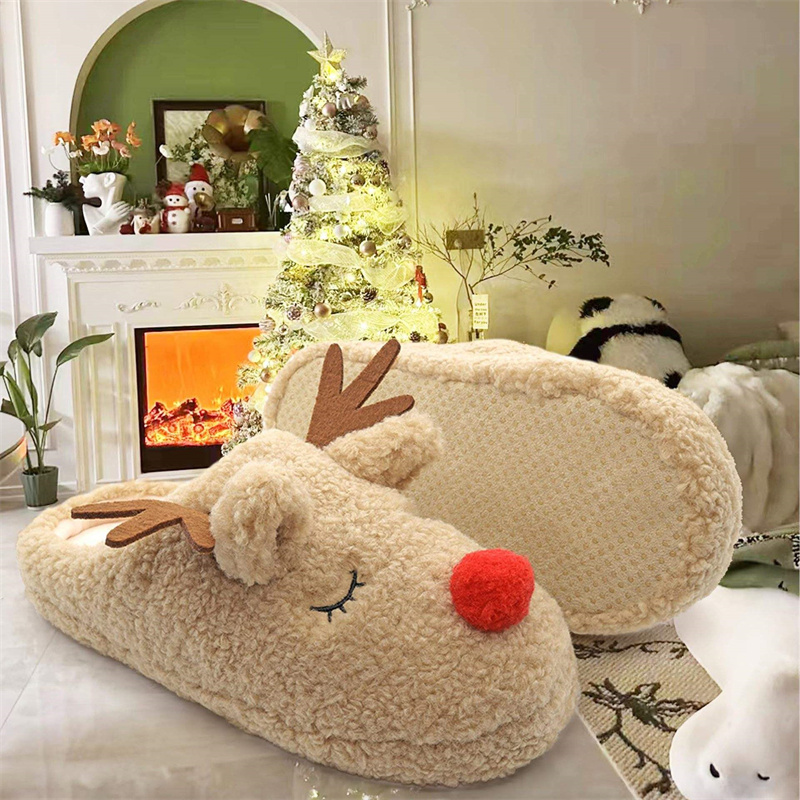
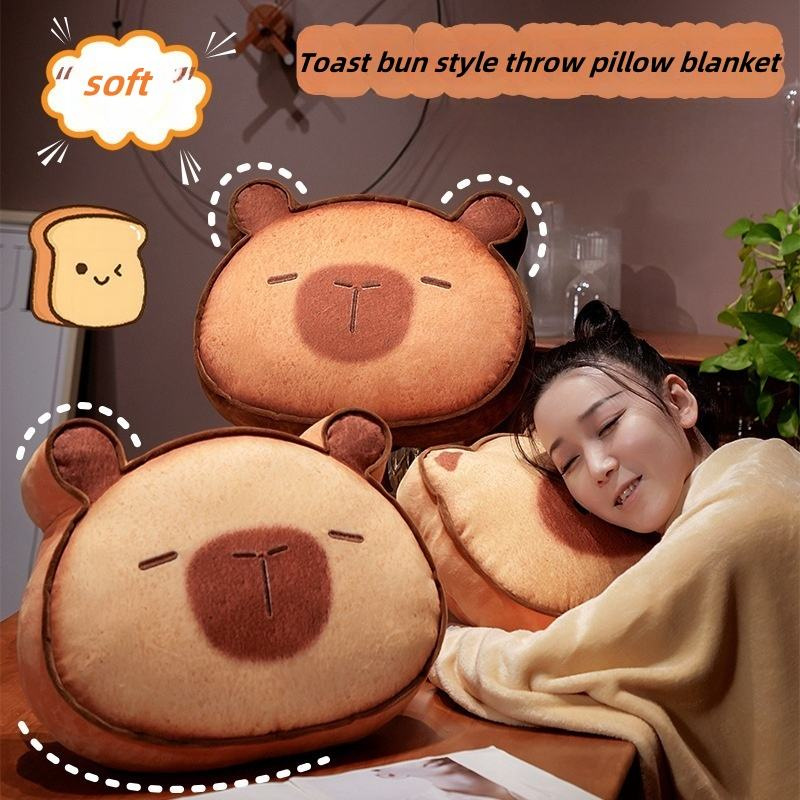
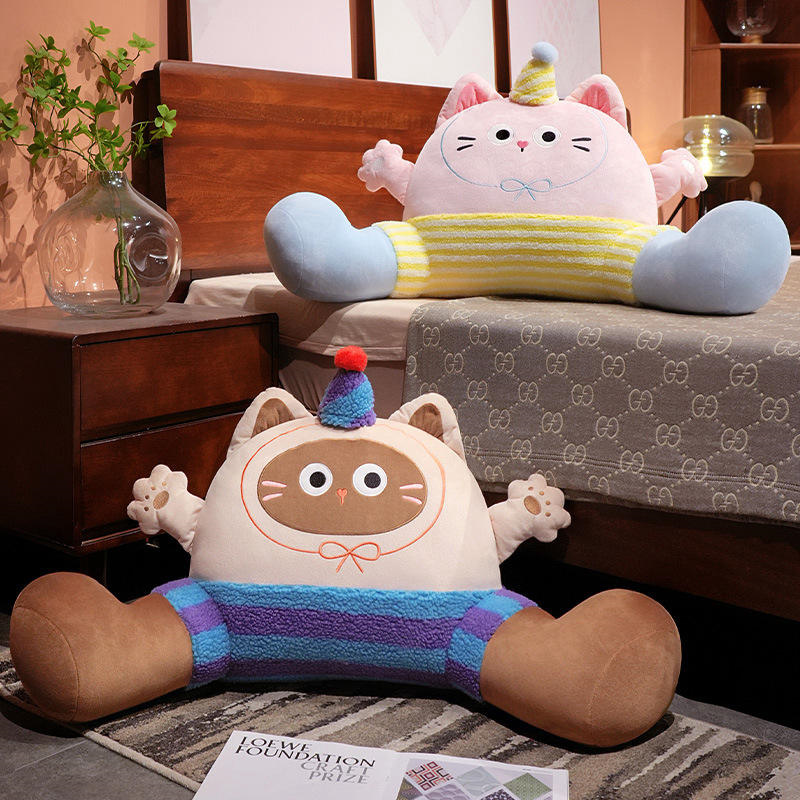
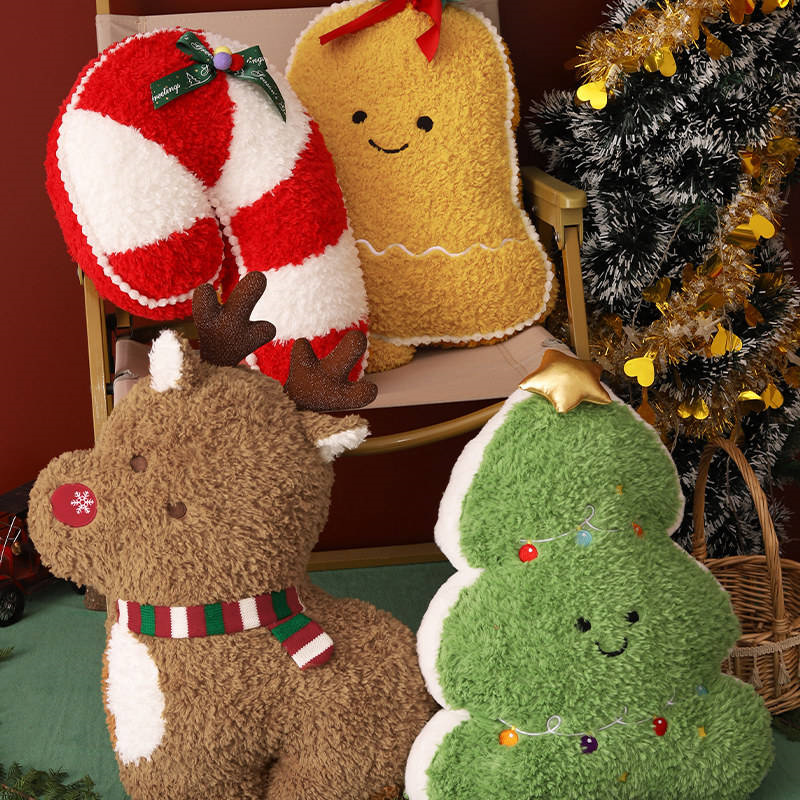
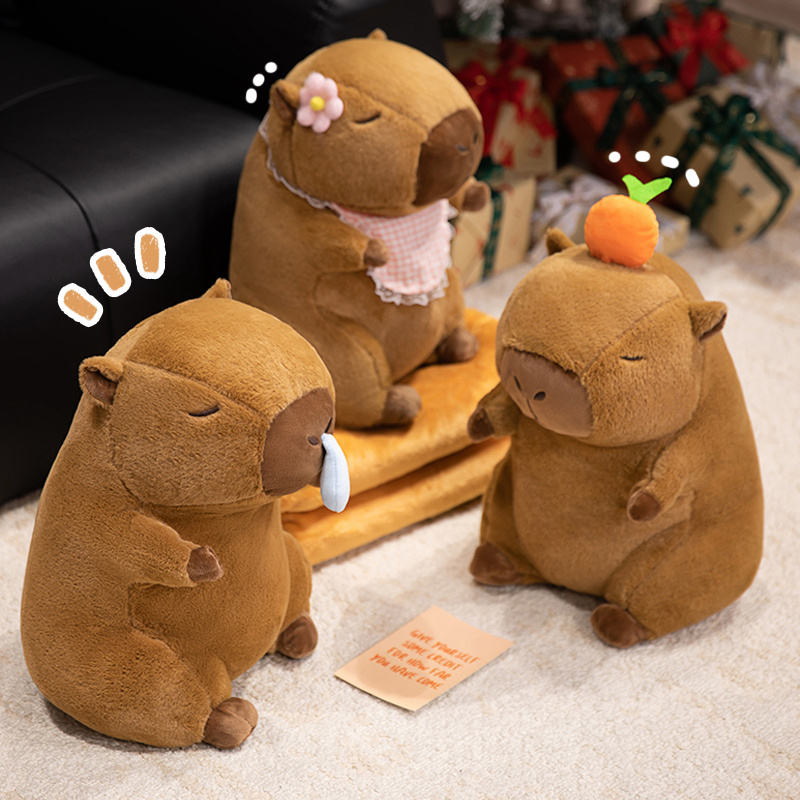
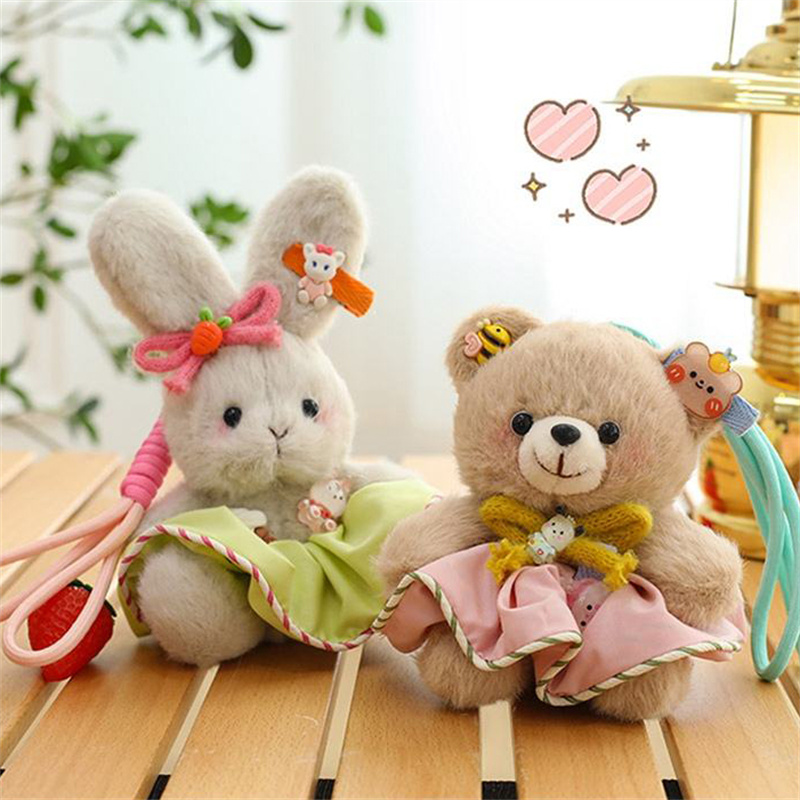
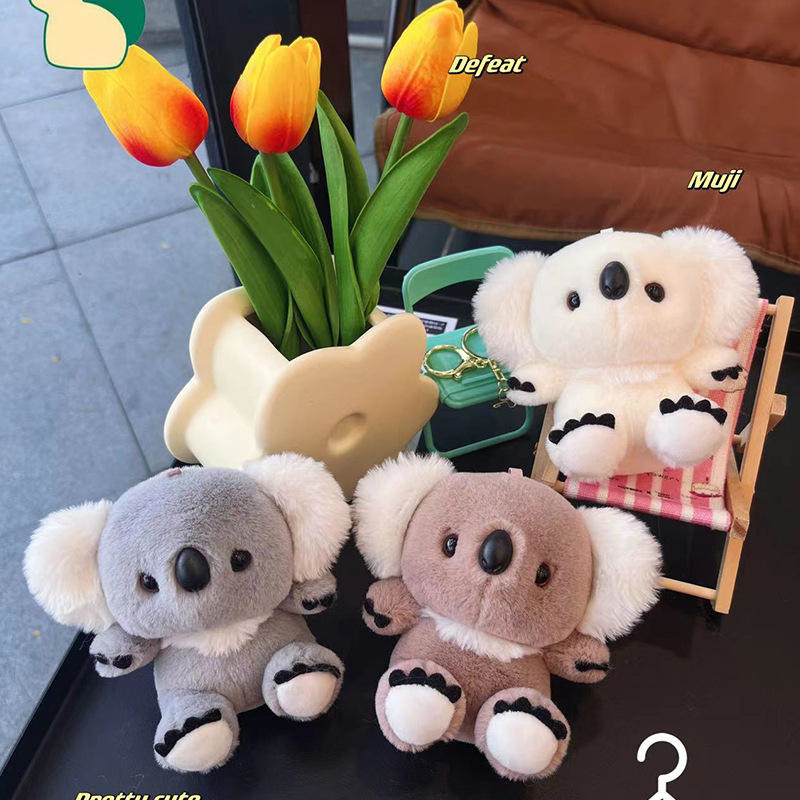
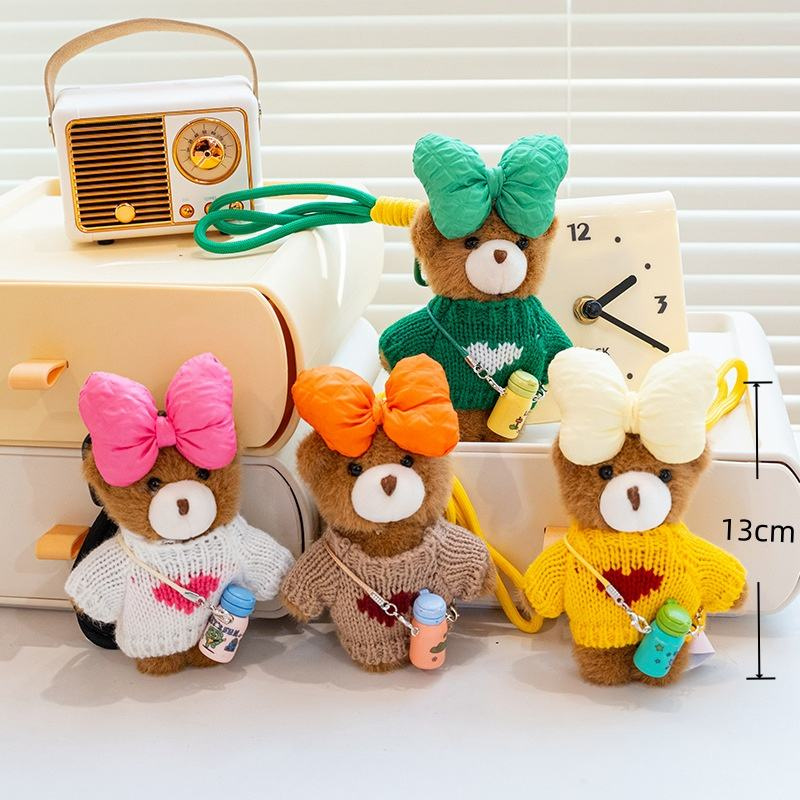
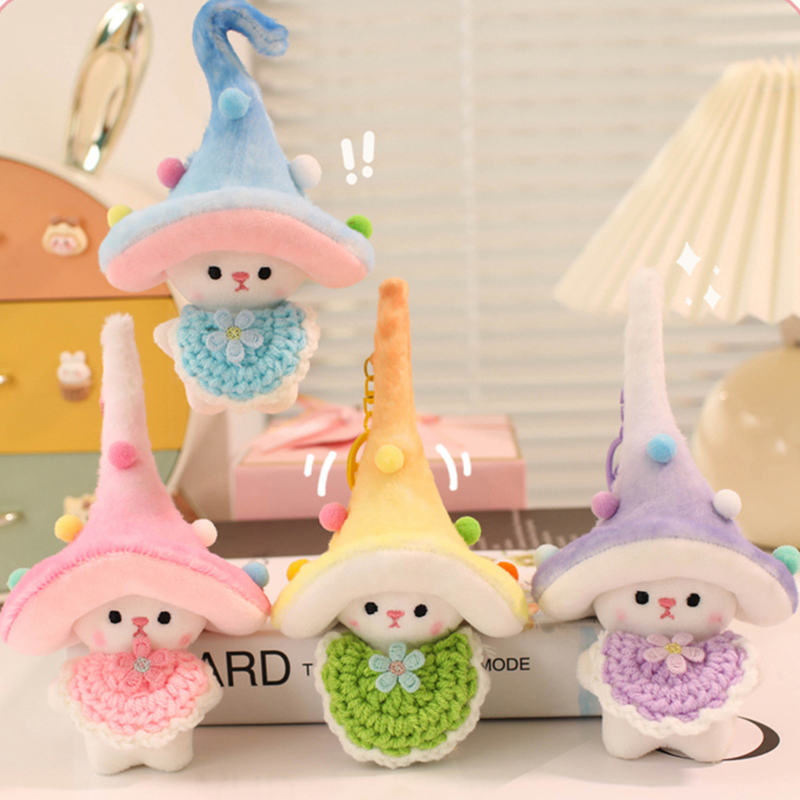
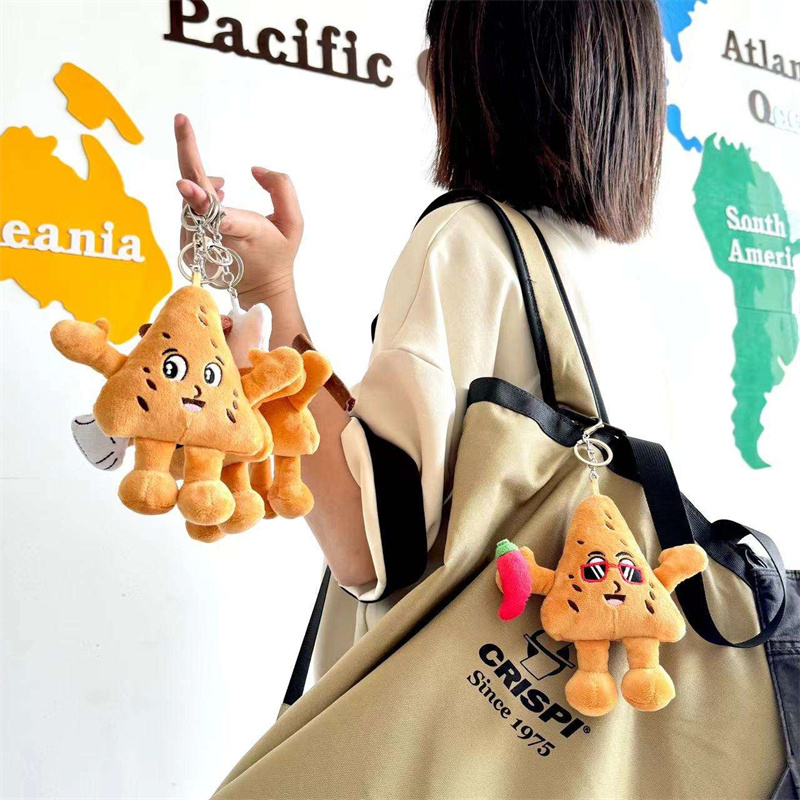

Simply send us your ideas or designs for plush dolls, stuffed animals, pillows, keychains, or slippers - we can't wait to bring your concepts to life.

Our team will create detailed patterns and provide the first sample for your feedback and approval.

Your custom plush products are made with the best materials and through strict quality control.
Efficient logistics and worldwide shipping ensure your brand merchandising reaches any market.
Explore our portfolio of custom plush solutions designed for official brand merchandising across entertainment, gaming, corporate, and retail sectors.


