Leave Your Message
The gaming industry has evolved far beyond digital screens, creating a massive ecosystem of physical merchandise that connects fans with their favorite characters. Plush stuffed toys for game character merchandise represent one of the fastest-growing segments in this market, with the global gaming merchandise industry projected to reach $34.5 billion by 2027. This exponential growth is driven by the emotional connections players form with game characters and their desire to bring these virtual companions into their physical world.
Game developers and publishers increasingly recognize plush toys as essential revenue streams that extend brand engagement beyond gameplay. Major gaming franchises like Pokémon, Animal Crossing, and Genshin Impact have demonstrated that well-designed character plushies can generate substantial revenue while strengthening community bonds. The success of these products lies in their ability to transform digital experiences into tangible, collectible items that fans can display, cuddle, and treasure.
The plush toy market for game characters operates at the intersection of gaming culture, collectibles, and lifestyle products. Current market analysis reveals several critical trends shaping this industry. First, the rise of indie games has democratized character merchandise opportunities, allowing smaller studios to create profitable plush lines without massive upfront investments. Second, the collectible nature of gaming plushies has created secondary markets where rare or limited-edition items appreciate significantly in value.
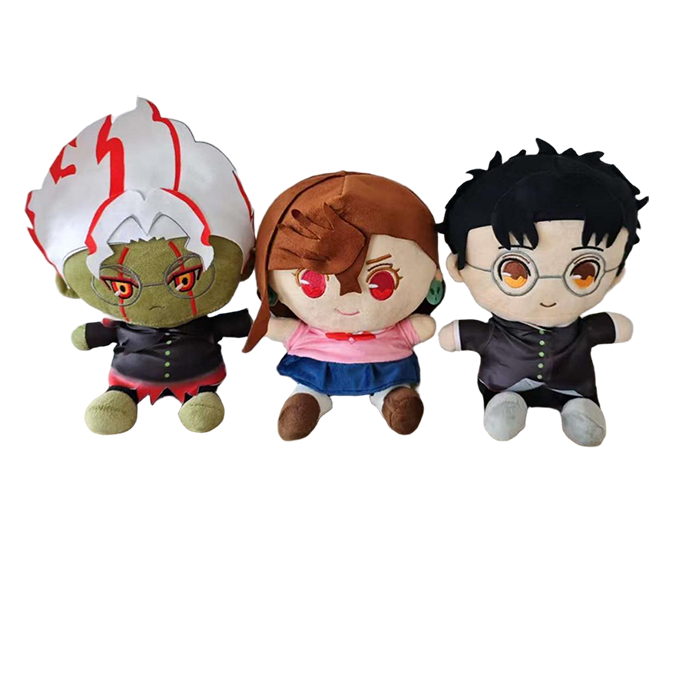
Manufacturing capabilities have advanced dramatically, enabling producers to capture intricate character details with unprecedented accuracy. Modern plush manufacturers utilize specialized materials, embroidery techniques, and construction methods that faithfully reproduce everything from complex costume designs to distinctive facial expressions. This quality improvement has elevated game character plushies from simple toys to premium collectibles that appeal to adult collectors as much as younger audiences.
For game developers and publishers, plush merchandise serves multiple strategic functions beyond direct revenue generation. These physical products create touchpoints that keep games relevant during content gaps between updates or sequels. When players display character plushies in their homes or workspaces, they become brand ambassadors, generating organic visibility and conversation starters that drive community growth.
The merchandising strategy also provides valuable market intelligence. Pre-order campaigns for character plushies can gauge character popularity and inform development priorities for future game content. Limited edition releases create urgency and exclusivity that strengthen brand loyalty while generating media coverage and social media engagement. Smart developers integrate plush releases with game events, creating synchronized marketing moments that amplify both digital and physical product launches.
Producing high-quality game character plush toys requires specialized manufacturing expertise that balances artistic fidelity with production efficiency. The process begins with translating 2D or 3D game assets into physical patterns that maintain character recognition while accounting for the unique properties of fabric and stuffing materials. Experienced manufacturers work closely with game studios to ensure color accuracy, proportion correctness, and detail preservation throughout the production process.
Minimum order quantities (MOQ) have traditionally been a barrier for smaller game studios, but the industry has evolved to accommodate diverse needs. Modern plush manufacturers now offer MOQs as low as 200 pieces, making character merchandise accessible to indie developers and niche game communities. This flexibility enables studios to test market demand with limited financial risk before committing to larger production runs. Production timelines typically range from sampling (5-7 days) to full production (30-45 days), allowing studios to align merchandise releases with game launches or seasonal events.
Game character plush toys thrive across multiple retail channels, each requiring tailored approaches. Specialty gaming stores offer curated selections that appeal to dedicated collectors, while mass-market retailers provide accessibility to casual fans. E-commerce platforms have become dominant distribution channels, with direct-to-consumer sales through game studio websites offering the highest profit margins and strongest customer relationships.
The rise of crowdfunding platforms like Kickstarter has revolutionized how game studios launch plush merchandise. These platforms allow developers to validate demand, secure production funding, and build community excitement simultaneously. Successful campaigns often exceed funding goals by 300-500%, demonstrating the strong appetite for quality game character plushies when marketed effectively to engaged fan communities.
Beyond direct sales, game character plush toys serve powerful promotional functions. Game studios use them as convention exclusives, creating must-have items that drive booth traffic and social media buzz at gaming events. Influencer partnerships leverage plushies as giveaway items, generating authentic content and expanding brand reach to new audiences. Loyalty programs reward dedicated players with exclusive plush designs, strengthening retention and encouraging continued engagement.
Corporate partnerships represent another growing application area. Gaming companies collaborate with brands in complementary industries—from fast food chains to apparel companies—using character plushies as promotional items that introduce games to new demographics. These partnerships often include co-branded designs that appeal to both fan bases, creating win-win marketing opportunities that extend beyond traditional gaming audiences.
Global expansion of game character merchandise requires understanding regional preferences and regulatory requirements. Asian markets, particularly Japan and South Korea, demonstrate the highest per-capita spending on gaming merchandise, with consumers valuing premium materials and limited-edition releases. Western markets prioritize character recognition and collectibility, with successful products often tied to nostalgic franchises or trending new releases.
Regulatory compliance varies significantly across regions, with safety standards like CE (Europe), CPC (United States), and GB (China) requiring specific testing and certification. Experienced manufacturers navigate these requirements seamlessly, ensuring products meet all necessary standards without delaying production timelines. Material selection, labeling requirements, and age-appropriateness designations all factor into international distribution strategies.
The future of game character plush merchandise lies in bridging physical and digital experiences. Near-field communication (NFC) chips embedded in plushies can unlock exclusive in-game content, creating tangible value that justifies premium pricing. Augmented reality features allow smartphone apps to animate plush toys, bringing characters to life through screens while maintaining the tactile appeal of physical products.
Voice-activated features and simple electronics are becoming more affordable, enabling plushies that speak character catchphrases or react to touch. These innovations create interactive experiences that deepen emotional connections while differentiating products in crowded marketplaces. As technology costs decrease, even smaller game studios can incorporate smart features into their merchandise strategies.
Consumer demand for sustainable products is reshaping plush toy manufacturing. Eco-conscious gamers increasingly seek merchandise made from recycled materials, organic fabrics, and non-toxic dyes. Forward-thinking manufacturers are developing production processes that minimize waste, reduce carbon footprints, and ensure ethical labor practices throughout supply chains.
Transparency in sourcing and manufacturing has become a competitive advantage. Game studios that partner with certified sustainable manufacturers can market their plush merchandise as environmentally responsible, appealing to values-driven consumers while contributing to broader sustainability goals. This trend aligns with the gaming industry's growing focus on corporate social responsibility and environmental stewardship.
Mass customization technologies are enabling unprecedented personalization in game character merchandise. Fans increasingly desire unique items that reflect their individual gameplay experiences or personal connections to characters. Advanced manufacturing techniques allow for custom embroidery, color variations, and accessory combinations without significantly increasing production costs or timelines.
Limited edition collaborations with artists and designers create collectible plush variants that command premium prices and generate significant media attention. These special releases tap into both gaming and art collecting communities, expanding market reach while maintaining brand prestige. The success of artist collaborations demonstrates how creative partnerships can elevate game merchandise from commercial products to cultural artifacts.
We are new-style plush toy manufacturers based in Yangzhou, China, the center of plush toy manufacturing. We has a complete OEM/ODM process and specializes in manufacturing customized stuffed toys, dolls, pillows, keychains, and slippers.
Our strength lies in making premium customization accessible - offering low MOQ from 200 pieces, rapid 5-day sampling, and CE/CPC certified quality. We serve global clients with factory-direct pricing and reliable delivery, ensuring your plush concepts become market-ready products efficiently.


Selecting an appropriate plush toy manufacturer is crucial for game studios entering the merchandise market. The ideal partner combines technical expertise with understanding of gaming culture and character design principles. Key evaluation criteria include production capacity, quality control processes, customization capabilities, and communication responsiveness. Manufacturers with experience in gaming merchandise understand the importance of character accuracy and can provide valuable input on translating digital designs into physical products.
Geographic considerations affect both costs and logistics. While Asian manufacturers, particularly those in China, offer competitive pricing and extensive experience, communication barriers and longer shipping times require careful planning. Some studios prefer regional manufacturers for faster turnaround and easier collaboration, accepting higher per-unit costs in exchange for flexibility and control. The optimal choice depends on project scale, budget constraints, and timeline requirements.
Quality assurance in plush toy manufacturing extends beyond aesthetic appeal to encompass safety, durability, and regulatory compliance. Reputable manufacturers implement multi-stage inspection processes, from raw material verification through final product evaluation. Pre-production samples allow game studios to approve designs before full manufacturing begins, preventing costly mistakes and ensuring alignment with brand standards.
Certification requirements vary by target market but typically include safety testing for materials, construction integrity, and age-appropriateness. CE certification for European markets, CPC compliance for the United States, and GB standards for China represent minimum requirements for legitimate distribution. Experienced manufacturers maintain current certifications and handle testing procedures, simplifying regulatory compliance for game studios while ensuring consumer safety.
Effective pricing for game character plush merchandise balances production costs, market positioning, and perceived value. Manufacturing costs typically represent 20-30% of retail price for direct-to-consumer sales, with additional factors including shipping, storage, marketing, and platform fees. Limited edition items command premium pricing, often 30-50% above standard releases, justified by exclusivity and collectibility.
Volume discounts significantly impact profitability, with per-unit costs decreasing substantially at higher order quantities. Studios must balance the financial advantages of larger orders against inventory risks and cash flow constraints. Dynamic pricing strategies, including pre-order discounts and bundle offers, help manage demand while optimizing revenue. Successful merchandise programs view plush toys as long-term revenue streams rather than one-time product launches, building sustainable business models around character portfolios.
Partner with experienced manufacturers to bring your gaming universe into the physical world through premium plush toys that fans will treasure.
Start Your Project Today


 Learn More

 Read More