Leave Your Message
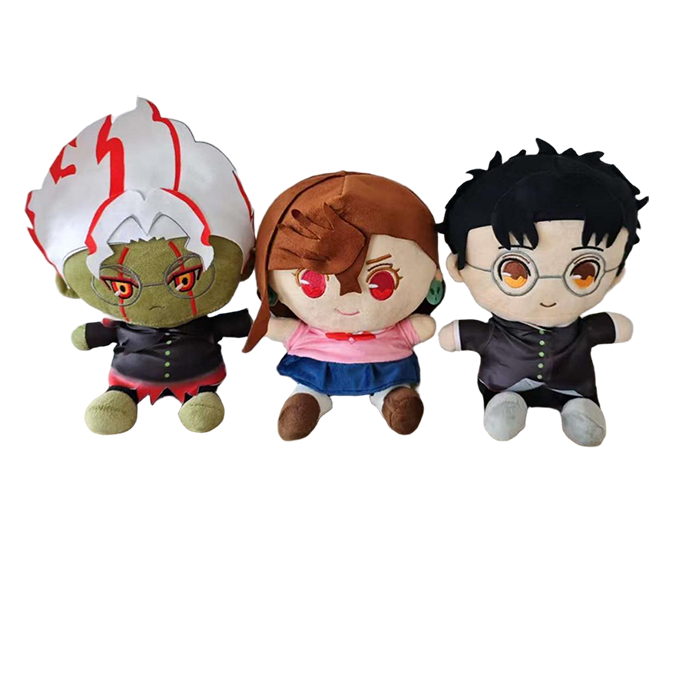
The gaming industry has evolved far beyond digital screens, creating a massive ecosystem of physical merchandise that connects players with their favorite characters. Among the most sought-after collectibles are giant stuffed toys based on popular game characters. These oversized plush companions represent more than just merchandise—they embody the emotional connection gamers develop with virtual worlds and characters.
The global gaming merchandise market has experienced exponential growth, with plush toys accounting for a significant portion of sales. Industry analysts project the gaming merchandise sector to reach $32 billion by 2027, with character-based plush products representing approximately 18% of this market. Giant stuffed toys, typically ranging from 40cm to 150cm in height, have emerged as premium collectibles that command higher price points and generate substantial profit margins for game developers, publishers, and merchandise partners.
The demand for game character plush toys has surged by 340% over the past five years, driven by multiple factors including the rise of indie gaming, the popularity of character-driven narratives, and the increasing crossover between gaming culture and mainstream fashion. Major gaming franchises like Pokémon, Animal Crossing, and Among Us have demonstrated the incredible commercial potential of well-designed character merchandise.
The commercial landscape for giant game character plush toys is characterized by several key players and distribution channels. Major gaming companies have established dedicated merchandise divisions, while independent manufacturers and licensed producers compete for partnerships with emerging game developers. The market operates through multiple channels:
The production of giant stuffed toys for game characters requires specialized manufacturing expertise that balances artistic accuracy, safety standards, and cost-effectiveness. Modern plush manufacturing has evolved to accommodate the complex designs found in video game characters, from intricate color patterns to unique shapes and proportions that may not conform to traditional stuffed toy designs.
Advanced manufacturing facilities now employ 3D modeling software to translate digital game assets into physical plush patterns. This technology ensures that giant stuffed toys maintain character accuracy while accounting for the physical properties of fabric and stuffing materials. The process involves multiple stages of prototyping, with samples reviewed by game developers to ensure brand consistency and character authenticity.
Giant game character plush toys serve as premium collectibles for dedicated fans. Limited edition releases often sell out within hours, creating secondary markets where rare items appreciate in value. Collectors seek giant versions of iconic characters, with some pieces becoming investment-grade collectibles worth thousands of dollars.
Esports arenas, gaming cafes, and entertainment centers use giant stuffed game characters as atmospheric decor and photo opportunities. These oversized plush installations create immersive environments that enhance the gaming experience and generate social media engagement through user-generated content.
Game developers utilize giant plush toys as promotional tools during launch campaigns. These eye-catching merchandise pieces serve as contest prizes, influencer gifts, and trade show attractions that generate buzz and media coverage for new game releases.
Beyond entertainment, giant game character plush toys have found applications in therapeutic settings, particularly for children and young adults. Familiar gaming characters provide comfort and can be integrated into educational programs that leverage gaming culture to engage students.
Several transformative trends are reshaping the giant stuffed toys market for game characters:
Recent consumer research reveals that 67% of gamers aged 18-34 have purchased game-related merchandise within the past year, with plush toys ranking as the second most popular category after apparel. The average purchase price for giant game character plush toys ranges from $45 to $150, with limited editions commanding prices exceeding $300. Female gamers represent 52% of plush toy purchasers, challenging traditional assumptions about gaming merchandise demographics.
Producing giant stuffed toys for game characters presents unique manufacturing challenges that require innovative solutions. Character designs created for digital environments often feature proportions, colors, and details that are difficult to replicate in physical form. Sharp angles, floating elements, and transparent components must be reimagined while maintaining character recognition.
Quality control becomes increasingly critical with larger plush toys, as structural integrity must be maintained across greater dimensions. Advanced manufacturing facilities employ reinforced stitching techniques, internal support structures, and high-density stuffing materials that prevent sagging and maintain shape over time. Safety certifications including CE, CPC, and ASTM F963 compliance ensure products meet international standards for materials, construction, and age-appropriateness.
The giant game character plush market operates within a complex licensing ecosystem. Game developers and publishers carefully control merchandise rights, establishing partnerships with manufacturers who demonstrate quality standards and brand understanding. Licensing agreements typically include approval processes for designs, minimum quality requirements, and territorial distribution restrictions.
Successful merchandise partnerships require manufacturers to understand gaming culture, character lore, and community expectations. Attention to detail—from accurate color matching to proper proportions—can determine whether a plush toy becomes a beloved collectible or a disappointing approximation. Manufacturers who invest in understanding source material and maintaining close communication with licensors build reputations that lead to ongoing partnerships and exclusive opportunities.
The future of giant stuffed toys in game character merchandise appears exceptionally promising, driven by several converging factors. The continued growth of gaming as mainstream entertainment, the increasing sophistication of character design in games, and the proven consumer appetite for physical representations of digital characters create a robust foundation for market expansion.
Emerging technologies will transform how giant plush toys are designed, manufactured, and experienced. 3D printing technology is beginning to influence prototyping processes, enabling rapid iteration and reducing development timelines. Advanced fabric technologies incorporating temperature-responsive materials, scent encapsulation, and texture variations will create more immersive tactile experiences that complement visual accuracy.
Game developers seeking to maximize merchandise revenue should consider several strategic approaches:
As environmental consciousness increases among consumers, particularly younger demographics that represent core gaming audiences, sustainable manufacturing practices have become competitive differentiators. Forward-thinking manufacturers are implementing comprehensive sustainability programs that address material sourcing, production processes, and end-of-life considerations.
Recycled polyester fiber derived from post-consumer plastic bottles now provides high-quality stuffing alternatives that reduce environmental impact without compromising softness or durability. Organic cotton fabrics certified by organizations like GOTS (Global Organic Textile Standard) appeal to environmentally conscious consumers willing to pay premium prices for sustainable products. Some manufacturers have introduced take-back programs that recycle old plush toys into new products, creating circular economy models that resonate with sustainability-focused consumers.
Companies achieving market leadership in game character merchandise demonstrate consistent excellence across multiple dimensions: exceptional design accuracy, reliable quality control, flexible minimum order quantities that accommodate both major franchises and indie developers, rapid prototyping capabilities, strong intellectual property protection, and responsive customer service. These factors combine to create trusted partnerships that generate recurring business and industry reputation.
Despite the digital nature of gaming, the demand for tangible connections to favorite characters and gaming experiences continues to grow. Giant stuffed toys represent the intersection of craftsmanship, character design, and emotional connection—transforming pixels and polygons into huggable companions that occupy physical space in fans' lives.
The market for game character plush merchandise has matured into a sophisticated industry segment with professional standards, established distribution channels, and proven commercial viability. As gaming continues its trajectory toward mainstream cultural dominance, the opportunities for innovative merchandise partnerships will expand, creating new possibilities for manufacturers who understand both gaming culture and plush toy production excellence.
For game developers, merchandise represents not just ancillary revenue but a powerful tool for community building, brand reinforcement, and player engagement. For manufacturers, the gaming industry offers creative challenges, passionate consumers, and substantial commercial opportunities. The future of giant stuffed toys in game character merchandise will be shaped by those who can navigate this intersection with creativity, quality, and authentic understanding of gaming culture.
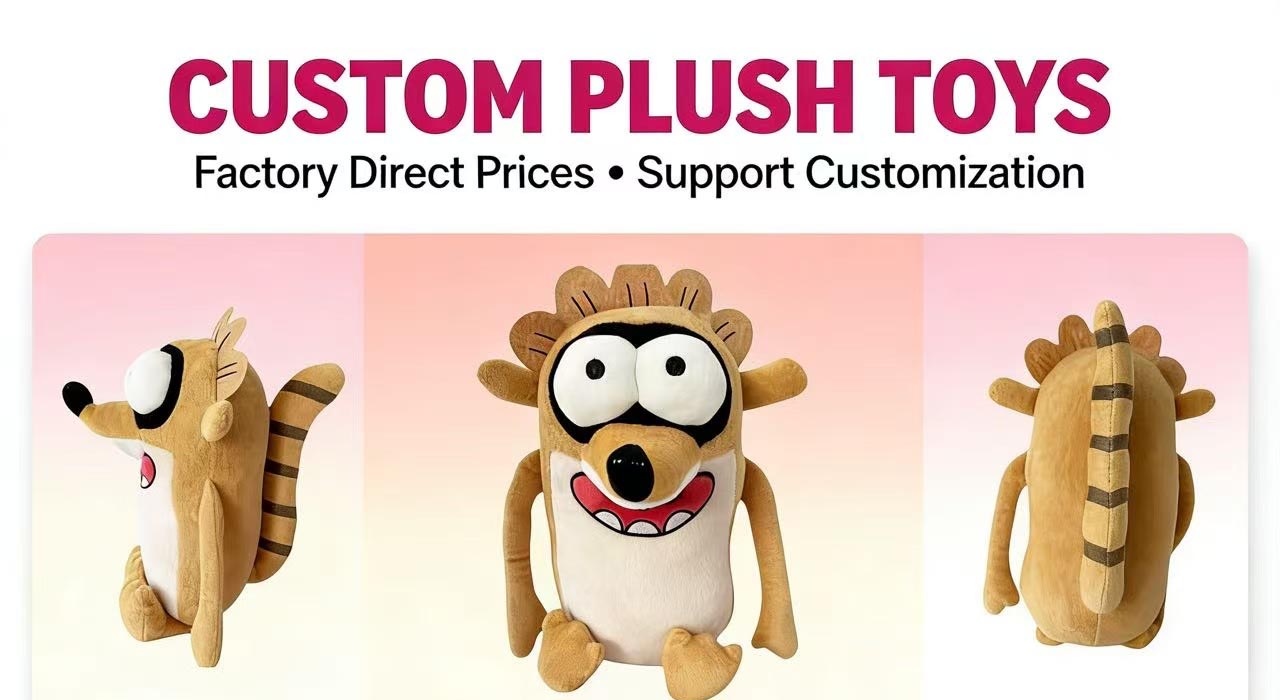
We are new-style plush toy manufacturers based in Yangzhou, China, the center of plush toy manufacturing. We has a complete OEM/ODM process and specializes in manufacturing customized stuffed toys, dolls, pillows, keychains, and slippers.
Our strength lies in making premium customization accessible - offering low MOQ from 200 pieces, rapid 5-day sampling, and CE/CPC certified quality. We serve global clients with factory-direct pricing and reliable delivery, ensuring your plush concepts become market-ready products efficiently.


 Learn More

 Read More