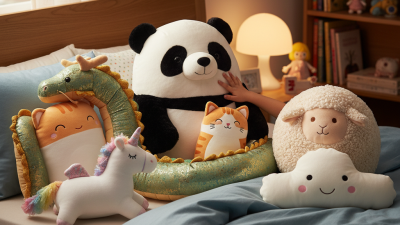
Choosing the right stuffed animal toys for kids can feel overwhelming. Expert and toy designer Sarah Thompson emphasizes the importance of selecting the right toy. "A well-chosen stuffed animal can provide comfort and lasting memories," she says. This highlights the emotional connection kids develop with these toys.
Stuffed animal toys come in various shapes, sizes, and materials. Parents should consider their child’s age and preferences when making a decision. Younger kids might prefer softer textures for safety. In contrast, older children may seek specific characters or themes. It’s essential to inspect safety labels and material quality. Some toys may have small parts that aren't suitable for younger children.
Reflecting on the variety can help narrow choices. Unsuitable stuffed animals can lead to disappointment. This guides parents to choose wisely. Observing how your child interacts with toys can also provide valuable insights. Stuffed animal toys should not just be cute. Comfort, safety, and engagement are key factors too.
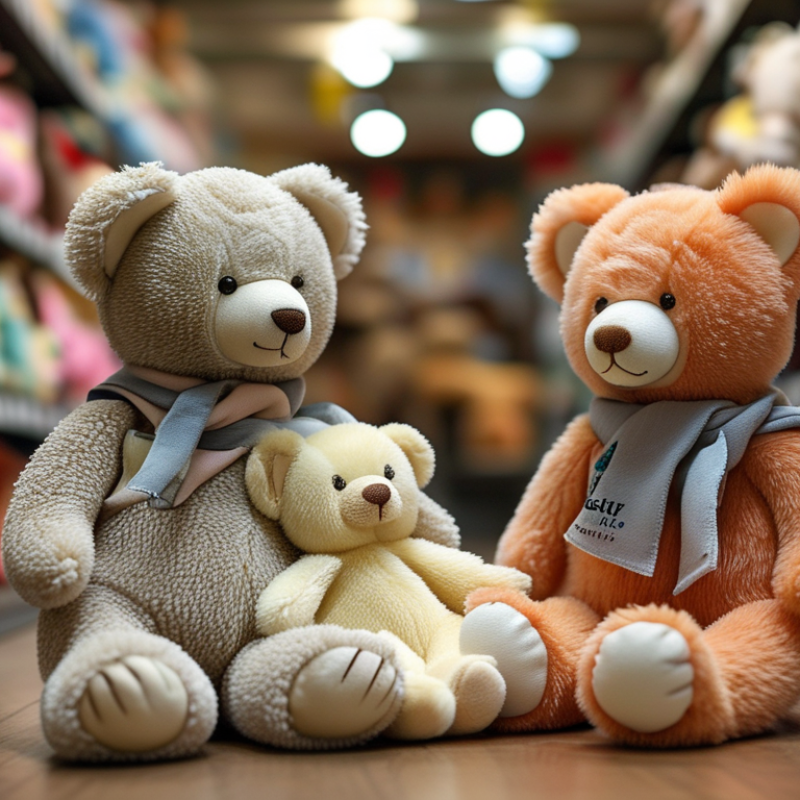
Choosing the right stuffed animal toys for kids involves several important factors. Safety should always come first. Look for toys made from non-toxic materials. Check for small parts that could be choking hazards. Soft toys should have secure eyes and noses to prevent accidental swallowing.
Consider the age of the child. Younger kids need softer, less complex designs. An overly detailed stuffed animal may overwhelm them. Think about the child’s favorite animals or characters. A familiar friend can make the toy more comforting and engaging. Don't forget to consider the size. A large stuffed animal may be harder to handle, while a small one might get lost easily.
Lastly, think about the toy's durability. Kids can be rough with their toys. Choose an option that can withstand hugs, throws, and the occasional rough play. Some toys may not hold up well over time and can become a disappointment. Be mindful of the care instructions; some stuffed animals are machine washable while others require hand washing. These simple factors can significantly enhance the play experience for kids.
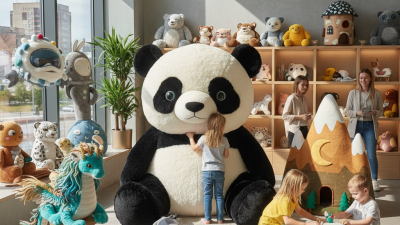
When selecting stuffed animal toys for children, age appropriateness is crucial. Babies require soft, lightweight toys without small parts. These toys should meet strict safety standards to prevent choking hazards. A toy that is too large can be difficult to handle for tiny hands. For toddlers, choosing animals with sturdy limbs and unbreakable features is essential.
Safety standards vary across regions, but many countries enforce guidelines. Look for labels indicating compliance with safety regulations. These often include non-toxic materials and stringent testing for durability. Fabrics should be hypoallergenic and washable. Regularly inspecting toys for wear and tear is a smart practice. Parents often overlook this, but a frayed seam can lead to exposure of stuffing materials.
Consider the child’s interests. The perfect toy aligns with their preferences. Not all children find comfort in plush toys. Some may prefer action figures or vehicles instead. Reflect on previous toys that received positive reactions. Remember, each child is unique, and finding the ideal stuffed animal might require a few tries. This exploration not only enhances safety choices but also enriches their play experiences.
| Age Group | Toy Size (inches) | Materials | Safety Standards | Recommended Features |
|---|---|---|---|---|
| 0-12 months | 10-12 | Organic Cotton | ASTM F963, EN71 | No small parts, machine washable |
| 1-3 years | 12-14 | Plush Fabric | CPSC, ASTM F963 | Washable, no choking hazards |
| 3-5 years | 14-18 | Polyester Fiber | CPSIA, EN71 | Interactive features, colorful designs |
| 5+ years | 18-24 | Mixed Materials | ASTM F963, ISO 8124 | Collectible, educational elements |
When selecting stuffed animal toys for kids, considering material types is crucial. Common materials include cotton, polyester, and wool. Each type influences durability and comfort. According to industry reports, 75% of parents prioritize soft, non-toxic materials. Cotton is often favored for its breathability and softness. It helps reduce allergies in sensitive children. However, it may not be the most durable option.
Polyester stuffing is lightweight and resilient. It maintains shape even after frequent washing. Studies show that polyester toys can last 30% longer than cotton ones. For long-lasting toys, polyester blends are worth considering. Yet, they may lack the same warmth as natural fibers. Some parents find this concerning, as comfort is essential for children.
Wool is another alternative, known for its natural elasticity. It resists dirt and is hypoallergenic. However, wool toys often come with a higher price tag. The trade-off between affordability and comfort can be a tough decision for parents. Despite its benefits, it requires careful maintenance. Ultimately, understanding material impacts can help parents make informed choices. Analyzing the balance between comfort, durability, and cost is essential. Each choice has its nuances, and reflection is key.
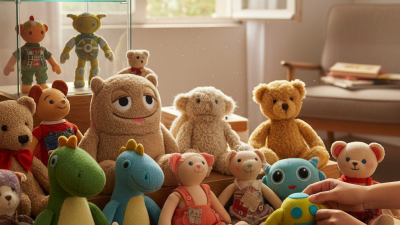
When choosing stuffed animal toys for kids, design and size play a crucial role. Children often gravitate toward characters they love. A toy that resembles a favorite dinosaur or cartoon character can spark joy. Bright colors and unique textures catch their attention as well. The more appealing the design, the more likely it will become a cherished companion.
Size matters too. A large plush may seem comforting but can dominate a small space. Conversely, a tiny toy might get lost in a sea of clutter. It’s important to consider where the child will play with the toy. For travel, smaller sizes are practical. For the bedroom, larger ones can create a sense of comfort. Balance is key.
Personal preferences can be unpredictable. Some kids may love soft, cuddly toys, while others prefer those with distinct features. Observing your child's reactions can guide your choices. Sometimes, a toy that seemed perfect may not resonate as expected. Allowing kids to express their desires can lead to a more meaningful selection process. This way, the chosen stuffed animal becomes not just a toy, but a true friend.
When it comes to stuffed animal toys, proper cleaning and maintenance are essential. These beloved toys often end up as a kid’s constant companion, collecting dirt, dust, and stubborn stains. Regular cleaning can keep them looking fresh and safe for play. Checking care labels before cleaning is advisable, as materials vary.
A simple wash is often enough. For machine-washable toys, use a gentle cycle and mild detergent. Place them in a pillowcase to prevent damage during the wash. For delicate fabrics, hand-washing with warm water is a better option. Don’t forget to rinse thoroughly to eliminate soap residue.
For maintenance, inspect stuffed animals regularly. Look for loose seams or missing eyes. Repairing small issues promptly can extend their life. If your child tends to ignore toys left in storage, try rotating them between active play and storage. This keeps the toys engaging and maintains their condition. Each stuffed animal has its unique story and charm, which should be preserved with care and thoughtfulness.